
Film History
The Celluloid Scar: How the Silent Era’s Brutal Melodramas Invented the Transgressive Cult Aesthetic
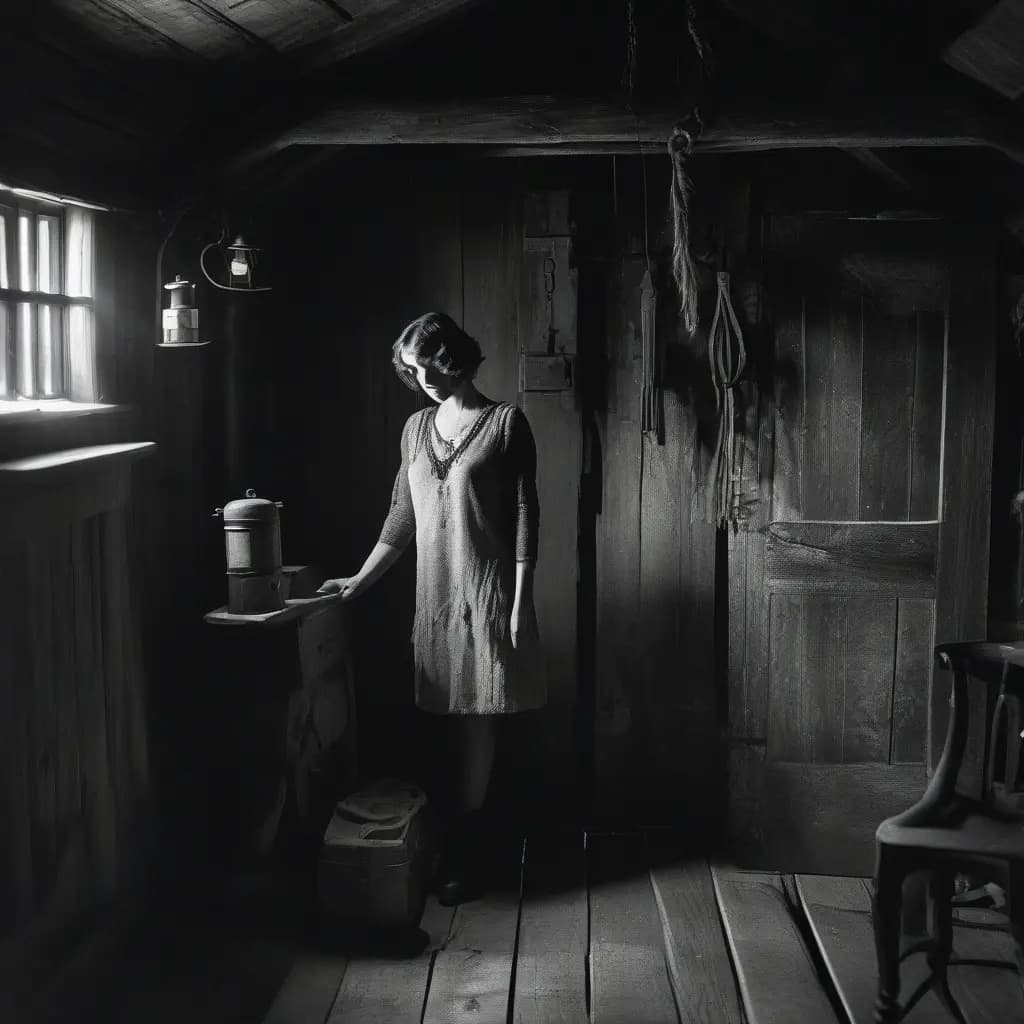
“Long before the grindhouse era, silent cinema was etching scars into the screen with tales of branding irons, obsessive kidnappings, and aristocratic rot that prefigured the modern cult obsession.”
There is a persistent, sugary myth that the silent era was a time of innocence—a period of flickering tea parties and chaste romances captured on unstable nitrate. But if you peel back the layers of the early 20th-century archives, you don’t find innocence. You find the raw, bleeding heart of the transgressive. Long before the 1970s redefined the boundaries of the 'cult' experience, the silent masters were already exploring the terrain of the extreme, the obsessive, and the deeply uncomfortable. These weren't just films; they were visual experiments in how far an audience could be pushed before they recoiled. From the literal searing of flesh to the psychological disintegration of the self, the foundations of our modern devotion to the 'fringe' were laid in the dark of the 1910s and 20s.
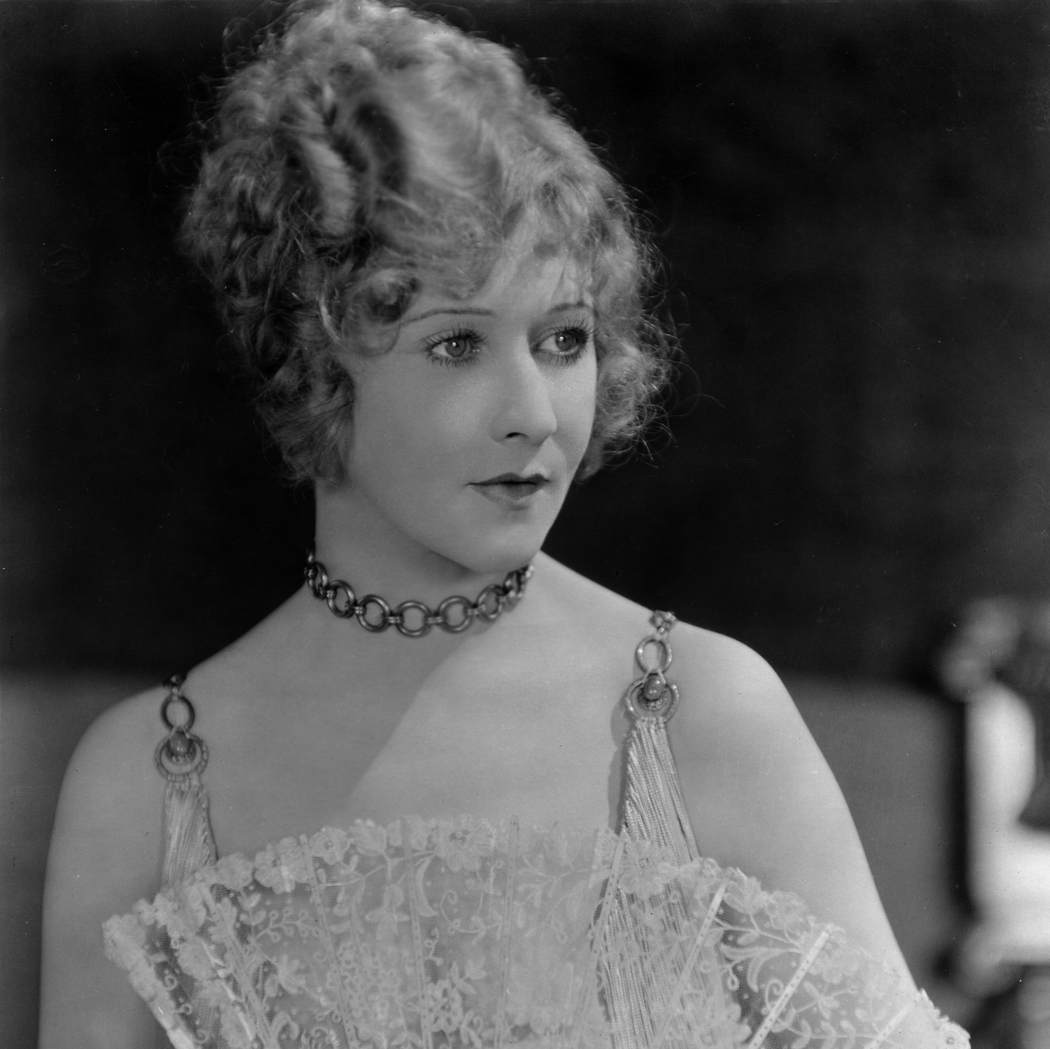
The Iron and the Flesh: Physicality as Narrative
The most visceral example of this early extremity is found in Reginald Barker’s The Branding Iron (1920). It is a film that, even by today’s standards, feels shockingly aggressive. The premise is a descent into the madness of possession: Pierre Landis, consumed by a jealous rage that borders on the pathological, uses a branding iron to mark his wife, Joan, as his literal property. This isn't the sanitized violence of a modern blockbuster; it is a slow-burn psychological horror that uses physical trauma to represent the death of the soul.
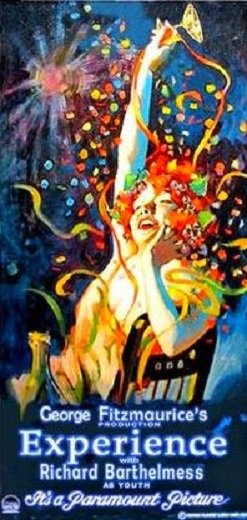
Why does this resonate with the modern cult seeker? Because it occupies that uncomfortable space between melodrama and exploitation. It dares the viewer to look at the 'unwatchable.' When Joan is rescued by a playwright, the story doesn't simply resolve into a happy ending; it carries the weight of that scar—both the physical mark and the psychic one—throughout the narrative. This is the same DNA found in the 'body horror' of the 80s or the transgressive 'New French Extremity.' It is a cinema of the mark, where the body is the canvas for the character’s suffering.
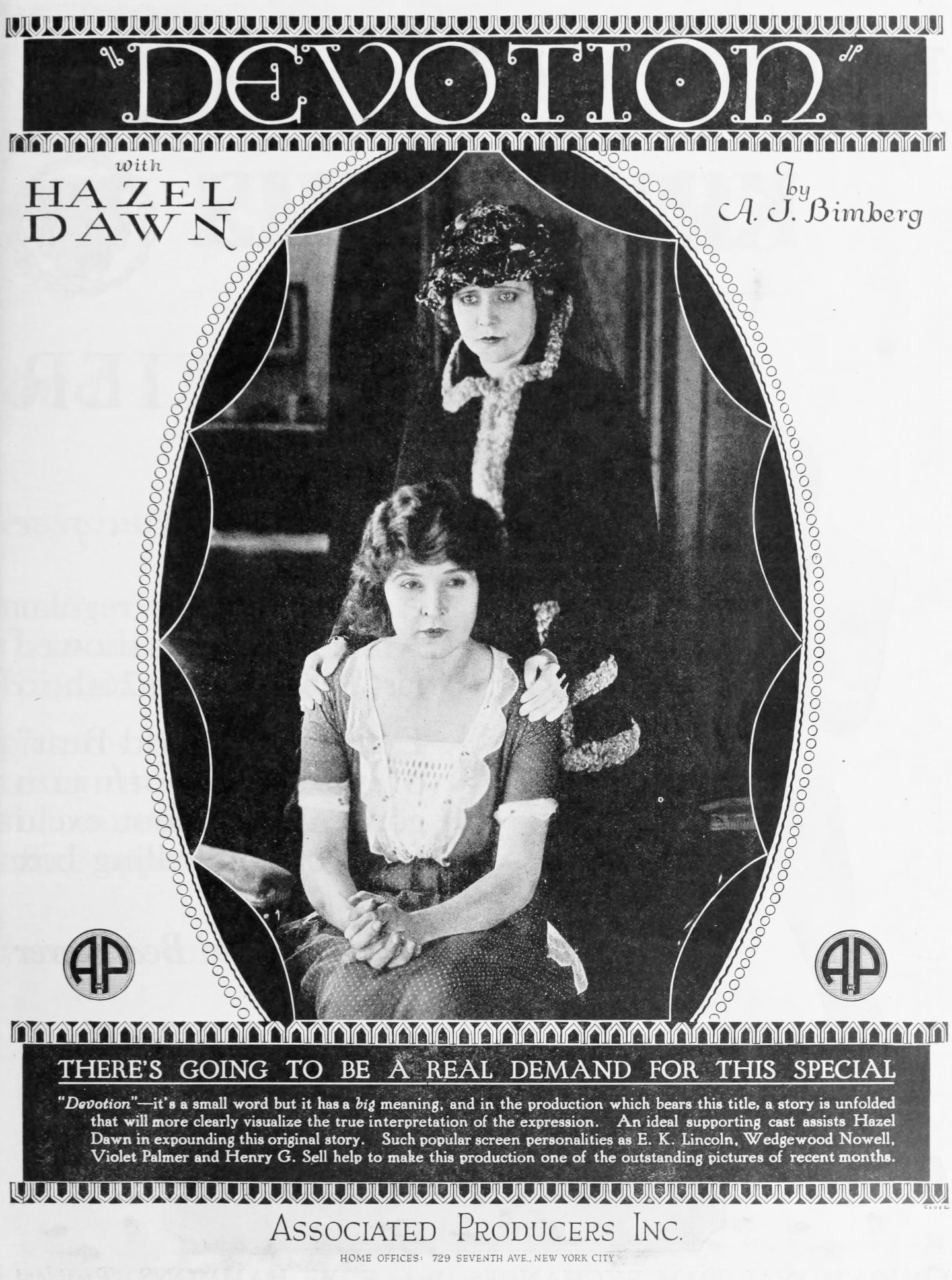
The Decadence of Decay: Von Stroheim and the Anti-Hero
If the cult aesthetic is defined by a fascination with the 'other,' then Erich von Stroheim is its patron saint. In Foolish Wives (1922), Stroheim presents a vision of aristocratic rot that feels as dirty as any back-alley noir. Playing a con artist masquerading as Russian nobility, Stroheim’s Count Sergius Karamzin is the prototype for the magnetic, repulsive anti-hero. He is a predator in a tuxedo, preying on the wife of an American diplomat in a Monte Carlo that feels less like a resort and more like a gilded cage.
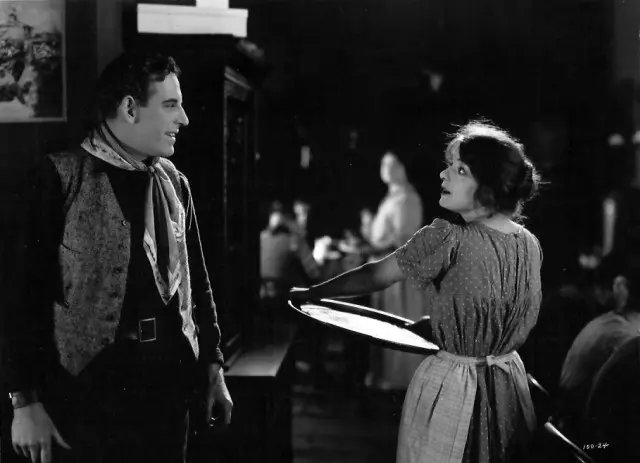
The power of the silent image lies in its silence; it forces the viewer to fill the void with their own anxieties, turning a simple melodrama into a fever dream of social and moral decay.
The obsession with detail in Foolish Wives—the extravagant sets, the agonizingly slow pacing, the unflinching look at human greed—mirrors the 'maximalist' tendencies of later cult directors like Werner Herzog or Terry Gilliam. It is a film that refuses to be ignored, demanding a level of attention that transcends mere entertainment. It is a devotional object for those who find beauty in the grotesque.
The Gothic Undercurrents and Psychological Fractures
While the American screen was exploring physical and social scars, European cinema was diving headfirst into the fractured psyche. The German production Der Andere (1913) serves as a foundational text for the psychological thriller. Long before the 'split personality' became a staple of horror cinema, this film explored the duality of man with a chilling efficiency. A man discovers his alternate self is aiding a criminal to rob his own home—a premise that predates the high-concept genre benders of the modern era.
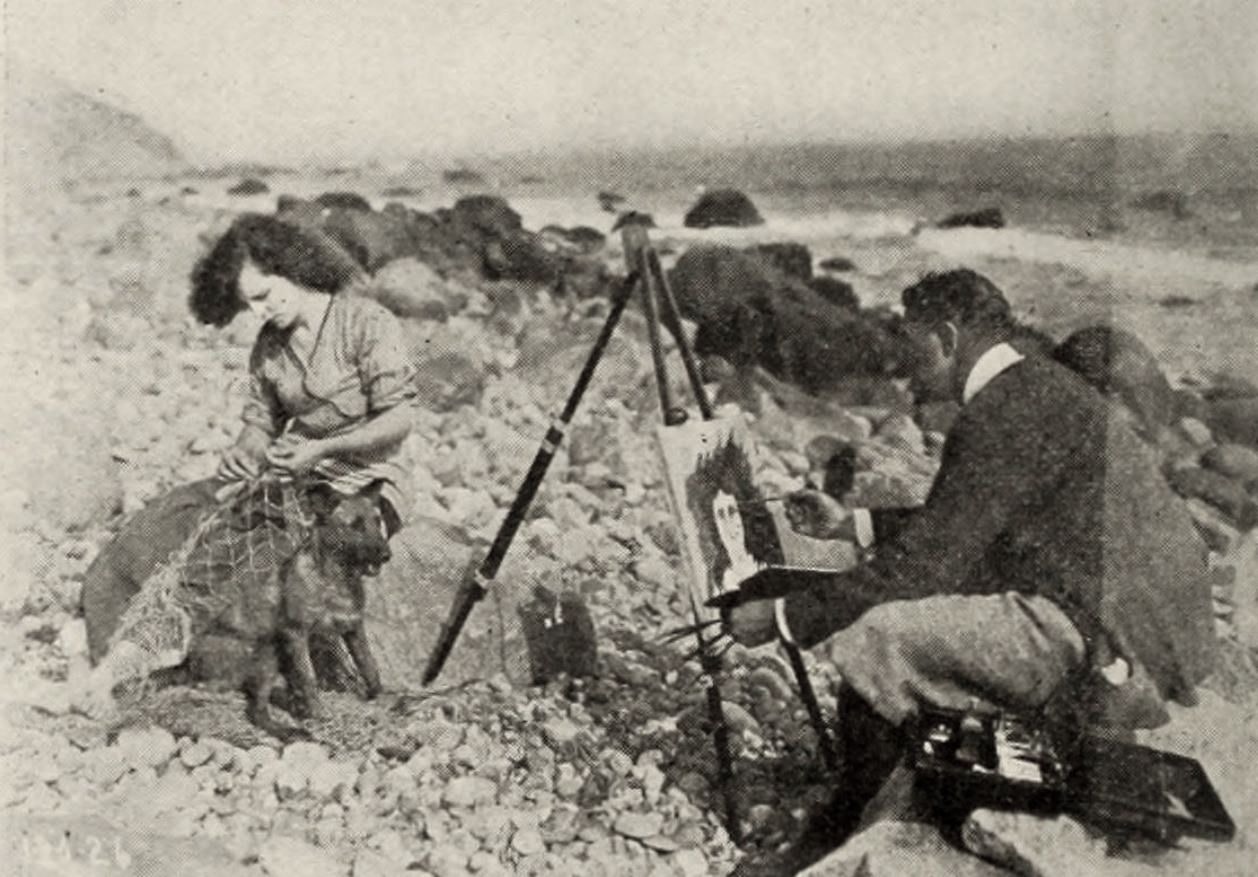
This fascination with the 'shadow self' is a recurring theme in films that gain a following on the fringes. We see it in the surrealist kidnapping of Champagne Caprice (1919), where a Gypsy violinist’s obsessive love leads to a narrative that feels more like a dark fairytale than a standard romance. These films weren't afraid of the irrational. They embraced the 'logic of the dream,' a quality that would later define the works of David Lynch or Alejandro Jodorowsky.
The Pulp and the Profane
It wasn't all high-art psychological trauma, though. The roots of the cult experience are also buried deep in the pulp. Consider The Eternal Sin (1917), a Lucretia Borgia tale that leans heavily into the conspiratorial and the murderous. It’s a film that understands the audience’s hunger for the forbidden. Or The Hound of the Baskervilles, which brought the fog-drenched gothic dread of Arthur Conan Doyle to the screen with an atmosphere that modern directors still struggle to replicate.
- The use of high-contrast lighting to create a sense of impending doom.
- The focus on 'outsider' characters who operate outside the bounds of polite society.
- The willingness to explore themes of incest, madness, and unrequited obsession.
- The elevation of the 'villain' to a position of complex, albeit terrifying, humanity.
The Social Taboo as Spectacle
Perhaps the most overlooked aspect of early cinema’s 'cult' DNA is its engagement with social taboos. The Price of Silence (1917) tackled the misery of child labor, using the medium of the 'cautionary tale' to showcase the darker corners of the industrial world. While ostensibly moralistic, these films often lingered on the suffering with a voyeuristic intensity that prefigured the 'social problem' films of the 70s.
In The Branded Woman (1920), we see the exploration of the 'ill-savory past' and the mechanics of blackmail. These stories weren't just about plot; they were about the weight of secrets. The cult audience has always been drawn to the 'unseen' history—the idea that beneath the surface of a character (or a society) lies something dark and rotting. This thematic thread connects the silent era directly to the grit of the New Hollywood era.
The Audience of the Fringe: Why We Still Watch
Why do we return to these flickering, damaged reels? It isn't just for a history lesson. It’s because the silent era captured a form of emotional extremity that sound cinema often dilutes. Without the crutch of dialogue, every gesture in The Testing Block or the desperation in The Discarded Woman is amplified. The silence acts as a magnifying glass for the human condition at its most frayed.
The modern cult viewer is often someone looking for an authentic experience in a world of polished, focus-grouped content. There is nothing focus-grouped about the raw jealousy of The Branding Iron or the surreal comedy of Pussyfoot. These films were made in a wild-west era of production where the rules were being written in real-time. That sense of lawlessness—the feeling that anything could happen on screen—is the very essence of the cult experience.
The Eternal Flicker
As we look back at the 'scars' left by the silent era, we realize that the line between 'high art' and 'exploitation' has always been a blur. The films that we now consider foundational to the cult canon were often the outcasts of their time—dismissed as too violent, too strange, or too bleak. But it is precisely that 'too much-ness' that ensures their survival. Like the brand on Joan Landis’s shoulder, these films have marked the history of cinema permanently. They remind us that the screen has always been a place for our most dangerous obsessions to play out in the dark, silent and screaming all at once.
Community
Comments
Log in to comment.
Loading comments…