
Deep Dive
The Unseen Tremor: Decoding How Silent Cinema's Psychological Depths Forged the Cult of the Unsettling
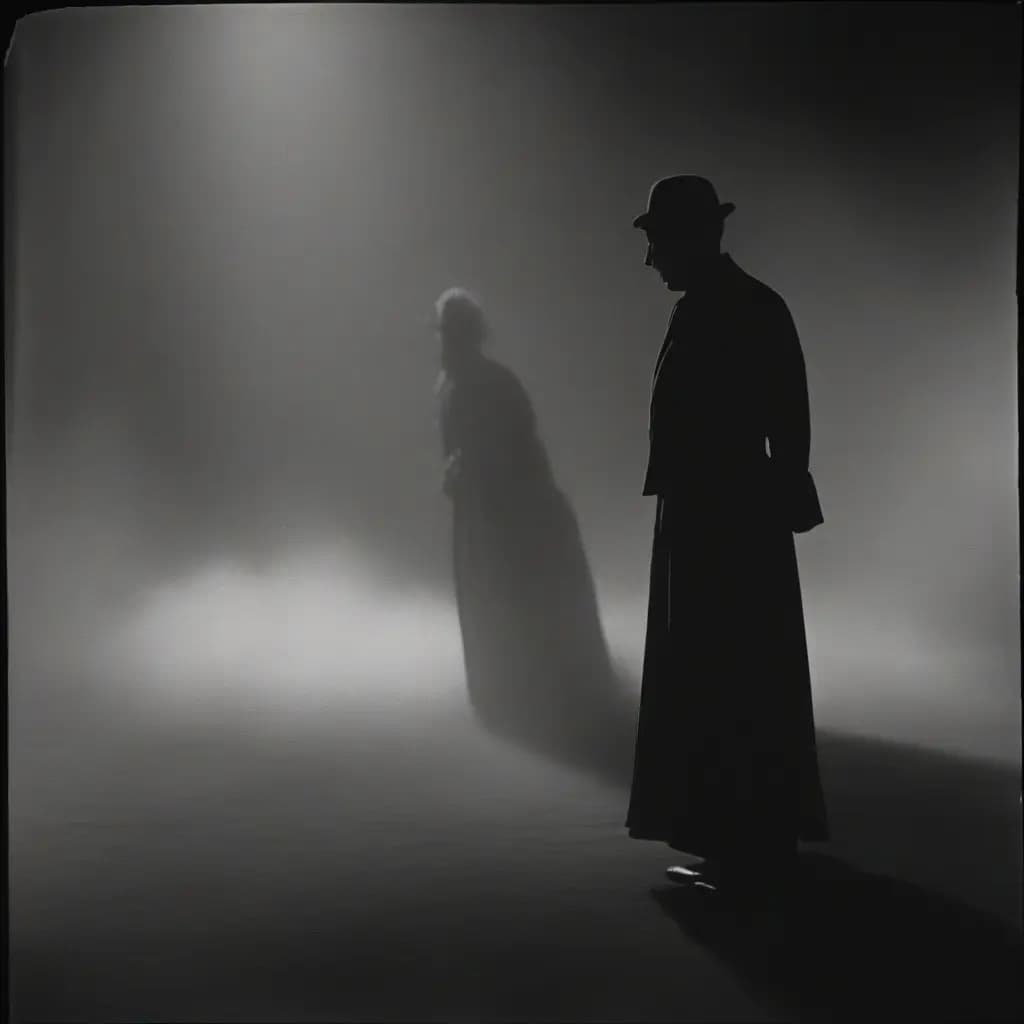
“Long before midnight screenings and VHS discoveries, silent cinema quietly laid the psychological groundwork for what we now understand as cult film. This deep dive unearths the unsettling narratives and transgressive characters that first dared to explore the darker corners of the human psyche on s…”
We often speak of cult cinema as a distinctly modern phenomenon, a product of counter-culture movements, digital dissemination, and the communal rituals of the midnight movie circuit. Yet, to truly understand its primordial essence, its magnetic pull towards the uncomfortable, the transgressive, and the deeply strange, we must journey back to where cinema itself first learned to whisper its secrets: the silent era. Far from being a mere precursor of technical limitations and quaint melodramas, the silent screen was a crucible of raw human emotion and daring psychological exploration. It was here, in the flickering shadows and exaggerated gestures, that filmmakers first dared to plumb the depths of the human psyche, inadvertently forging an aesthetic of discomfort and a narrative of unsettling truth that would resonate through the decades, laying the invisible groundwork for the cult films we obsess over today. The tremor was subtle, often misunderstood, but undeniably present – a primal vibration that spoke not just to the eyes, but directly to the gut, hinting at the profound unease lurking beneath the veneer of societal order.
This isn't about celebrating forgotten gems for their historical value alone, but about recognizing their profound, often overlooked, influence on the very DNA of cinematic subversion. These early visions, stripped of dialogue, relied on visual storytelling and the raw power of performance to convey complex internal states, creating a unique language of psychological dread and moral ambiguity. They were, in essence, the first true cinematic provocateurs, artists who understood that the most compelling stories were those that challenged, disturbed, and lingered long after the projector lamp cooled.
The Birth of Cinematic Discomfort: Early Explorations of the Human Psyche
Before sound tethered actors to dialogue and narrative structure became rigidly codified, silent cinema possessed a peculiar freedom. Filmmakers, often working with nascent technologies and an audience hungry for spectacle, found themselves unburdened by conventional expectations. This led to a surprising willingness to explore themes of internal conflict, obsession, and moral decay with a starkness that often feels more modern than many films from later eras. The absence of spoken words forced a reliance on visual cues – the close-up, the dramatic lighting, the actor's nuanced facial expression – to convey profound psychological states, fostering an intimate, almost voyeuristic connection with characters teetering on the edge.
Consider A Fool There Was (1915), a film that, on its surface, appears to be a morality tale. Yet, it plunges into the psychological ruin of a married diplomat, John Schuyler, who falls under the hypnotic sway of a predatory woman, famously dubbed 'The Vamp.' The film, starring the mesmerizing Theda Bara, isn't merely about infidelity; it's a chilling dissection of obsession, addiction, and the slow, agonizing erosion of a man's will. Bara’s performance, with her heavy-lidded gaze and languid movements, embodies a silent, destructive power that goes beyond simple seduction. She doesn't just tempt; she consumes, leaving behind a shell of a man. The film's enduring phrase, "Kiss me, my fool!" became an instant cultural touchstone, not just for its audacity, but for its implicit understanding of the psychological hold one person can have over another, a theme that would become a cornerstone of many future cult narratives.
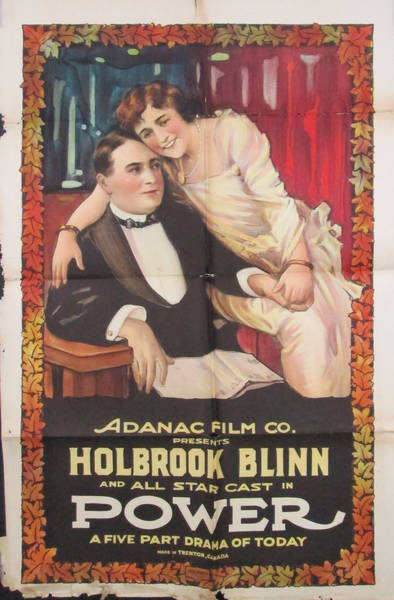
This focus on internal turmoil, often depicted through symbolic imagery and expressionistic techniques, created a sense of unease that transcended simple plot points. It invited audiences to grapple with the disturbing implications of human nature, a direct ancestor to the psychological horror and transgressive dramas that would later define the cult landscape. The discomfort wasn't just external; it seeped into the viewer's own perceptions, challenging their understanding of morality and sanity.
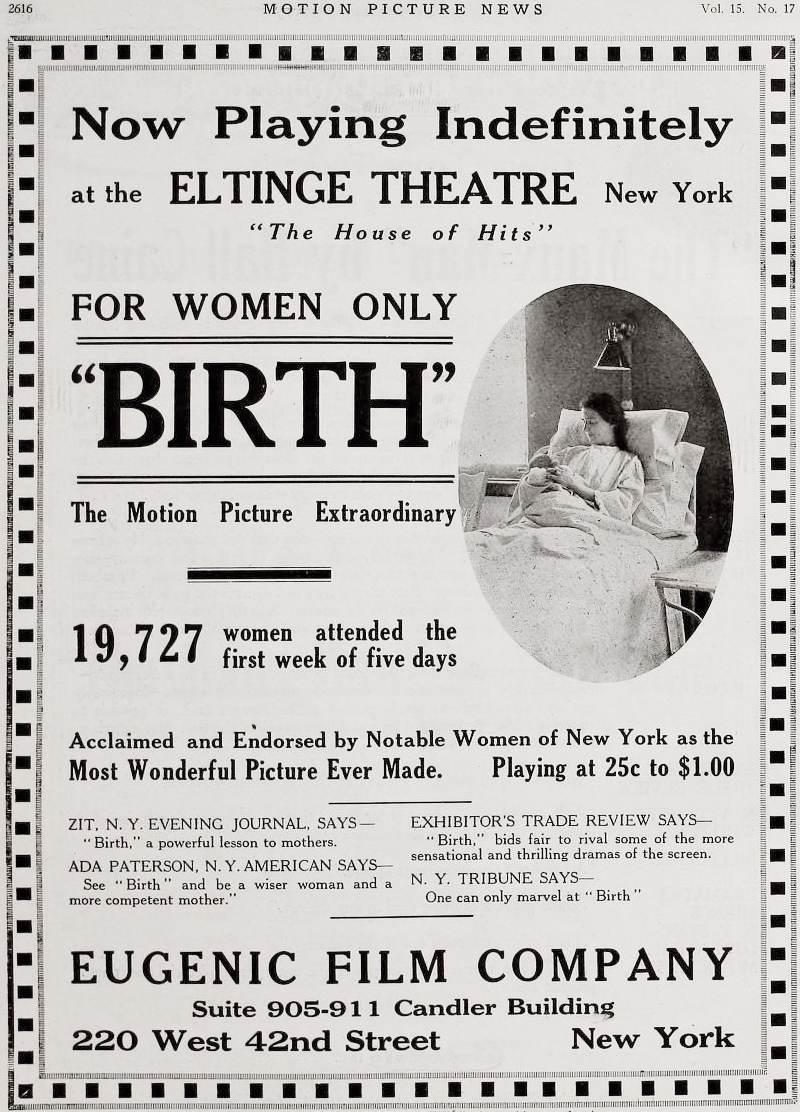
Shadows of Madness and Obsession: The Psychological Horror Precursors
The silent era, particularly its later years, saw a blossoming of films that directly tackled themes of madness, revenge, and psychological torment, effectively laying the groundwork for what we now recognize as psychological horror. These weren't jump-scare fests; they were slow burns, meticulously crafting atmospheres of dread and paranoia through visual composition and the sheer intensity of performance. The camera became a tool for probing fractured minds, revealing the internal landscapes of characters driven by dark impulses.
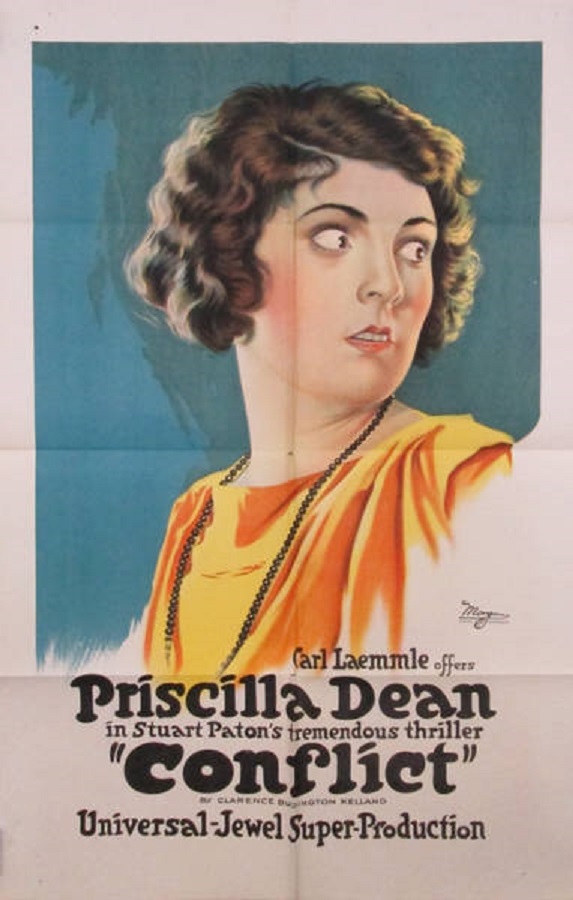
Take The Testing of Mildred Vane (1918), a lesser-known but potent example of this trend. Here, a doctor, Dr. Miguel Hernandez, driven by a twisted belief that the dead can be tormented through their surviving loved ones, seeks revenge against a woman who scorned him. His method: psychological manipulation of her husband. This film delves into a chilling form of mental cruelty, where the horror isn't supernatural but deeply human, rooted in obsession and a desire to inflict emotional pain. It's a precursor to the psychological thrillers that would later captivate audiences, demonstrating that true terror often lies in the malevolent intentions of another person, and the fragility of the mind under duress.
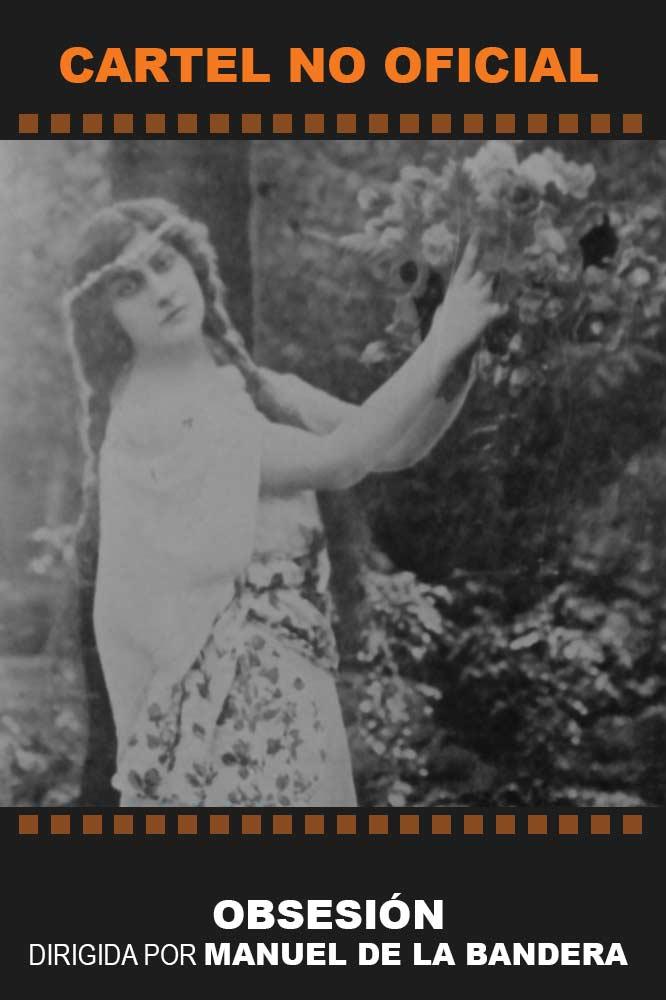
Another fascinating entry is While Paris Sleeps (1923), a grim drama that veers into the macabre. A sculptor, unrequited in his love for his model, conspires with a wax museum owner to eliminate his rival. The film explores themes of artistic obsession, jealousy, and the grotesque, blurring the lines between art and death. The silent medium's ability to create eerie, dreamlike sequences, often amplified by stark lighting and distorted sets (an influence from German Expressionism, which itself birthed many proto-cult sensibilities), made these psychological journeys particularly potent. The silent screen could externalize inner turmoil with a visual poetry that sound cinema sometimes struggled to replicate, creating a visceral, unsettling experience that spoke to primal fears.
The Chains of the Mind: Internal Confinement
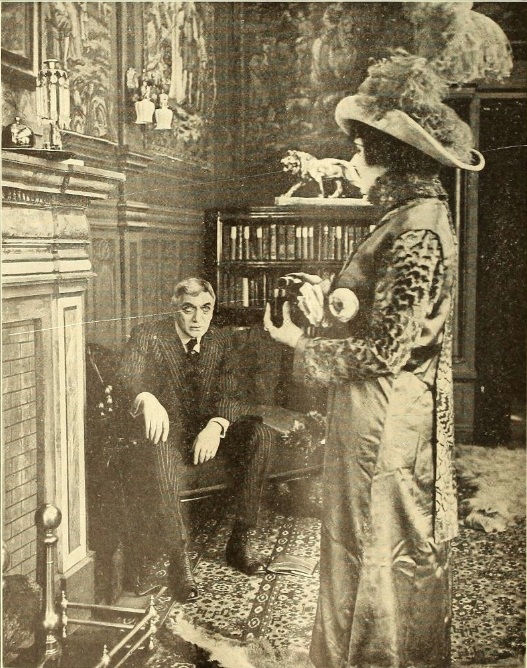
Beyond external threats, silent cinema also explored the horrors of internal confinement. The Star Rover (1920), based on Jack London's novel, offers a compelling example. A prisoner, confined to a straitjacket, transcends his physical limitations through mental projection, journeying through time and space. While not horror in the traditional sense, it's a profound exploration of the mind's power to escape, to create its own realities, and the existential dread of being trapped within one's own consciousness. This kind of abstract, philosophical exploration, presented through striking visuals, appealed to a different kind of audience – one drawn to intellectual and emotional challenge, a hallmark of cult viewership.
"The silent film, often dismissed as simplistic, was in fact a canvas for the most audacious psychological experiments, laying bare the raw nerves of human experience long before anyone spoke of 'existential dread' on screen."
The Female Gaze and the Fractured Mind: Women on the Brink
The portrayal of women in silent cinema, particularly those navigating complex moral landscapes or experiencing profound psychological distress, further cemented the era's proto-cult appeal. These weren't always heroines; often, they were figures of tragedy, defiance, or quiet desperation, their inner lives rendered with a compelling intensity that resonated deeply with audiences. The societal constraints of the time often pushed these female characters to the brink, making their psychological journeys all the more potent and, at times, unsettling.
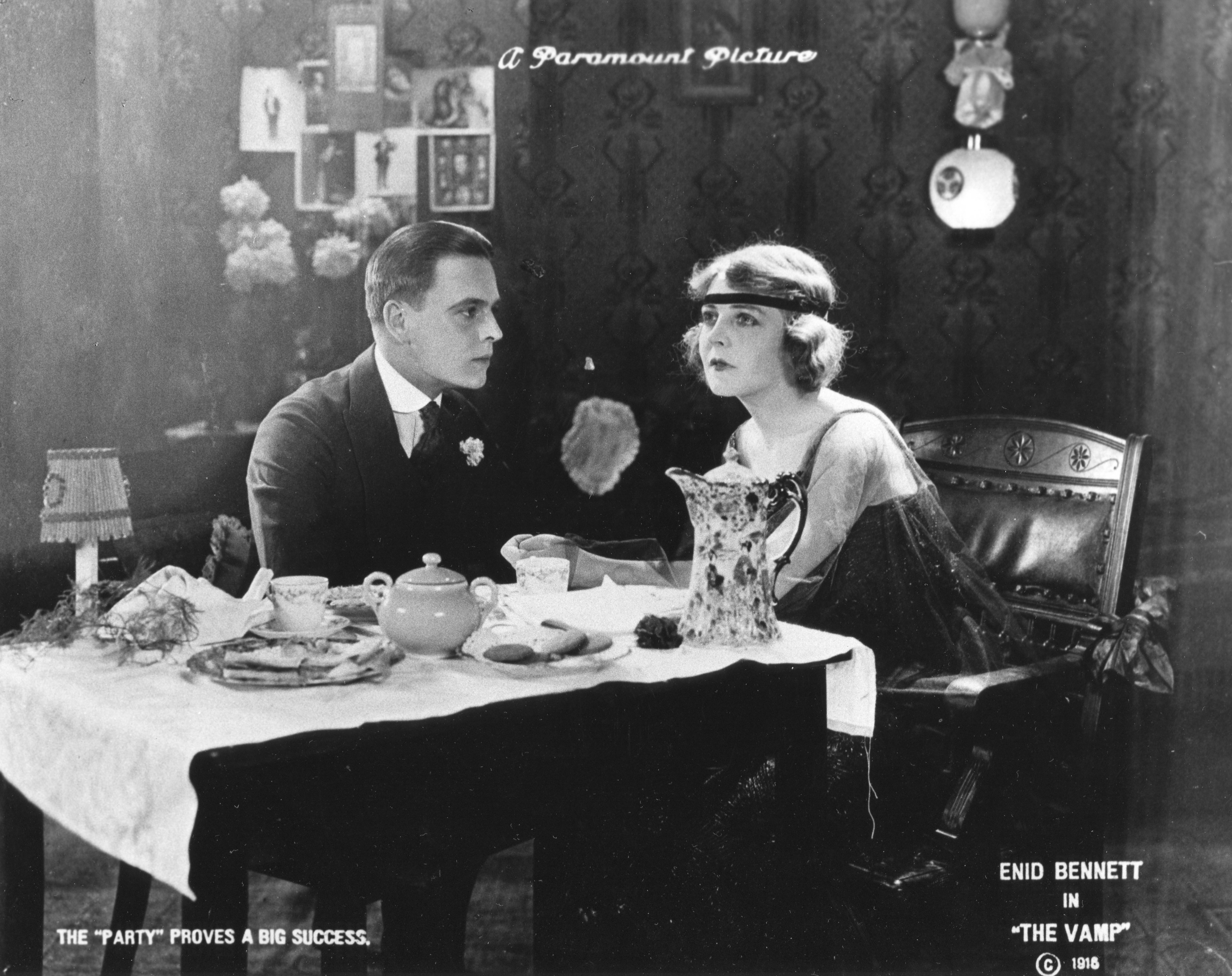
Consider The Galley Slave (1915). Francesca Brabaut, who marries an artist against her father's wishes, finds herself regretting her decision as her indebted husband sends her to his misanthropic uncle for money. The film is a study in regret, desperation, and the crushing weight of circumstance. Francesca's internal struggle, her silent pleas and growing despair, are conveyed through powerful acting that transcends the absence of dialogue. It’s a narrative that explores the psychological toll of bad choices and difficult lives, a poignant and often dark reflection of societal expectations placed upon women, and their often limited avenues for escape. This unvarnished look at a woman's suffering, without easy answers or happy endings, speaks to a certain segment of the audience that seeks out cinema for its unflinching portrayal of reality, however grim.
Even films centered on seemingly more conventional romantic drama often had a psychological edge. In Yesterday's Wife (1923), a couple's argument leads to divorce, only for them to meet years later. While ostensibly a comedy-romance, the film implicitly deals with the lingering psychological scars of a broken relationship, the regrets, and the 'what-ifs.' The silent screen, with its emphasis on visual cues, could convey these unspoken emotional complexities with remarkable subtlety, allowing viewers to project their own experiences onto the characters' silent struggles.
Taboo and Transgression: Pushing the Envelope Before the Code
The era before the strict enforcement of the Hays Code (which began to truly bite in the early 1930s) was a wild frontier for cinematic subject matter. Silent films, particularly those from the late 1910s and 1920s, frequently delved into themes considered daring, scandalous, or downright taboo for their time. This freedom allowed for a frankness in depicting moral compromise, urban decay, and illicit desires that would be severely curtailed just a few years later. It was in this environment that narratives of transgression found their most fertile ground, attracting an audience drawn to the forbidden and the provocative.
Films like Dope (1917), though details are scarce now, hint at the era's willingness to tackle subjects like drug addiction – a grim reality often sensationalized but also explored with a certain social consciousness. These films didn't shy away from depicting the seedy underbelly of society, the consequences of vice, or the allure of forbidden pleasures. Sins of Great Cities (1918) also speaks to this trend, its title alone promising a dive into urban moral corruption and questionable characters. These weren't subtle allegories; they were often direct portrayals of the "wickedness" lurking beneath the surface of modern life, appealing to a public fascinated by the dark side of humanity.
The transgression wasn't always overtly sexual or criminal; sometimes, it was an intellectual or artistic defiance. Dadaist films like René Clair's Entr'acte (1924) shattered narrative conventions with gleeful abandon, presenting a surrealist landscape of absurdity and chaos. While perhaps not 'unsettling' in the traditional sense, its radical departure from conventional storytelling was deeply disorienting for audiences, forcing them to confront the very nature of cinematic perception. This kind of avant-garde experimentation, a deliberate act of subversion, is a direct antecedent to the more esoteric and challenging cult films that thrive on pushing artistic boundaries and confounding expectations.
The Enduring Echoes: Why These Silent Tremors Still Resonate
The silent era's ventures into psychological depth and taboo-breaking narratives weren't isolated incidents; they were formative experiences that shaped the cinematic language of disruption. These films, often operating on the fringes of mainstream acceptance, created a visual vocabulary for expressing internal states of turmoil, obsession, and madness that would be refined and reinterpreted by subsequent generations of filmmakers. They taught cinema how to disturb, how to provoke, and how to create a lasting impression that transcends simple entertainment.
The psychological intensity of a film like A Fool There Was, with its depiction of a man's complete psychological subjugation, finds echoes in later film noir femme fatales and the destructive relationships explored in films like Basic Instinct or even the manipulative dynamics of Fatal Attraction. The exploration of revenge and mental torment in The Testing of Mildred Vane foreshadows the intricate psychological warfare seen in thrillers like Oldboy or The Silence of the Lambs. Even the surrealist leanings of Entr'acte can be seen as a direct precursor to the mind-bending narratives of David Lynch or the experimental spirit of underground cinema.
What these silent films offered was a blueprint for the unsettling. They proved that cinema didn't need dialogue to convey complex psychological states or to challenge moral norms. In fact, the very silence often amplified the internal struggles, forcing audiences to confront the raw emotion and disquieting implications without the comfort of explanatory words. This reliance on visual storytelling, on the power of suggestion and atmosphere, created a more immersive and, at times, more disturbing experience. It nurtured an audience that appreciated cinema not just for its stories, but for its capacity to explore the darker, more uncomfortable truths of human existence.
The Legacy of Unspoken Truths
The legacy of these silent tremors isn't just about specific films, but about a fundamental shift in cinematic ambition. They established that film could be more than mere entertainment; it could be a mirror reflecting our deepest fears, our most troubling desires, and our most profound anxieties. They cultivated a taste for the unconventional, the psychologically complex, and the visually daring – precisely the qualities that define cult cinema. The passionate devotion to these films today, even a century later, is a testament to their enduring power to disturb, to fascinate, and to reveal the hidden corners of the human heart.
So, the next time you settle in for a midnight screening of a modern cult classic, take a moment to consider the spectral figures of the silent era. They were the original architects of cinematic discomfort, the pioneers who first understood that the most profound and lasting impact often comes not from what is said, but from what is felt, from the unseen tremor that rattles the soul. Their daring explorations into the human psyche, their willingness to confront taboos, and their mastery of visual storytelling created a powerful, unsettling legacy that continues to resonate, proving that the cult of the unsettling was born not with a bang, but with a silent, haunting scream.
Community
Comments
Log in to comment.
Loading comments…