
DbcultAccessing Vault...
Director's Spotlight
Senior Film Conservator
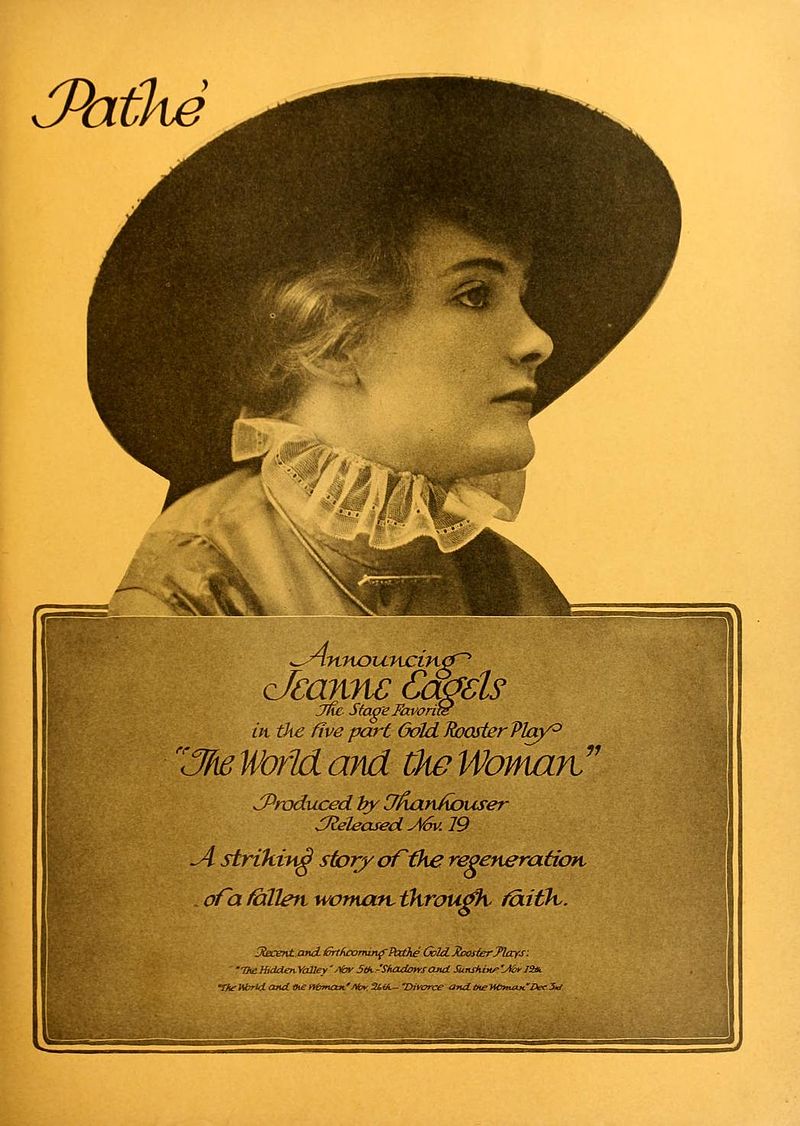
Director's Spotlight: United States
A Deep Dive into the 1916 Vision of Frank Lloyd
The 1916 release of The World and the Woman marked a significant moment for the enduring legacy of Frank Lloyd's artistic contribution to the genre. By challenging the status quo of 1916 cinema, it has cemented its place in the global cult cinema archive.
In The World and the Woman, Frank Lloyd pushes the boundaries of conventional narrative. The film's unique approach to its subject matter has sparked endless debates and interpretations among cinephiles and critics alike.
In this work, Frank Lloyd explores the intersection of cult and United States cultural identity. The meticulous attention to detail suggests a deep-seated commitment to pushing the boundaries of the medium, ensuring that The World and the Woman remains a relevant topic of study for cult enthusiasts.
| Cinematography | Handheld |
| Soundtrack | Experimental |
| Editing | Elliptical |
| Art Direction | Expressionist |
Visualizing the convergence of Frank Lloyd's style and the core cult narrative.
A gay dinner party took place in one of Broadway's showiest restaurants. The host was a bachelor of wealth, and his guests included men of his own station in life, and young girls caught in the whirl of gaiety. The bachelor told the young girls that the keeper of his mountain lodge had advised him by letter that she requires the services of a maid, and he offered the proposition to the girls, but they refused. A face then appeared at the window of the restaurant. It was the face of a woman who had been cast aside. The girls told their host to offer the job to her. Being in a mood to take the advice, he hurried from the restaurant, overtook the derelict, and brought her back with him. The woman was starving and accepted the position in the mountain. Her past life was recalled to her that very night, for one of the guests in the restaurant was the man who had made her what she was. In the Adirondack Mountains the woman found life quiet, but a chance acquaintanceship with a family in the valley marked another change in her life. The family (a man, his wife, and their little daughter) took a liking to the maid and induced her to attend services at the village church. The weeks passed, and then the owner of the lodge arrived from the city with a number of his friends. instead of the forlorn outcast whom he had sent to the mountains he found an attractive woman, but one who would not listen to his advances. Angered by her attitude, her employer tried to force his intentions upon her. She then left the lodge and went to the home of the little family, where she was welcomed. Some days later the little daughter was accidentally injured. The doctor declared that her spine was broken, and despite all his efforts, the child steadily sank. The outcast prayed for Divine help, and as she prayed it seemed to her that she was told to heal the child. Strengthened and transfigured by her religious devotion, she accomplished what the doctor had failed to do. The woman's power soon became known and was as effective with other invalids as it was with her first patient, while at the mountain lodge its worldly owner laughed cynically as he thought how these respectable, narrow-minded people reverenced a woman whom they would despise if they knew her past. From the city the man came who had blighted her life. His friend at the mountain lodge had written him about the woman's new career. He came to sneer, but soon learned to respect and honor her. But one day the woman failed for the first time. A mountaineer brought his wife, a cripple for several years, to be cured. Th« owner of the lodge threatened that he would reveal the outcast's past life. Realizing that he would keep his word, the woman's great faith disappeared. While the assembled people were still discussing the failure of their idol, her former employer told them what this woman had been before she came among them, and they recoiled from her in horror, all of them except the man who had been her first enemy and had now become her friend. He asked her to marry him and she refused, going out into the world alone. The old bitterness did not return to her and she prayed for guidance. It seemed to her that she was told to make the cure which she had failed to achieve, and she set out for the mountaineer's cabin. The mountaineer's wife had been crippled by a racing automobile and that day the owner of the mountain lodge told her husband the name of the man who had driven the car. It was the man who had asked the outcast to marry him. The mountaineer decoyed the guilty man into the mountains, and there a fight took place between the two men. The man from the City was no match for the mountaineer and he was about to be hurled into the chasm when he beheld a sight which caused him to forget his vengeance forever. His wife was walking down the mountain path towards him. And with her was the healer, the woman who had failed. Realization came to him as his wife told him of the great cure, and he thanked the woman whom he had misjudged. Happiness has come to the outcast as the wife of the man who made an outcast.
Decades after its release, The World and the Woman remains a vital piece of the cinematic puzzle. Its influence can be seen in countless modern works, solidifying Frank Lloyd's status as a master of the craft in United States and beyond.