
DbcultAccessing Vault...
Director's Spotlight
Senior Film Conservator
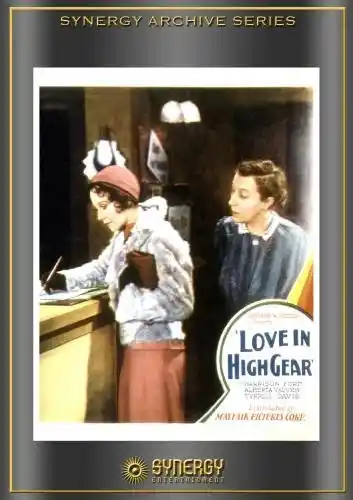
Director's Spotlight: United States
A Deep Dive into the 1932 Vision of Frank R. Strayer
Few works in United States cinema carry the same weight as Love in High Gear, especially regarding the cultural zeitgeist captured so perfectly by Frank R. Strayer in 1932. Utilizing a 1932-specific aesthetic that remains timeless, it serves as a blueprint for future generations of Comedy directors.
In Love in High Gear, Frank R. Strayer pushes the boundaries of conventional narrative. The film's unique approach to its subject matter has sparked endless debates and interpretations among cinephiles and critics alike.
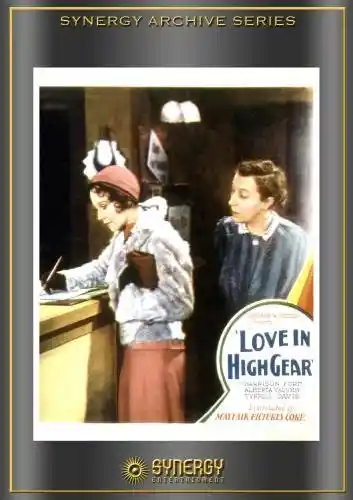
The visual language of Love in High Gear is defined by its use of shadows and framing, a hallmark of Frank R. Strayer's style. By utilizing a 1932-era palette, the film creates an immersive experience that perfectly complements its Comedy themes.
| Cinematography | Noir-Inspired |
| Soundtrack | Experimental |
| Editing | Elliptical |
| Art Direction | Expressionist |
Visualizing the convergence of Frank R. Strayer's style and the core Comedy narrative.
A young couple making plans to elope are overheard by a jewel thief, who sees a chance to turn the situation to his advantage.
Decades after its release, Love in High Gear remains a vital piece of the cinematic puzzle. Its influence can be seen in countless modern works, solidifying Frank R. Strayer's status as a master of the craft in United States and beyond.