
DbcultAccessing Vault...
Director's Spotlight
Senior Film Conservator
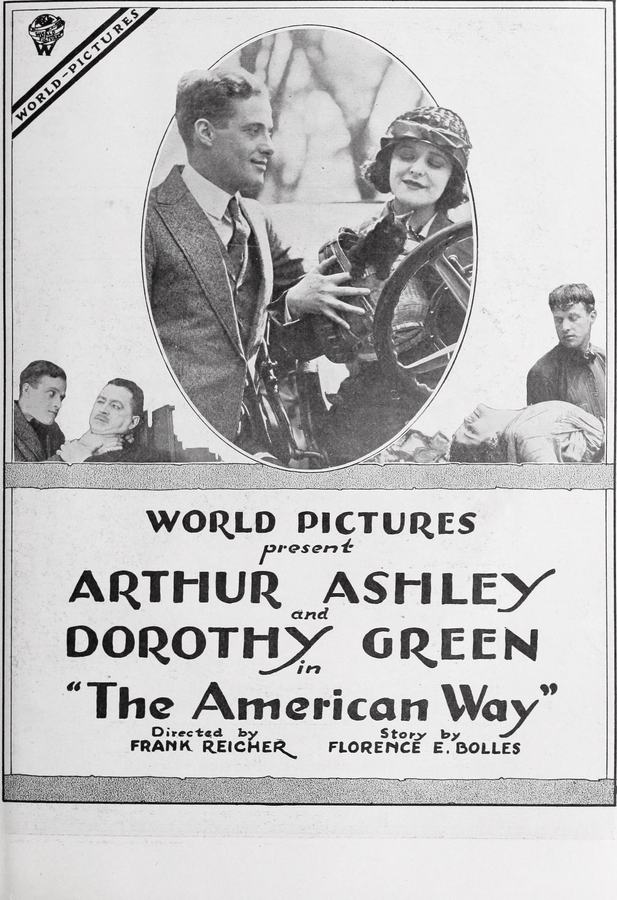
Director's Spotlight: United States
A Deep Dive into the 1919 Vision of Frank Reicher
Few works in United States cinema carry the same weight as The American Way, especially regarding the cultural zeitgeist captured so perfectly by Frank Reicher in 1919. Utilizing a 1919-specific aesthetic that remains timeless, it serves as a blueprint for future generations of cult directors.
In The American Way, Frank Reicher pushes the boundaries of conventional narrative. The film's unique approach to its subject matter has sparked endless debates and interpretations among cinephiles and critics alike.
While deeply rooted in United States, The American Way has achieved a global reach, influencing directors from various backgrounds. Its ability to translate cult tropes into a universal cinematic language is why it remains a cult staple decades after its 1919 release.
| Cinematography | Handheld |
| Soundtrack | Diegetic |
| Editing | Rhythmic |
| Art Direction | Naturalist |
Visualizing the convergence of Frank Reicher's style and the core cult narrative.
Richard Farrington is the hell-raising son of an English nobleman and his American wife, and his parents send him for a visit to his aunt and uncle in Long Island, New York. On the ocean voyage from England, Richard meets Betty Winthrop, the pretty ward of the wealthy Van Allen family, after saving her cat, but in introducing himself he mistakenly gives her the card of John Smithers, a con-man who cheated him at cards in London. He follows Betty to the Van Allen estate, where he hears her declare that she would rather marry an American criminal than a weakling English aristocrat. Determined to win her over, he pretends to be Smithers, but things don't turn out exactly the way he planned.
Decades after its release, The American Way remains a vital piece of the cinematic puzzle. Its influence can be seen in countless modern works, solidifying Frank Reicher's status as a master of the craft in United States and beyond.