
DbcultAccessing Vault...
Director's Spotlight
Senior Film Conservator
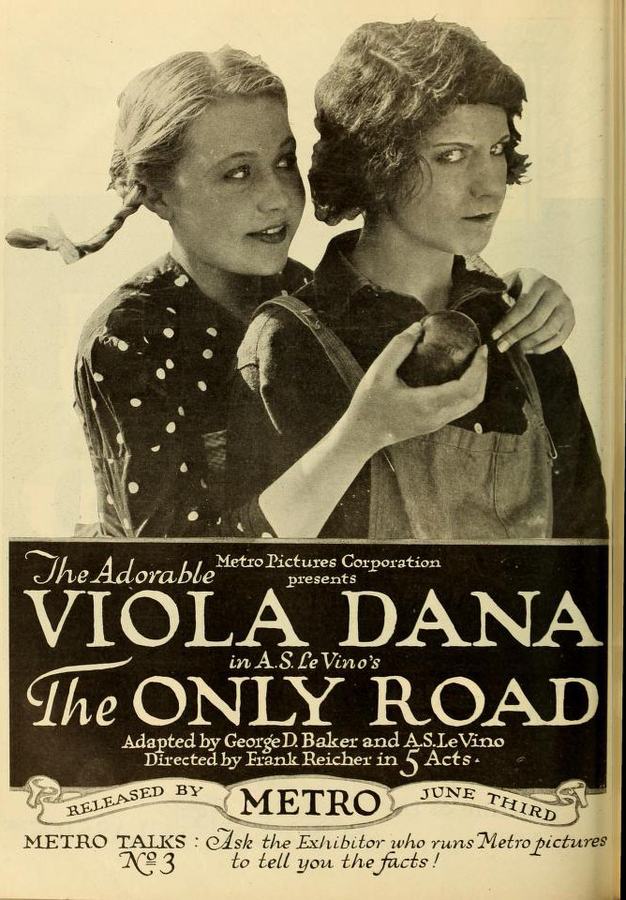
Director's Spotlight: United States
A Deep Dive into the 1918 Vision of Frank Reicher
The enduring fascination with The Only Road is a testament to the defining moment in cult history that Frank Reicher helped create. This film stands as a masterclass in visual storytelling, it has cemented its place in the global cult cinema archive.
In The Only Road, Frank Reicher pushes the boundaries of conventional narrative. The film's unique approach to its subject matter has sparked endless debates and interpretations among cinephiles and critics alike.
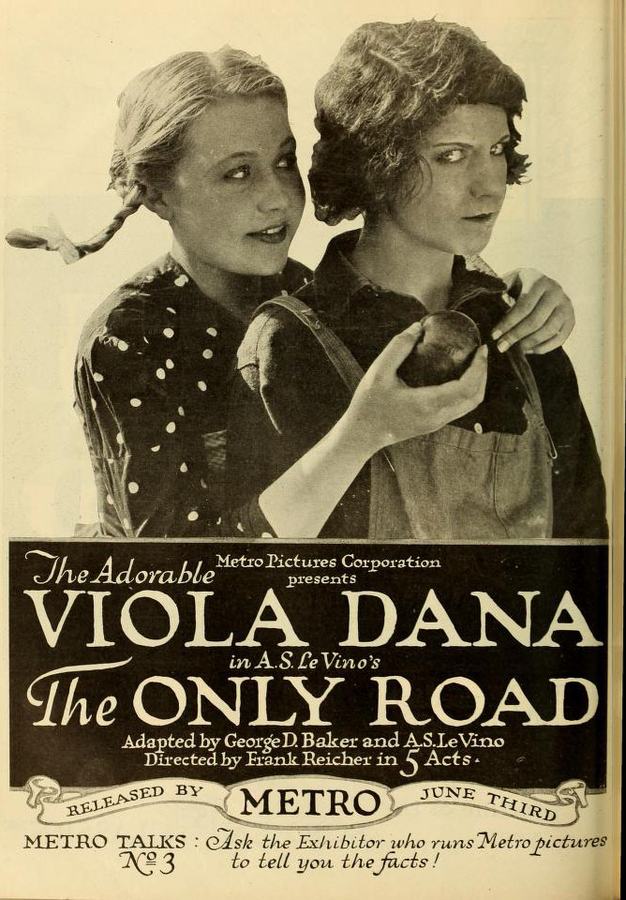
To fully appreciate The Only Road, one must consider the cinematic climate of 1918. During this period, United States was undergoing significant artistic shifts, and Frank Reicher was at the forefront of this cult movement, often challenging established norms.
| Cinematography | Static |
| Soundtrack | Synth-Heavy |
| Editing | Disjunctive |
| Art Direction | Baroque |
Visualizing the convergence of Frank Reicher's style and the core cult narrative.
Nita, a tomboy who sells vegetables in a sleepy California town, believes herself to be the daughter of poor ranch workers Manuel and Rosa Lopez. Traveling into town, she is attacked by Pedro Lupo, the son of lawyer Ramon Lupo. She is defended by Bob Armstrong, an Easterner visiting his father's wealthy friend, Clara Hawkins. When Pedro learns that Nita is actually Clara Hawkins's daughter, stolen at birth and long presumed dead, he insists that she marry him, but she refuses. Bob rescues Nita from the room in which she has been imprisoned, and the Lupos, furious at his interference, tell the sheriff that Bob has compromised the girl. Bob marries Nita at the sheriff's gunpoint and then places her in a convent, from which she later escapes. Nita flees to the Hawkins ranch, and after Ramon reveals her identity to Clara, she is happily reunited with her mother and her new husband.
Decades after its release, The Only Road remains a vital piece of the cinematic puzzle. Its influence can be seen in countless modern works, solidifying Frank Reicher's status as a master of the craft in United States and beyond.