
DbcultAccessing Vault...
Director's Spotlight
Senior Film Conservator
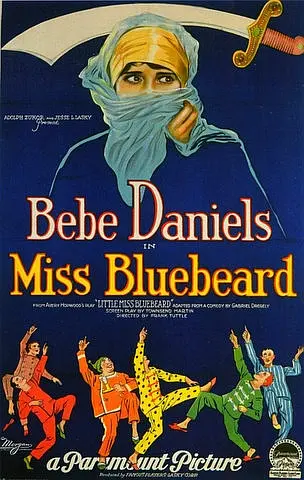
Director's Spotlight: United States
A Deep Dive into the 1925 Vision of Frank Tuttle
Analyzing Miss Bluebeard (1925) requires a deep dive into the unique directorial voice that Frank Tuttle brought to the screen. By challenging the status quo of 1925 cinema, it continues to spark endless debates among critics and cinephiles alike.
In Miss Bluebeard, Frank Tuttle pushes the boundaries of conventional narrative. The film's unique approach to its subject matter has sparked endless debates and interpretations among cinephiles and critics alike.
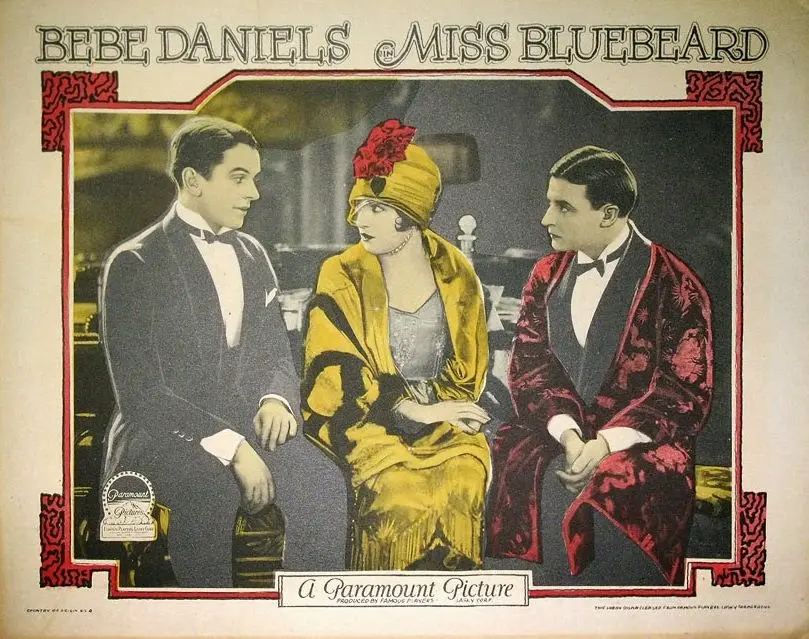
The visual language of Miss Bluebeard is defined by its use of shadows and framing, a hallmark of Frank Tuttle's style. By utilizing a 1925-era palette, the film creates an immersive experience that perfectly complements its Romance themes.
| Cinematography | Noir-Inspired |
| Soundtrack | Minimalist |
| Editing | Disjunctive |
| Art Direction | Baroque |
Visualizing the convergence of Frank Tuttle's style and the core Romance narrative.
In order to escape the demands on his time and energy by female admirers, Larry Charters, a popular writer of popular songs, arranges to have his friend Bob Hawley impersonate him. Traveling on the Continent, Bob meets a French actress, Colette, on a train. In France, Bob and Colette are accidentally left behind at a village station, and they go to the mayor to find rooms for the night. Believing that they want to get married, the intoxicated mayor marries Bob to Colette in Larry's name. Bob and Colette later take the train for Paris, where Larry is introduced to his new and unexpected wife. Larry immediately falls in love with Colette and arranges for her to stay with him, but she remains his wife in name only. Bob becomes engaged to Gloria, one of Colette's friends. At a house-party, Collette disguises herself as one of Larry's old girl friends in an attempt to test his love and loyalty. After considerable confusion and misadventure, Colette and Larry perceive their mutual love and make plans actually to be married.
Decades after its release, Miss Bluebeard remains a vital piece of the cinematic puzzle. Its influence can be seen in countless modern works, solidifying Frank Tuttle's status as a master of the craft in United States and beyond.