
DbcultAccessing Vault...
Director's Spotlight
Senior Film Conservator
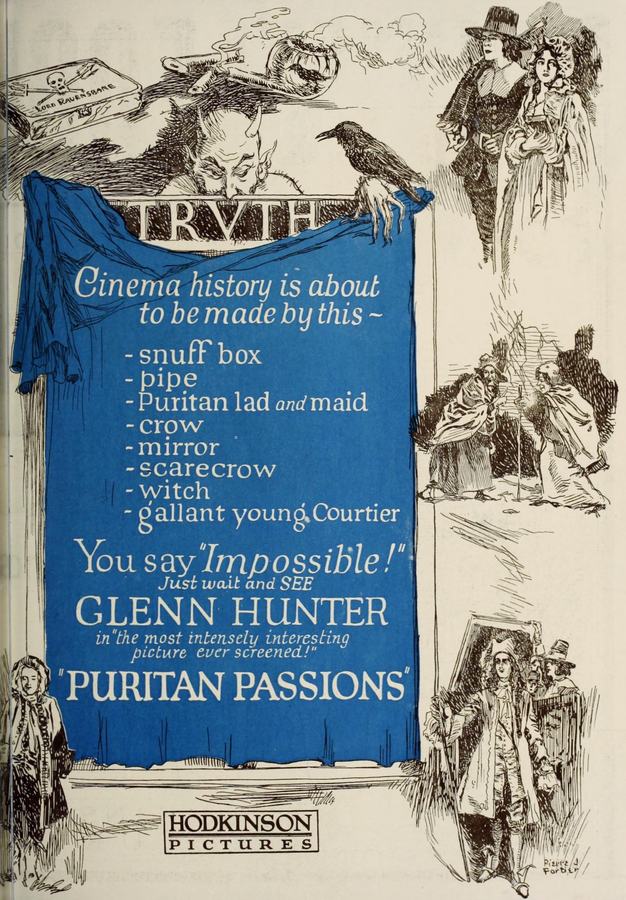
Director's Spotlight: United States
A Deep Dive into the 1923 Vision of Frank Tuttle
Deciphering the layers of Puritan Passions (1923) reveals the complex thematic architecture established by Frank Tuttle. Utilizing a 1923-specific aesthetic that remains timeless, it stands as the definitive 1923 statement on Horror identity.
In Puritan Passions, Frank Tuttle pushes the boundaries of conventional narrative. The film's unique approach to its subject matter has sparked endless debates and interpretations among cinephiles and critics alike.
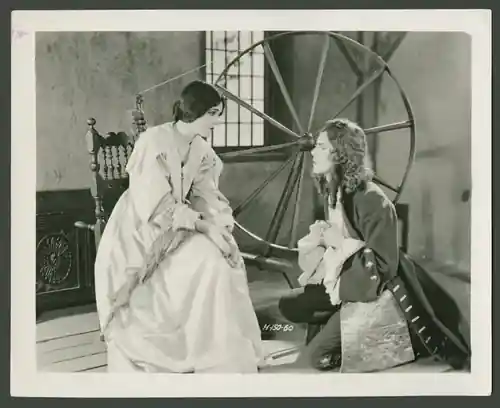
To fully appreciate Puritan Passions, one must consider the cinematic climate of 1923. During this period, United States was undergoing significant artistic shifts, and Frank Tuttle was at the forefront of this Horror movement, often challenging established norms.
| Cinematography | High-Contrast |
| Soundtrack | Orchestral |
| Editing | Invisible |
| Art Direction | Kitsch |
Visualizing the convergence of Frank Tuttle's style and the core Horror narrative.
Goody Rickby conspires with Satan to avenge herself when Gillead Wingate refuses to acknowledge their illegitimate child. Years pass, and Wingate becomes a powerful figure in his Salem, Massachusetts, community. Satan appears, ready to effect Goody's revenge. He makes a scarecrow come to life and plans to marry him to Rachel, Wingate's ward, thereby causing her and Wingate to be hanged for having been associated with witchcraft. Their plan is partially foiled when the scarecrow falls in love, acquires a soul, and sacrifices himself to save Rachel.
Decades after its release, Puritan Passions remains a vital piece of the cinematic puzzle. Its influence can be seen in countless modern works, solidifying Frank Tuttle's status as a master of the craft in United States and beyond.