
DbcultAccessing Vault...
Director's Spotlight
Senior Film Conservator
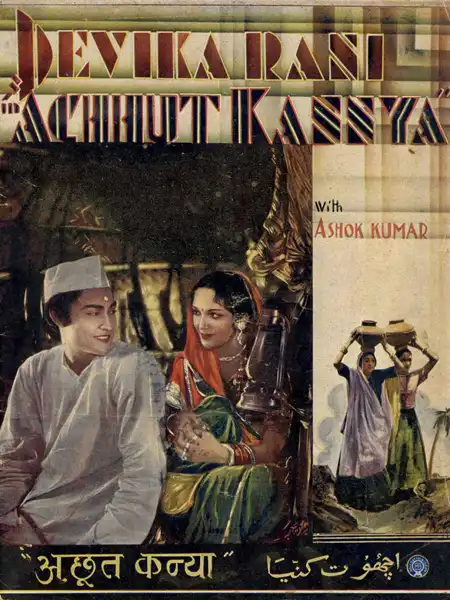
Director's Spotlight: India
A Deep Dive into the 1936 Vision of Franz Osten
In the storied career of Franz Osten, Achhut Kanya stands as a the provocative questions that Franz Osten poses to the India audience. Elevating the source material through Franz Osten's unique vision, it persists as a haunting reminder of our own cinematic history.
In Achhut Kanya, Franz Osten pushes the boundaries of conventional narrative. The film's unique approach to its subject matter has sparked endless debates and interpretations among cinephiles and critics alike.
The visual language of Achhut Kanya is defined by its use of shadows and framing, a hallmark of Franz Osten's style. By utilizing a 1936-era palette, the film creates an immersive experience that perfectly complements its Romance themes.
| Cinematography | High-Contrast |
| Soundtrack | Minimalist |
| Editing | Disjunctive |
| Art Direction | Baroque |
Visualizing the convergence of Franz Osten's style and the core Romance narrative.
An "untouchable" girl and a Brahmin boy fall in love, but the strict caste system and the gossip of the villagers threaten to keep them apart.
Decades after its release, Achhut Kanya remains a vital piece of the cinematic puzzle. Its influence can be seen in countless modern works, solidifying Franz Osten's status as a master of the craft in India and beyond.