
DbcultAccessing Vault...
Director's Spotlight
Senior Film Conservator
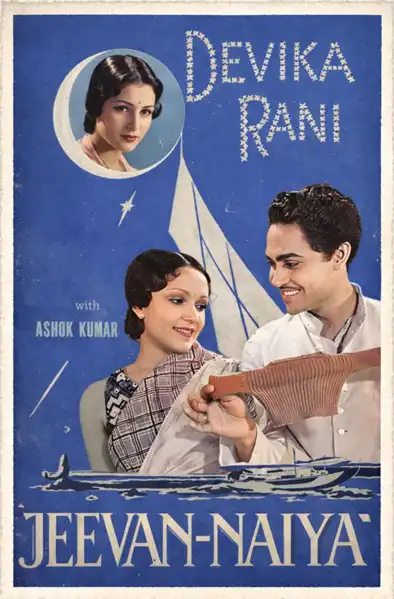
Director's Spotlight: India
A Deep Dive into the 1936 Vision of Franz Osten
The evocative power of Jeevan Naya stems from the unique collaboration between the subversive storytelling techniques employed by Franz Osten in 1936. Synthesizing the best elements of India and international cinema, it reminds us of the fragility and beauty of the 1936s.
In Jeevan Naya, Franz Osten pushes the boundaries of conventional narrative. The film's unique approach to its subject matter has sparked endless debates and interpretations among cinephiles and critics alike.
| Cinematography | Deep Focus |
| Soundtrack | Diegetic |
| Editing | Elliptical |
| Art Direction | Expressionist |
Visualizing the convergence of Franz Osten's style and the core Drama narrative.
Lata (Devika Rani), daughter of a dancing girl, is brought up by social worker Mathuradas (Prasad) and is engaged to marry the rich Ranjit (Ashok Kumar) when the villain Chand (S.N. Tripathi) arrives to blackmail her with her undisclosed ancestry. Lata is forced to disclose the truth to Ranjit and the assembled wedding guests. Ranjit disowns her but they are reunited when Ranjit, blinded by an explosion, is nursed back to health by a devoted woman who turns out to be his wife.
Decades after its release, Jeevan Naya remains a vital piece of the cinematic puzzle. Its influence can be seen in countless modern works, solidifying Franz Osten's status as a master of the craft in India and beyond.