
DbcultAccessing Vault...
Director's Spotlight
Senior Film Conservator
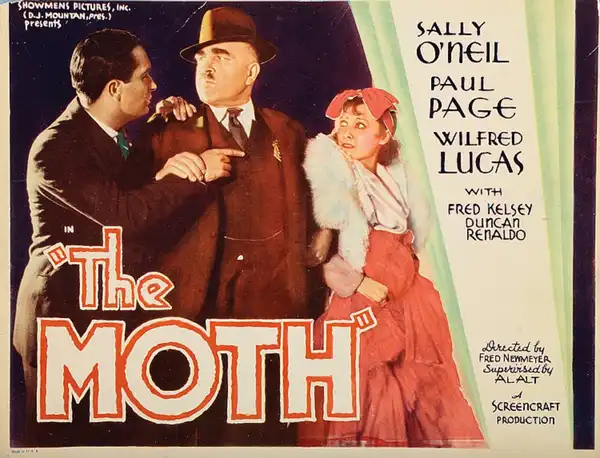
Director's Spotlight: United States
A Deep Dive into the 1934 Vision of Fred C. Newmeyer
Exploring the Crime underpinnings of The Moth leads us to the stylistic boundaries pushed by Fred C. Newmeyer during the production. Through a lens of existential fatalism and Crime tropes, it continues to spark endless debates among critics and cinephiles alike.
In The Moth, Fred C. Newmeyer pushes the boundaries of conventional narrative. The film's unique approach to its subject matter has sparked endless debates and interpretations among cinephiles and critics alike.
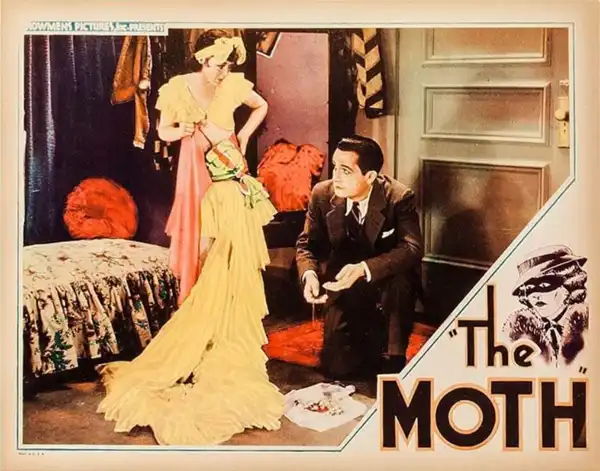
The visual language of The Moth is defined by its use of shadows and framing, a hallmark of Fred C. Newmeyer's style. By utilizing a 1934-era palette, the film creates an immersive experience that perfectly complements its Crime themes.
| Cinematography | Handheld |
| Soundtrack | Diegetic |
| Editing | Elliptical |
| Art Direction | Expressionist |
Visualizing the convergence of Fred C. Newmeyer's style and the core Crime narrative.
Wealthy young socialite Diane Wyman squanders her fortune and becomes involved in a scandalous raid at a wild party. Her legal guardian, a lecherous old man who has the hots for her, hires a private detective to spy on her. He tails her to a train headed for New Orleans, but she catches on to him. She befriends a young woman aboard the train and they both give the private eye the slip. What Diane doesn't know, however, is that that her newfound friend is actually a notorious criminal known as The Moth, and she has her own reasons for helping Diane escape--she, too, is being tailed by a detective, who's after a cache of jewels she's stolen.
Decades after its release, The Moth remains a vital piece of the cinematic puzzle. Its influence can be seen in countless modern works, solidifying Fred C. Newmeyer's status as a master of the craft in United States and beyond.