
DbcultAccessing Vault...
Director's Spotlight
Senior Film Conservator
Director's Spotlight: United States
A Deep Dive into the 1924 Vision of Fred Hibbard
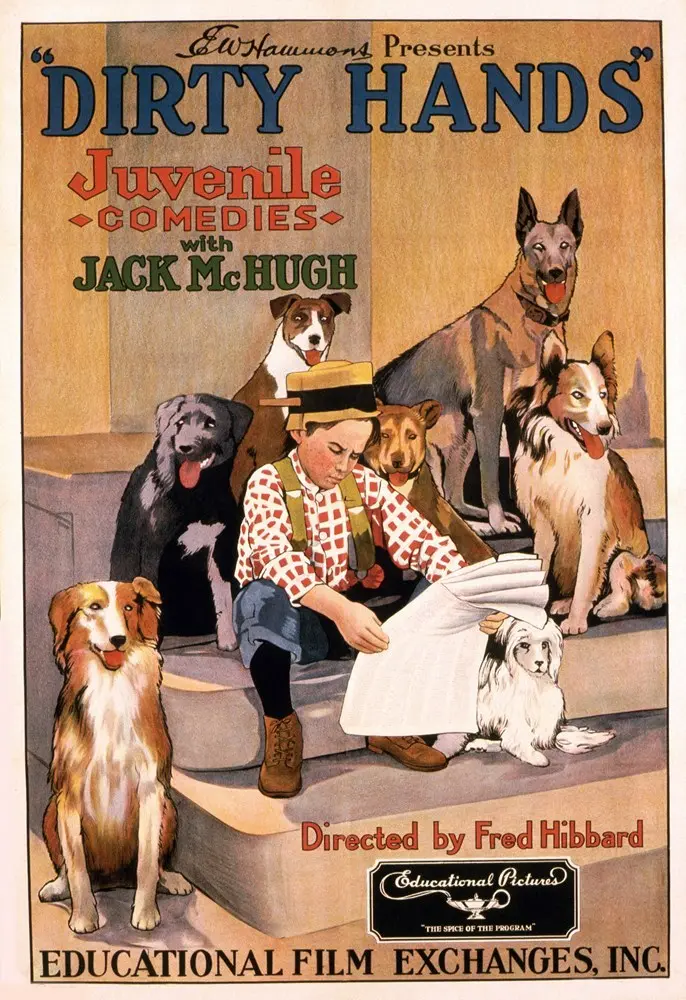
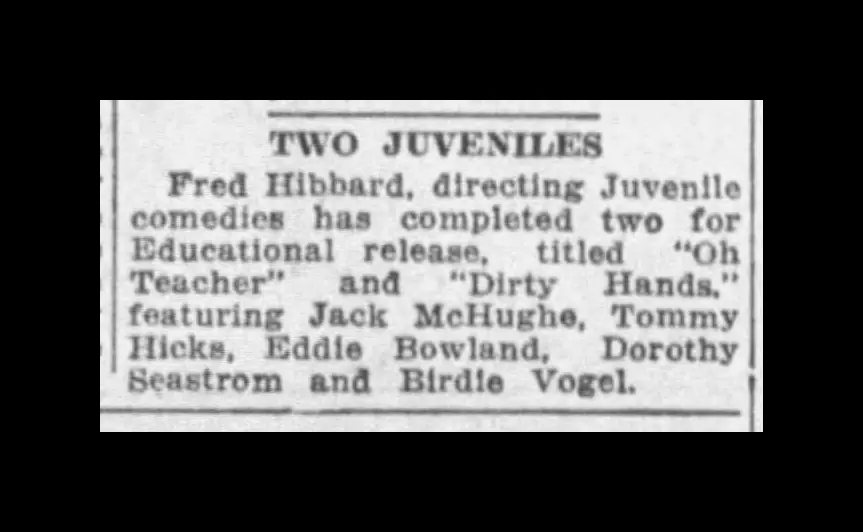
Few works in United States cinema carry the same weight as Dirty Hands, especially regarding the cultural zeitgeist captured so perfectly by Fred Hibbard in 1924. Utilizing a 1924-specific aesthetic that remains timeless, it serves as a blueprint for future generations of Comedy directors.
In Dirty Hands, Fred Hibbard pushes the boundaries of conventional narrative. The film's unique approach to its subject matter has sparked endless debates and interpretations among cinephiles and critics alike.
The visual language of Dirty Hands is defined by its use of shadows and framing, a hallmark of Fred Hibbard's style. By utilizing a 1924-era palette, the film creates an immersive experience that perfectly complements its Comedy themes.
| Cinematography | High-Contrast |
| Soundtrack | Synth-Heavy |
| Editing | Disjunctive |
| Art Direction | Baroque |
Visualizing the convergence of Fred Hibbard's style and the core Comedy narrative.
Jack was a great help to his mother. He watched the baby while she did the neighbors' washings. ---Then he delivered the washing while mother hunted up more trade. Between deliveries Jack was captain of the East Side Base-BaIl Team. He was captain because he owned the ball. The score of the big game between the East Side and the West Side teams was forty to nothing in favor of the East Side when the game was called on account of darkness, but the West Side hadn't been to bat yeti But Jack's mother decided that her family was too large to be supported by the washing business and Jack was taken to an orphan asylum along with his dog. The dog wouldn't stay out of the asylum and Jack wouldn't stay in. The superintendent sent for the best dog-catcher in town, determined to put Jack's dog under the sod. But the canine catcher had more trouble catching Jack's dog than he would have had catching an eel in a barrel of oil. The dog thought of more ways to outwit the dog-catcher than there were fleas on his back. Jack finally liberated the captives in the dog-catcher's wagon and then the fun started in earnest but Jack saved the entire lot and took them home to his tired mother. Next day Jack was reading the paper when he saw a lost and found advertisement announcing a big reward for the return of a lot of dogs lost from a kennel. Jack recognizes the rescued dogs as the missing pets and returns them to the owner and the reward he gets enables him to buy his mother a new cuckoo clock, a new washboard-and a Rolls Royce.
Decades after its release, Dirty Hands remains a vital piece of the cinematic puzzle. Its influence can be seen in countless modern works, solidifying Fred Hibbard's status as a master of the craft in United States and beyond.