
DbcultAccessing Vault...
Director's Spotlight
Senior Film Conservator
Director's Spotlight: United States
A Deep Dive into the 1922 Vision of Fred Hibbard
The brilliance of Henpecked (1922) is inseparable from a monumental shift in Comedy filmmaking spearheaded by Fred Hibbard. Occupying a unique space between Comedy and pure art, it serves as a blueprint for future generations of Comedy directors.
In Henpecked, Fred Hibbard pushes the boundaries of conventional narrative. The film's unique approach to its subject matter has sparked endless debates and interpretations among cinephiles and critics alike.
The visual language of Henpecked is defined by its use of shadows and framing, a hallmark of Fred Hibbard's style. By utilizing a 1922-era palette, the film creates an immersive experience that perfectly complements its Comedy themes.
| Cinematography | Static |
| Soundtrack | Diegetic |
| Editing | Elliptical |
| Art Direction | Expressionist |
Visualizing the convergence of Fred Hibbard's style and the core Comedy narrative.
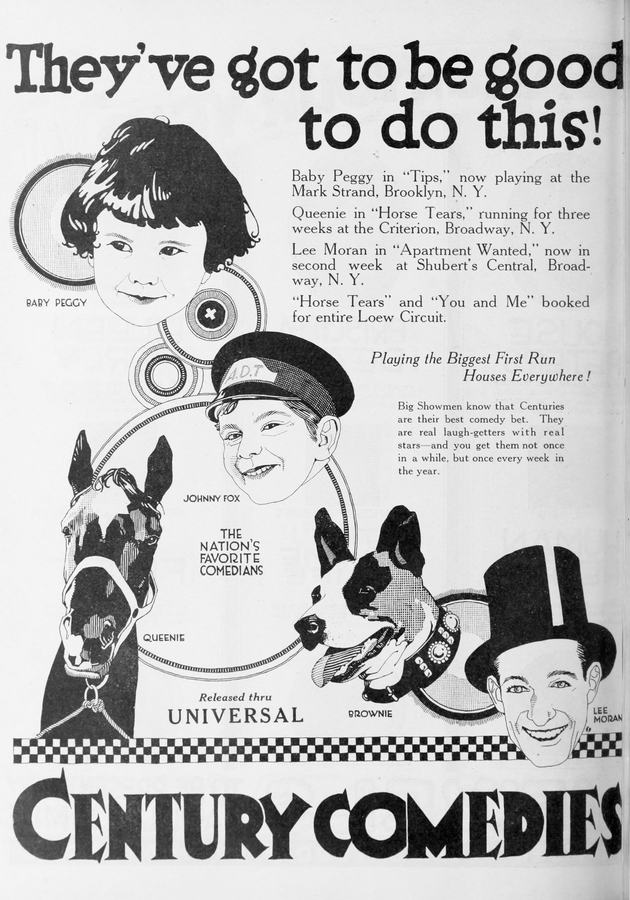
Lee, the henpecked husband of a wife weighing about three hundred or so, is pounded by his worthy spouse and warned to get a job that day or out he goes. The wife accompanies Lee to a blacksmith shop where Lee secures work. Lee has a hard time shoeing horses and a mule that persists in kicking Lee's head - one kick lands Lee on the cash register which rings up some money. Lee has to put up some money out of his pocket to make good. Queenie, the horse, comes in for shoeing. Lee tells her to get a pair of shoes for another little horse there. Queenie brings the blacksmith's shoes and mutilates them. The blacksmith becomes furious at Lee. Lee loses his job. On his way home, Lee buys a bottle of Nervo. He drinks some, goes into his home and orders the gossiping women there out and commands his wife to go out into the barn and get some wood. Just then the Nervo wears off; the wife asserts herself again and Lee jumps out the window onto Queenie and rides away.
Decades after its release, Henpecked remains a vital piece of the cinematic puzzle. Its influence can be seen in countless modern works, solidifying Fred Hibbard's status as a master of the craft in United States and beyond.