
DbcultAccessing Vault...
Director's Spotlight
Senior Film Conservator
Director's Spotlight: United States
A Deep Dive into the 1922 Vision of Fred Hibbard
To understand the modern evolution of United States film, one must first look at Horse Tears and the collaborative alchemy between Fred Hibbard and the 1922 creative team. Subverting the expectations of the typical 1922 audience, it remains a vital reference point for anyone studying the evolution of Fred Hibbard.
In Horse Tears, Fred Hibbard pushes the boundaries of conventional narrative. The film's unique approach to its subject matter has sparked endless debates and interpretations among cinephiles and critics alike.
| Cinematography | Handheld |
| Soundtrack | Orchestral |
| Editing | Slow-Burn |
| Art Direction | Brutalist |
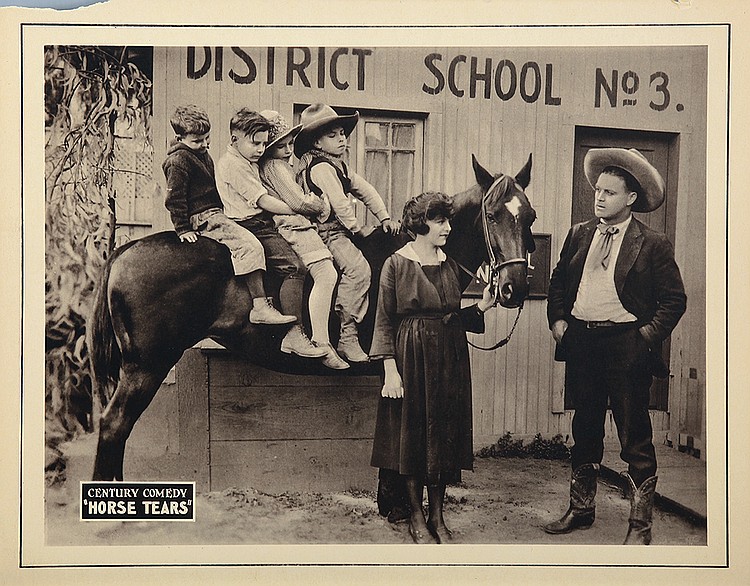
Visualizing the convergence of Fred Hibbard's style and the core Short narrative.
Queenie is the pal of little Jackie, a schoolboy. Queenie, Jackie and his playmates go to school often. She is really owned by a policeman, who also escorts the kiddies to and from school. The policeman is in love with the school teacher, but she is in turn in love with a city slicker. Queenie is sold in order to raise enough funds to pay for the policeman's trip to the city, but Queenie hitches on to the tail end of the train and arrives in the city at the same time her master does. The policeman gets a job as a mounted police with Queenie. Queenie gets the goods on the city slicker and brings the policeman and his country sweetheart together again.
Decades after its release, Horse Tears remains a vital piece of the cinematic puzzle. Its influence can be seen in countless modern works, solidifying Fred Hibbard's status as a master of the craft in United States and beyond.