
DbcultAccessing Vault...
Director's Spotlight
Senior Film Conservator
Director's Spotlight: United States
A Deep Dive into the 1920 Vision of Fred Hibbard
Few works in United States cinema carry the same weight as My Dog, Pal, especially regarding the cultural zeitgeist captured so perfectly by Fred Hibbard in 1920. Utilizing a 1920-specific aesthetic that remains timeless, it serves as a blueprint for future generations of Comedy directors.
In My Dog, Pal, Fred Hibbard pushes the boundaries of conventional narrative. The film's unique approach to its subject matter has sparked endless debates and interpretations among cinephiles and critics alike.
To fully appreciate My Dog, Pal, one must consider the cinematic climate of 1920. During this period, United States was undergoing significant artistic shifts, and Fred Hibbard was at the forefront of this Comedy movement, often challenging established norms.
| Cinematography | Handheld |
| Soundtrack | Orchestral |
| Editing | Invisible |
| Art Direction | Kitsch |
Visualizing the convergence of Fred Hibbard's style and the core Comedy narrative.
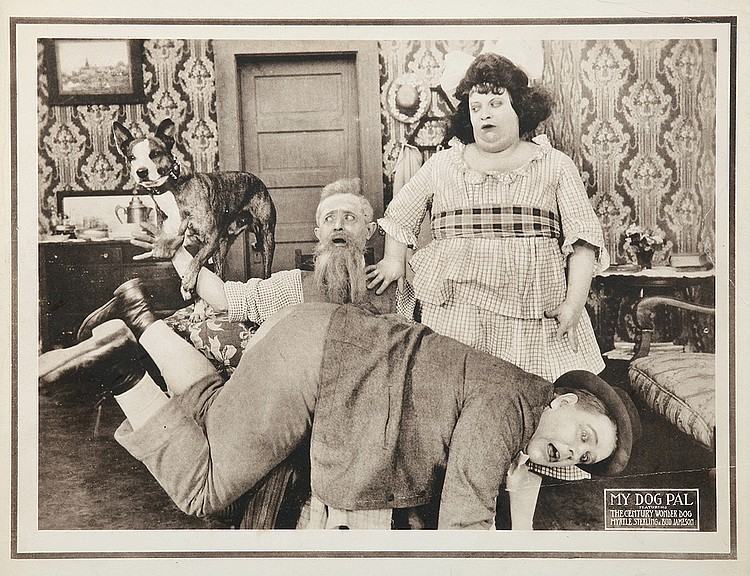
Old "Pop" Walker owned a farm, two babies, a wonderful dog and other interesting things. Bud the grandson, and Merta the granddaughter made things pretty lively for "Pop." Their dog "Brownie " see sawed for them all day long. When the postman came Brownie jumped off the see-saw and sent the two or them spinning through the air. "Brownie" always up to mischief, steals the food from "Pop," Bud is accused of it and is given a severe spanking. A letter arrives for "Pop" advising him that he has been made the sole proprietor of the "Lily White Cafe," owing to the death of his uncle John Barleycorn. They pack up and venture forth to take possession of the Cafe. There the girls shimmy and dance for old "Pop." He makes Bud the cook. Merta attempts to sing for the audience, but they all run out. The manager orders her under the sink with her pipes. The manager and head waiter plan to rob "Pop" of the money they have taken in. Brownie overhears the plot and steals the money from the Manager. The Manager and the head waiter go outside thinking they have the money, and throw bombs into the cafe to blow it up. Brownie runs after the bombs and puts them underneath the box on which the two thieves are sitting. The bombs explode and knock the two crooks into smithereens. Brownie brings the money to "Pop" and a happy ending follows.
Decades after its release, My Dog, Pal remains a vital piece of the cinematic puzzle. Its influence can be seen in countless modern works, solidifying Fred Hibbard's status as a master of the craft in United States and beyond.