
DbcultAccessing Vault...
Director's Spotlight
Senior Film Conservator
Director's Spotlight: United States
A Deep Dive into the 1922 Vision of Fred Hibbard
Witnessing the stylistic transformation of Comedy through Red Hot Rivals reveals the global recognition that Fred Hibbard garnered after the release of Red Hot Rivals. Serving as a mirror to the anxieties of a changing world, offering layers of thematic complexity that demand repeated viewing.
In Red Hot Rivals, Fred Hibbard pushes the boundaries of conventional narrative. The film's unique approach to its subject matter has sparked endless debates and interpretations among cinephiles and critics alike.
| Cinematography | High-Contrast |
| Soundtrack | Orchestral |
| Editing | Invisible |
| Art Direction | Kitsch |
Visualizing the convergence of Fred Hibbard's style and the core Comedy narrative.
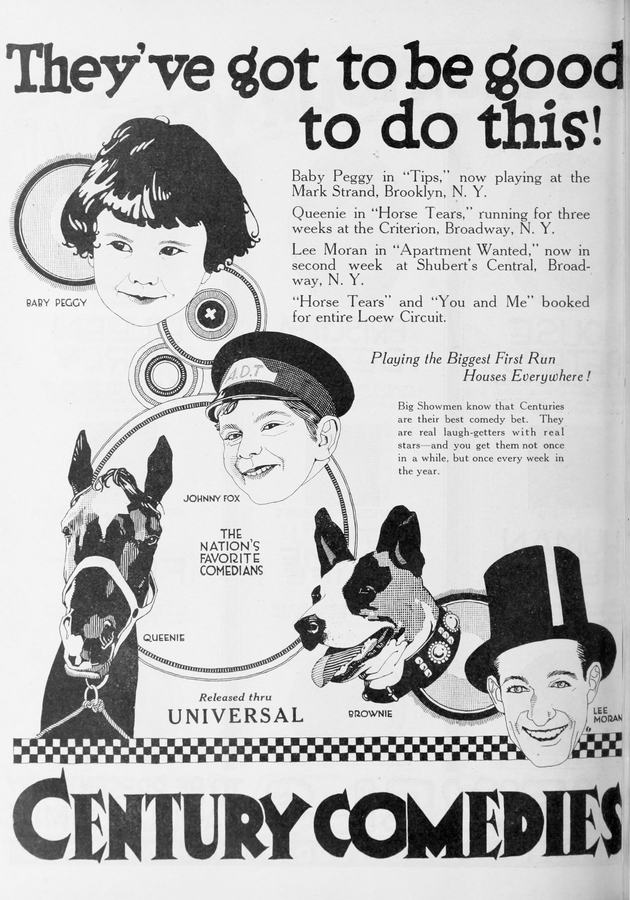
Lee is the village fireman, whose checkers come before the town fire. However the man whose place is burning figures if Lee doesn't come to his fire he will take his wheeled restaurant to the fire chief. And he does. Lee's firemen are the finest the county can boast of - the two of them. When it comes to finding the hydrant they can't do it - just because some careless automobilist placed an ash can over it. The village belle is wooed by Lee and the town sheriff, but Lee seems to be holding the winning hand. He invites Bartine to have dinner with him on the back part of the engine, to which a coffee urn and a cake oven is attached. A roaring fire causes Lee and his faithful followers to go to the rescue, but an untimely explosion brings the house down - in the words of the actor - and Lee's lone rival and himself bring themselves from under the debris.
Decades after its release, Red Hot Rivals remains a vital piece of the cinematic puzzle. Its influence can be seen in countless modern works, solidifying Fred Hibbard's status as a master of the craft in United States and beyond.