
DbcultAccessing Vault...
Director's Spotlight
Senior Film Conservator
Director's Spotlight: United States
A Deep Dive into the 1915 Vision of Fred J. Balshofer
Witnessing the stylistic transformation of cult through Rosemary reveals the global recognition that Fred J. Balshofer garnered after the release of Rosemary. Serving as a mirror to the anxieties of a changing world, offering layers of thematic complexity that demand repeated viewing.
In Rosemary, Fred J. Balshofer pushes the boundaries of conventional narrative. The film's unique approach to its subject matter has sparked endless debates and interpretations among cinephiles and critics alike.
To fully appreciate Rosemary, one must consider the cinematic climate of 1915. During this period, United States was undergoing significant artistic shifts, and Fred J. Balshofer was at the forefront of this cult movement, often challenging established norms.
| Cinematography | Static |
| Soundtrack | Minimalist |
| Editing | Disjunctive |
| Art Direction | Baroque |
Visualizing the convergence of Fred J. Balshofer's style and the core cult narrative.
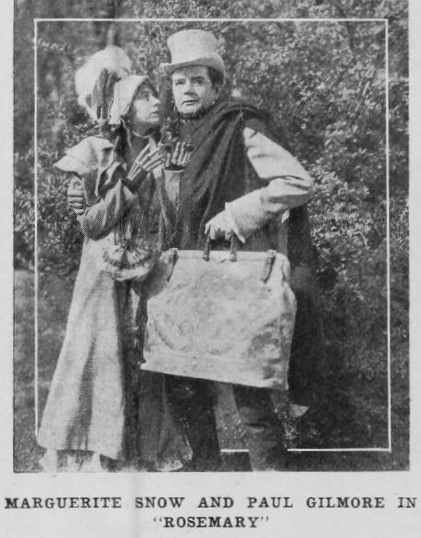
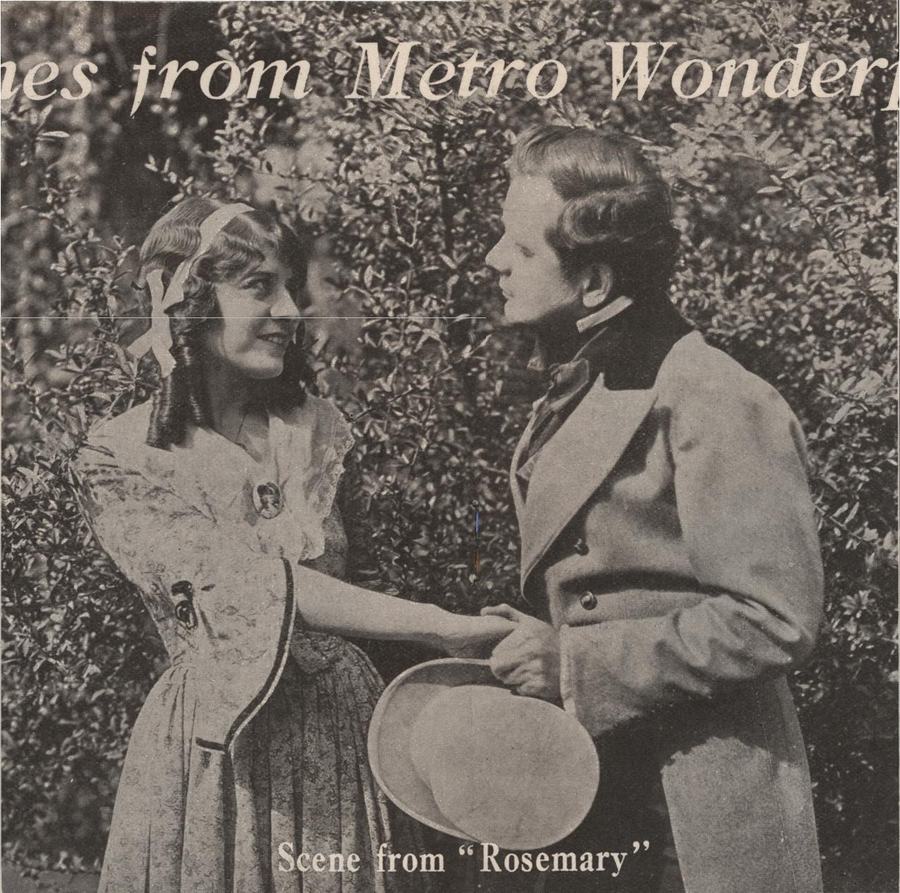
Dorothy Cruickshank is secretly in love with Captain Westwood, whom her parents have never seen, and they plan to elope. Her father, an old sea captain, has quarreled with a Professor Jogram, following a public denunciation of a book Jogram has written on navigation. Professor Jogram lives with Sir Jasper Thorndyke, who sympathizes with him about the criticism but secretly considers the matter lightly. Dorothy and Captain Westwood elope during a storm, but their chaise is overturned near the home of Sir Jasper, where they apply for shelter and are taken in. Dorothy's parents pursue her, but they, too, meet with an accident and bring up at Sir Jasper's home. Dorothy and Captain Westwood are in their rooms when the girl's parents arrive. Sir Jasper and Cruickshank sit up late, Cruickshank drinking heavily, and his host, learning who he is, as a joke, puts him to bed with Professor Jogram. The next morning Dorothy arises early, and while gathering flowers in the garden, encounters Sir Jasper. Sir Jasper falls in love with her, and gives her a bunch of rosemary which she pins to her gown. At breakfast all are present, save Dorothy, and Sir Jasper takes this opportunity to gain her parents' consent to her marriage with Captain Westwood. A journey to London with a happy wedding is planned. At an inn in London Dorothy goes to the stable to give some sugar to Sir Jasper's favorite mare. The stable catches fire and Dorothy is trapped in the loft. Sir Jasper, who has been showing her much attention, rushes through the flames and rescues her. He is badly burned, and during the days that follow Dorothy insists on attending him. One day Westwood demands to see a page Dorothy has just written in her diary. She refuses, tears out the page and gives it to Sir Jasper. It is an artless confession of her high regard for Sir Jasper and he is elated. He is on the point of confessing his love for her when Professor Jogram stops him. Jogram tells him he is about to ruin the lives of two people he had never seen until a few days before. Realizing the truth of this Sir Jasper places the diary page in a broken panel in the wall, buys the inn and goes away to leave the lovers in happiness. Many years later, while Dorothy and Westwood are happy with their family, Sir Jasper makes a pilgrimage to the inn. He finds the page, together with the rosemary, and muses over them as he remembers Dorothy's little speech when she gave it to him. "Rosemary, that's for remembrance."
Decades after its release, Rosemary remains a vital piece of the cinematic puzzle. Its influence can be seen in countless modern works, solidifying Fred J. Balshofer's status as a master of the craft in United States and beyond.