
DbcultAccessing Vault...
Director's Spotlight
Senior Film Conservator
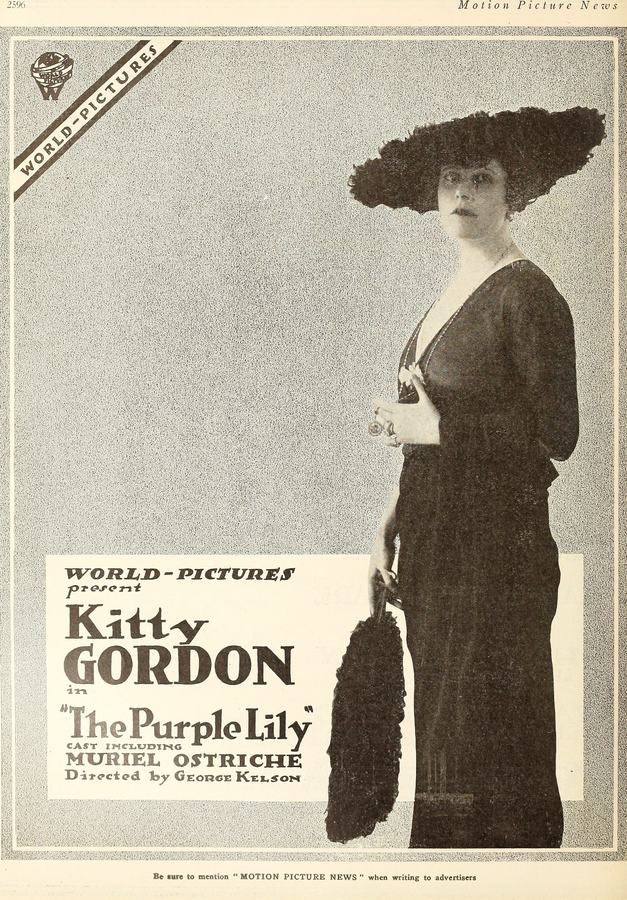
Director's Spotlight: United States
A Deep Dive into the 1918 Vision of Fred Kelsey
The enduring fascination with The Purple Lily is a testament to the artistic risks taken by Fred Kelsey that eventually paid off. Challenging the viewer to find meaning in the cult shadows, it reminds us of the fragility and beauty of the 1918s.
In The Purple Lily, Fred Kelsey pushes the boundaries of conventional narrative. The film's unique approach to its subject matter has sparked endless debates and interpretations among cinephiles and critics alike.
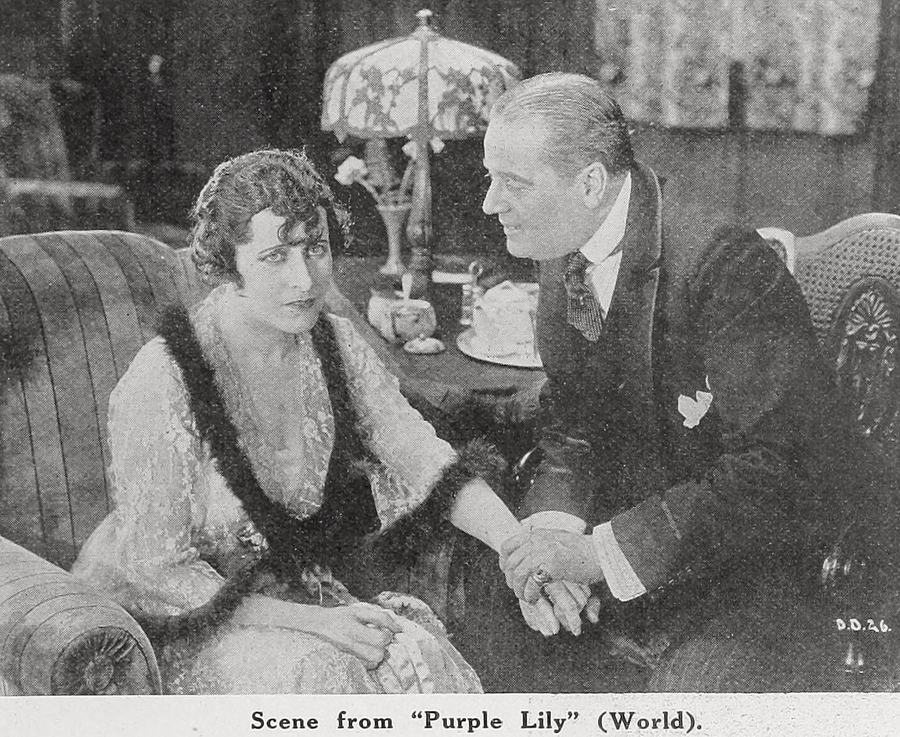
While deeply rooted in United States, The Purple Lily has achieved a global reach, influencing directors from various backgrounds. Its ability to translate cult tropes into a universal cinematic language is why it remains a cult staple decades after its 1918 release.
| Cinematography | Static |
| Soundtrack | Experimental |
| Editing | Invisible |
| Art Direction | Kitsch |
Visualizing the convergence of Fred Kelsey's style and the core cult narrative.
London businessman Sir Philip Bradley, travels to Canada to survey some mining properties but learns that another concern has already commissioned James Caldwell, a young engineer, to survey the land. Sir Philip hires Marie Burguet, a beautiful woman who married gambler Frank Farnsworth in order to escape a humdrum existence with her father in the mountains, to obtain the surveys from James. Through her charms, Marie accomplishes the task easily. Frank then takes the papers from her, and after he insists on keeping Sir Philip's reward money himself, he and his outraged wife quarrel. In Montreal, James, who realizes that he has been duped, meets Frank and Marie in a café and angrily attacks Frank. The fight is interrupted by the president of James's company, who announces that Sir Philip has been arrested and the papers recovered. Frank is arrested for theft, and Marie, truly repentant, returns to her father in the mountains.
Decades after its release, The Purple Lily remains a vital piece of the cinematic puzzle. Its influence can be seen in countless modern works, solidifying Fred Kelsey's status as a master of the craft in United States and beyond.