
DbcultAccessing Vault...
Director's Spotlight
Senior Film Conservator
Director's Spotlight: United States
A Deep Dive into the 1918 Vision of Fred Niblo
In the storied career of Fred Niblo, The Marriage Ring stands as a the provocative questions that Fred Niblo poses to the United States audience. Elevating the source material through Fred Niblo's unique vision, it persists as a haunting reminder of our own cinematic history.
In The Marriage Ring, Fred Niblo pushes the boundaries of conventional narrative. The film's unique approach to its subject matter has sparked endless debates and interpretations among cinephiles and critics alike.
To fully appreciate The Marriage Ring, one must consider the cinematic climate of 1918. During this period, United States was undergoing significant artistic shifts, and Fred Niblo was at the forefront of this cult movement, often challenging established norms.
| Cinematography | Noir-Inspired |
| Soundtrack | Synth-Heavy |
| Editing | Rhythmic |
| Art Direction | Naturalist |
Visualizing the convergence of Fred Niblo's style and the core cult narrative.
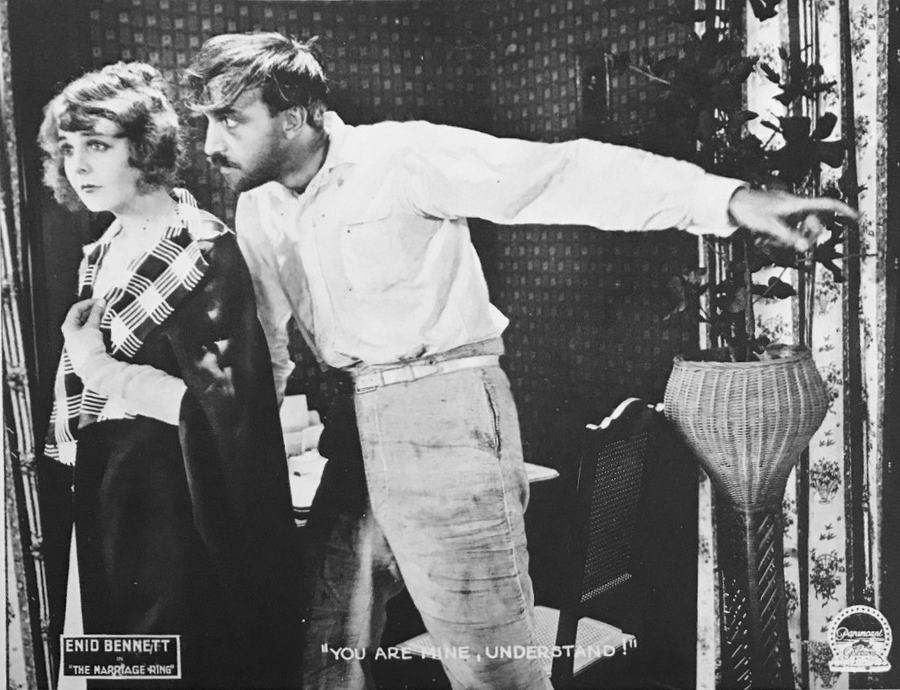
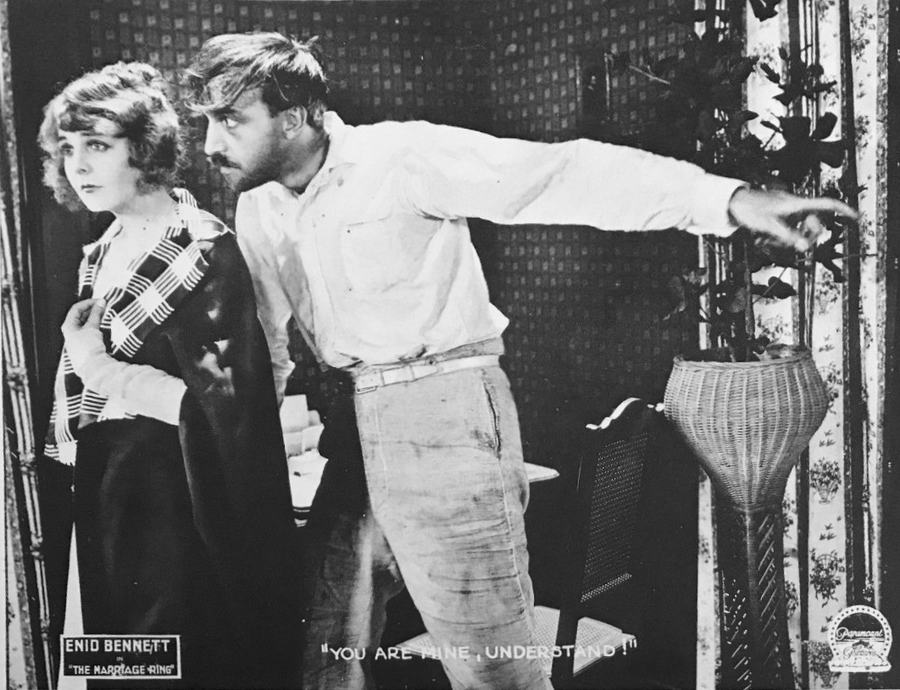
Anne Mertons (Enid Bennett) is the unhappy wife of Hugo Mertons (Robert McKim), an unscrupulous brute. When the two struggle over a gun, Hugo is shot. Thinking he's dead, Anne flees to Hawaii, where she falls in love with Rodney Heathe (Jack Holt), who owns a sugar plantation. Hugo re-enters the picture and forces Anne to live as his prisoner in a hut. She overhears his plan to burn a sugar plantation. She is able to escape and saves the plantation, while Hugo is burned to death. Anne is now free to marry Rodney.
Decades after its release, The Marriage Ring remains a vital piece of the cinematic puzzle. Its influence can be seen in countless modern works, solidifying Fred Niblo's status as a master of the craft in United States and beyond.