
DbcultAccessing Vault...
Director's Spotlight
Senior Film Conservator
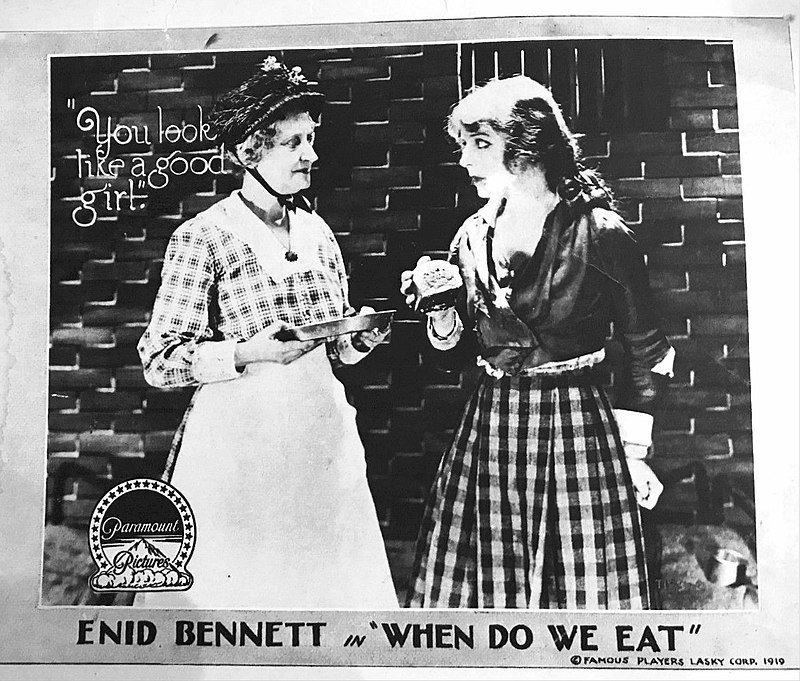
Director's Spotlight: United States
A Deep Dive into the 1918 Vision of Fred Niblo
The evocative power of When Do We Eat? stems from the unique collaboration between the subversive storytelling techniques employed by Fred Niblo in 1918. Synthesizing the best elements of United States and international cinema, it reminds us of the fragility and beauty of the 1918s.
In When Do We Eat?, Fred Niblo pushes the boundaries of conventional narrative. The film's unique approach to its subject matter has sparked endless debates and interpretations among cinephiles and critics alike.
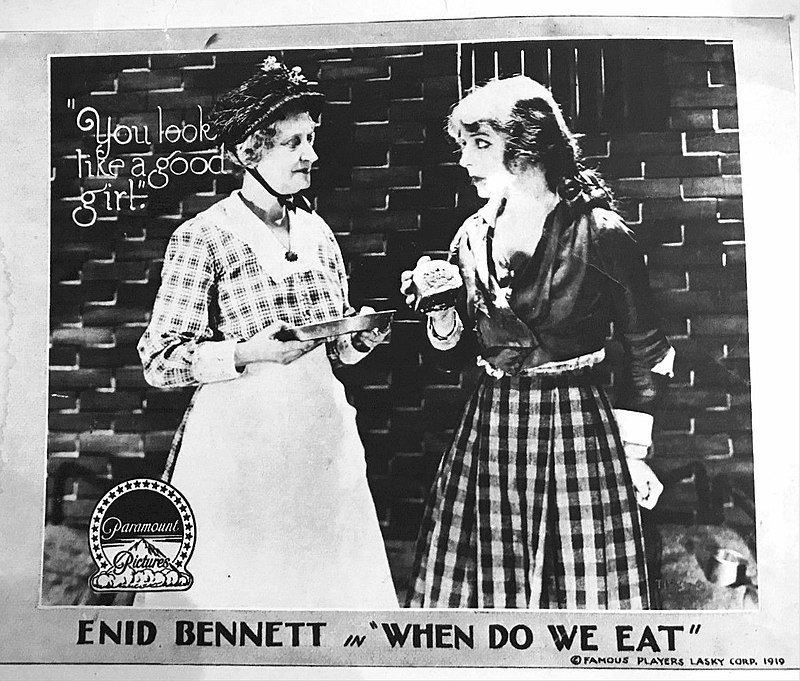
To fully appreciate When Do We Eat?, one must consider the cinematic climate of 1918. During this period, United States was undergoing significant artistic shifts, and Fred Niblo was at the forefront of this cult movement, often challenging established norms.
| Cinematography | Handheld |
| Soundtrack | Diegetic |
| Editing | Rhythmic |
| Art Direction | Naturalist |
Visualizing the convergence of Fred Niblo's style and the core cult narrative.
Impersonating Little Eva in a third-rate travelling production of Uncle Tom's Cabin fails to earn Nora enough for a square daily meal, and to make thing worse, her stage career comes to a sudden end when the sheriff arrives with a writ of seizure. Nora hops a passing freight but is frightened by a tramp, jumps off, and literally rolls into the town of Wattelville. After being arrested as a suspicious character, Nora is adopted by the kindly Ma Forbes, whose son James works in the local bank. "Pug" Hennessy and "Soup" McCool, two crooks, inveigle the scrupulously honest James into a poker game and, as a result, he is forced to steal $300 from the bank to cover his losses. Impersonating expert safe-cracker Velvet Mary, Nora helps the crooks to break into the bank, but upon opening the safe, she sounds the alarm, and the crooks are arrested. Having learned his lesson, James proposes to Nora, who never again is forced to go hungry.
Decades after its release, When Do We Eat? remains a vital piece of the cinematic puzzle. Its influence can be seen in countless modern works, solidifying Fred Niblo's status as a master of the craft in United States and beyond.