
DbcultAccessing Vault...
Director's Spotlight
Senior Film Conservator
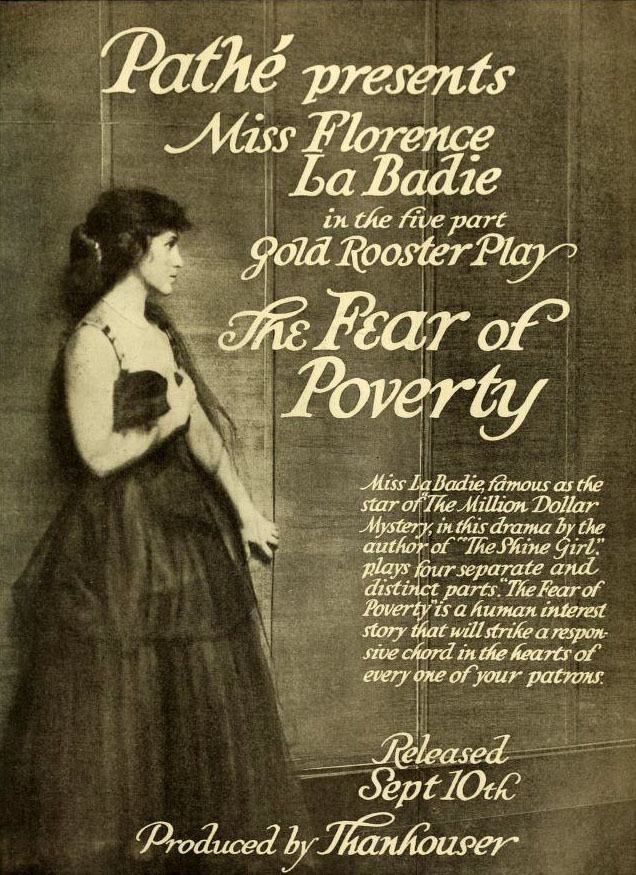
Director's Spotlight: United States
A Deep Dive into the 1916 Vision of Frederick Sullivan
The thematic gravity of The Fear of Poverty (1916) is rooted in the artistic risks taken by Frederick Sullivan that eventually paid off. Defining a new era of United States artistic expression, it demands to be seen by anyone who cares about the art of film.
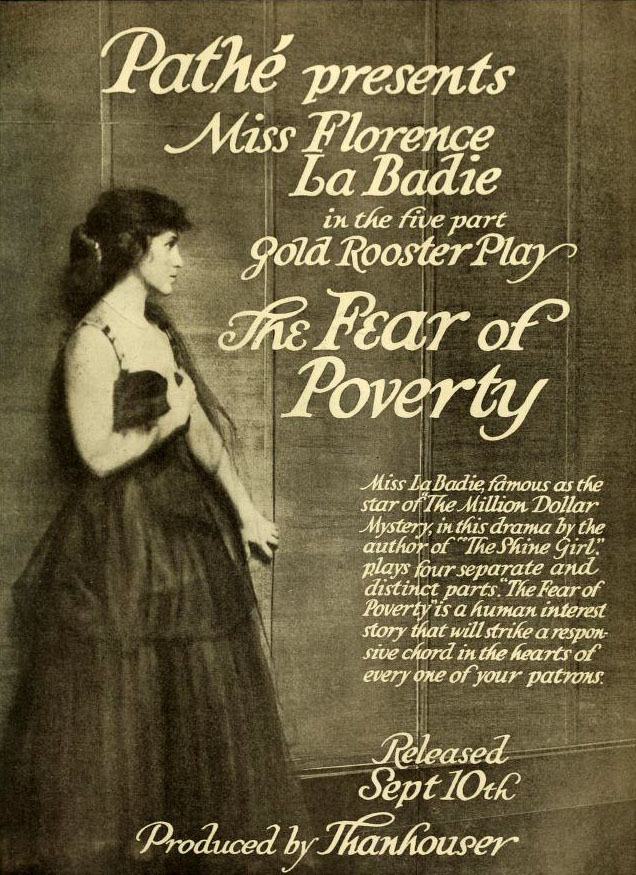
In The Fear of Poverty, Frederick Sullivan pushes the boundaries of conventional narrative. The film's unique approach to its subject matter has sparked endless debates and interpretations among cinephiles and critics alike.
| Cinematography | Noir-Inspired |
| Soundtrack | Synth-Heavy |
| Editing | Rhythmic |
| Art Direction | Naturalist |
Visualizing the convergence of Frederick Sullivan's style and the core cult narrative.
When her husband Jim strikes it rich, Grace, who has had a lifelong fear of poverty, strictly raises her daughter Florence to accept only luxury. When Florence is old enough to have suitors, she quickly rejects penniless artist Durland and marries rich playboy Alfred Griffin, but soon learns that he is an unfaithful spendthrift, so they soon become bitter enemies. In a final effort to ruin Florence's life, Alfred neatly arranges evidence to make her look like his murderer, then commits suicide, but the butler saw everything and is able to clear Florence of this charge; afterward she rushes to Durland and they plan to get married.
Decades after its release, The Fear of Poverty remains a vital piece of the cinematic puzzle. Its influence can be seen in countless modern works, solidifying Frederick Sullivan's status as a master of the craft in United States and beyond.