
DbcultAccessing Vault...
Director's Spotlight
Senior Film Conservator
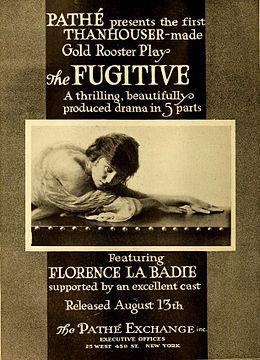
Director's Spotlight: United States
A Deep Dive into the 1916 Vision of Frederick Sullivan
The brilliance of The Fugitive (1916) is inseparable from a monumental shift in cult filmmaking spearheaded by Frederick Sullivan. Occupying a unique space between cult and pure art, it serves as a blueprint for future generations of cult directors.
In The Fugitive, Frederick Sullivan pushes the boundaries of conventional narrative. The film's unique approach to its subject matter has sparked endless debates and interpretations among cinephiles and critics alike.
In this work, Frederick Sullivan explores the intersection of cult and United States cultural identity. The meticulous attention to detail suggests a deep-seated commitment to pushing the boundaries of the medium, ensuring that The Fugitive remains a relevant topic of study for cult enthusiasts.
| Cinematography | Handheld |
| Soundtrack | Diegetic |
| Editing | Rhythmic |
| Art Direction | Naturalist |
Visualizing the convergence of Frederick Sullivan's style and the core cult narrative.
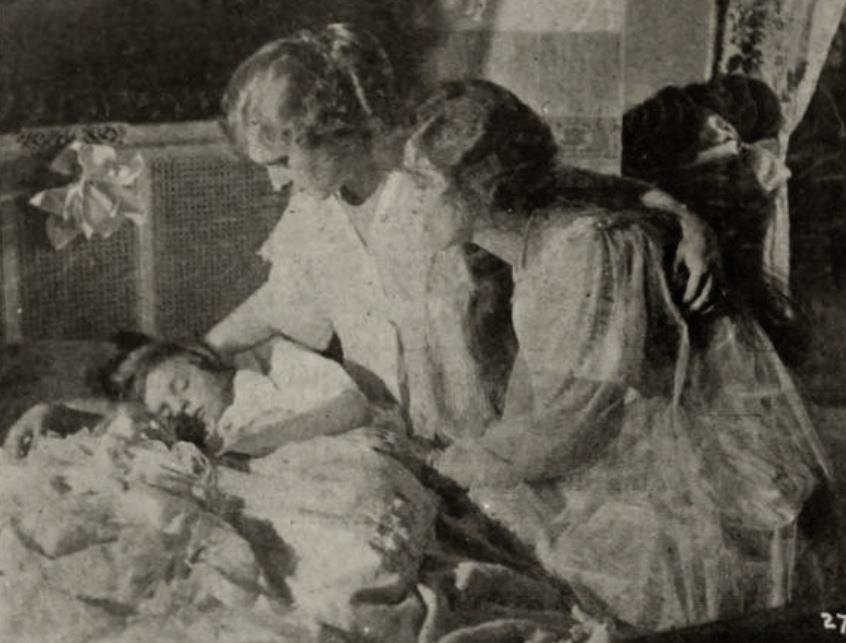
Margery Carew and her widowed sister, Anna Prentice, find work in a brokerage firm, James Gray, the junior partner, soon falls in love with Margery, while his boss, William Cleves, does his best to seduce Anna. In fighting off William's advances, Anna kills him, but Margery, hoping to protect Anna's child, takes the blame and then escapes to the West, after which she gets married and begins a new life. Following a lengthy search, the police manage to track her down, but Margery still refuses to save herself by telling the truth about the murder, even though Anna and her child died several years before in a car crash. Finally, however, because he still loves her and because he has been stricken by a deadly disease that will kill him in a few months, James confesses to the murder, thereby freeing Margery to return to her husband.
Decades after its release, The Fugitive remains a vital piece of the cinematic puzzle. Its influence can be seen in countless modern works, solidifying Frederick Sullivan's status as a master of the craft in United States and beyond.