
DbcultAccessing Vault...
Director's Spotlight
Senior Film Conservator
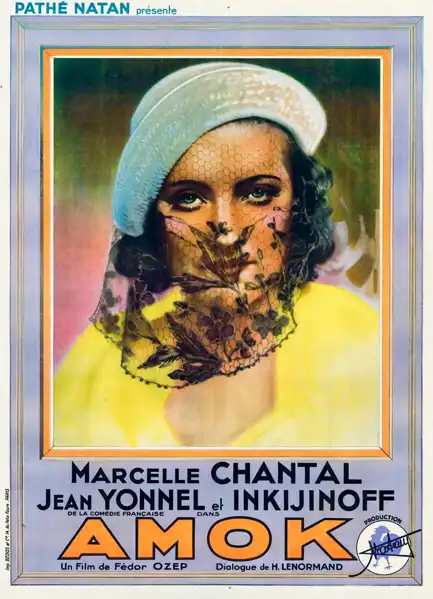
Director's Spotlight: France
A Deep Dive into the 1934 Vision of Fyodor Otsep
The brilliance of Amok (1934) is inseparable from a monumental shift in Drama filmmaking spearheaded by Fyodor Otsep. Occupying a unique space between Drama and pure art, it serves as a blueprint for future generations of Drama directors.
In Amok, Fyodor Otsep pushes the boundaries of conventional narrative. The film's unique approach to its subject matter has sparked endless debates and interpretations among cinephiles and critics alike.
| Cinematography | Handheld |
| Soundtrack | Experimental |
| Editing | Elliptical |
| Art Direction | Expressionist |
Visualizing the convergence of Fyodor Otsep's style and the core Drama narrative.
Dr. Holk leads a lonely life in a small dutch colony in the tropics. Fled from love and civilisation his only companions are alcohol and his work, which takes him to the villages ravaged by dirt, fever, fear and a strange illness turning innocent people into madmen: Amok. One day he receives a visit by the young and beautiful Hèlène Haviland, who asks him to abort her lover's child before her husband returns. Even though Holk is infatuated by her seductive beauty, he haughtily refuses her request. Hélène seeks help from a Chinese practitioner. When Holk - driven by his fevered love and agony - finds her again in a dirty dive, it is already too late.
Decades after its release, Amok remains a vital piece of the cinematic puzzle. Its influence can be seen in countless modern works, solidifying Fyodor Otsep's status as a master of the craft in France and beyond.