
DbcultAccessing Vault...
Director's Spotlight
Senior Film Conservator
Director's Spotlight: France
A Deep Dive into the 1913 Vision of Gaston Roudès
As we revisit the 1913 masterpiece The Rajah's Diamond Rose, we are struck by the atmospheric immersion that Gaston Roudès achieves throughout The Rajah's Diamond Rose. Exploring the nuances of the human condition with cult flair, it solidifies Gaston Roudès's reputation as a master of the craft.
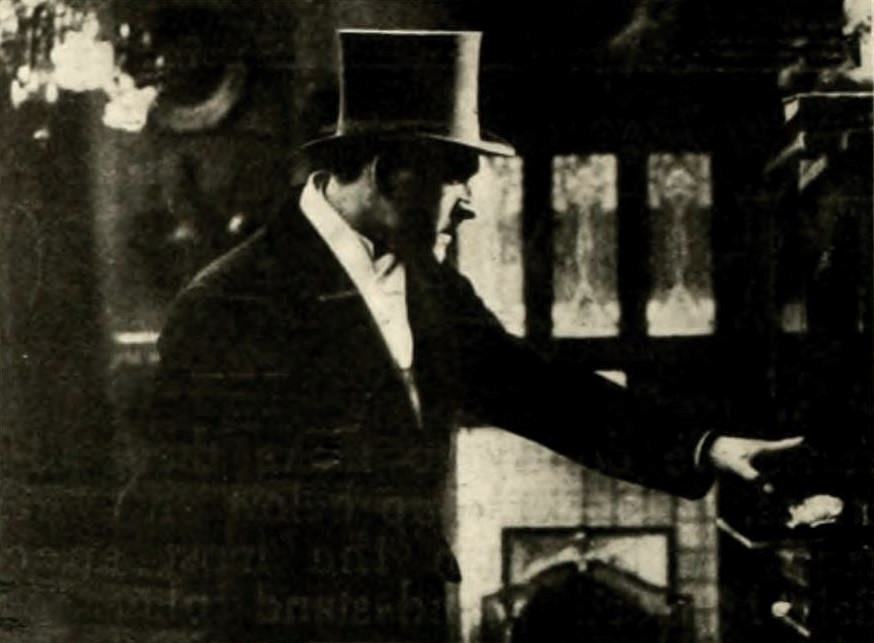
In The Rajah's Diamond Rose, Gaston Roudès pushes the boundaries of conventional narrative. The film's unique approach to its subject matter has sparked endless debates and interpretations among cinephiles and critics alike.
| Cinematography | Deep Focus |
| Soundtrack | Minimalist |
| Editing | Slow-Burn |
| Art Direction | Brutalist |
Visualizing the convergence of Gaston Roudès's style and the core cult narrative.
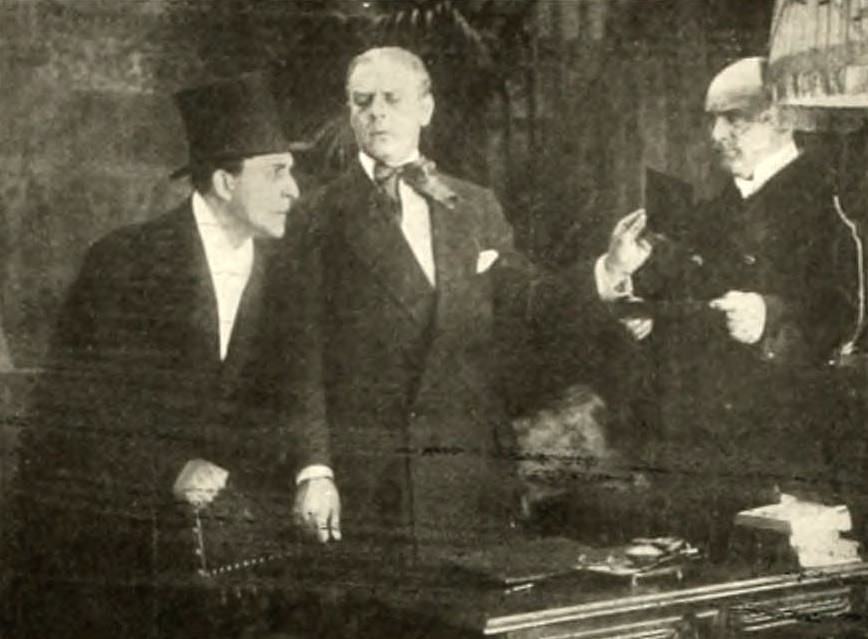
The theme centers about a peculiar method of blackmail practiced by Count Seroff, an apparently wealthy and influential Parisian. The count owns a magnificent diamond rose, which, he claims, was given him in reward for a service performed by an East Indian Rajah. The count keeps the diamond in an oddly-shaped cabinet, which, at the pressing of a spring, easily opens up. Invariably, after heavy gambling losses, the count takes his young acquaintances to his home and manages to leave them alone with the famous diamond. Temptation comes, the spring is pressed, and suddenly a blinding flash reveals a hidden camera. The count, thoroughly scandalized, then offers to sell the negative for a heavy price, that he may give the proceeds to "charity." Around a story of such splendid possibilities, Eclipse has produced a beautiful two-reel subject. A sweetheart of a girl whose brother was blackmailed by the count, promises to marry the young man provided he will steal the count's diamond. This he does, blindly, getting himself into many difficulties for love's sake.
Decades after its release, The Rajah's Diamond Rose remains a vital piece of the cinematic puzzle. Its influence can be seen in countless modern works, solidifying Gaston Roudès's status as a master of the craft in France and beyond.