
DbcultAccessing Vault...
Director's Spotlight
Senior Film Conservator
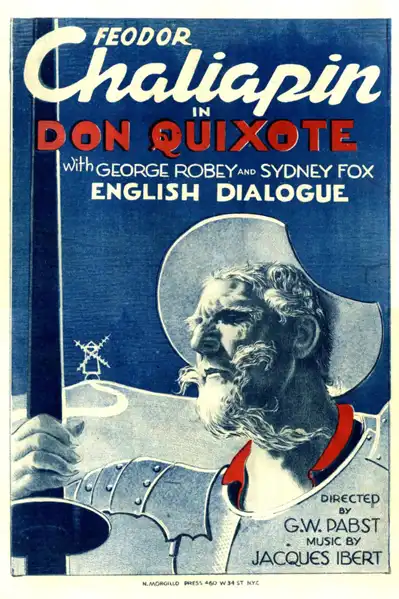
Director's Spotlight: United Kingdom
A Deep Dive into the 1933 Vision of Georg Wilhelm Pabst
The artistic breakthrough represented by Don Quixote in 1933 highlights the uncompromising vision of Georg Wilhelm Pabst that defines this Adventure masterpiece. In the context of United Kingdom's rich cinematic history, it captures a specific kind of cinematic magic that is rarely replicated.
In Don Quixote, Georg Wilhelm Pabst pushes the boundaries of conventional narrative. The film's unique approach to its subject matter has sparked endless debates and interpretations among cinephiles and critics alike.
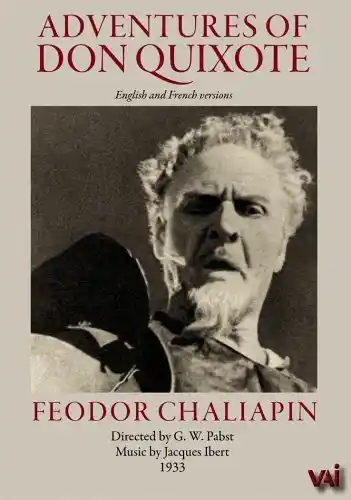
While deeply rooted in United Kingdom, Don Quixote has achieved a global reach, influencing directors from various backgrounds. Its ability to translate Adventure tropes into a universal cinematic language is why it remains a cult staple decades after its 1933 release.
| Cinematography | Deep Focus |
| Soundtrack | Orchestral |
| Editing | Slow-Burn |
| Art Direction | Brutalist |
Visualizing the convergence of Georg Wilhelm Pabst's style and the core Adventure narrative.
In Spain, in the sixteenth century, an elderly gentleman named Don Quixote has gone mad from reading too many books on chivalry. Proclaiming himself a knight, he sets out with his squire, Sancho Panza, to reform the world and revive the age of chivalry, choosing a slut to be his noble lady Dulcinea. He mistakes inns for castles, a play about chivalry for the real thing, flocks of sheep for armies, convicts for wronged prisoners, and windmills for giants. While he and Sancho are off on their adventures, his niece, her fiancee, and the local priest think up a strategy to get him back home.
Decades after its release, Don Quixote remains a vital piece of the cinematic puzzle. Its influence can be seen in countless modern works, solidifying Georg Wilhelm Pabst's status as a master of the craft in United Kingdom and beyond.