
DbcultAccessing Vault...
Director's Spotlight
Senior Film Conservator
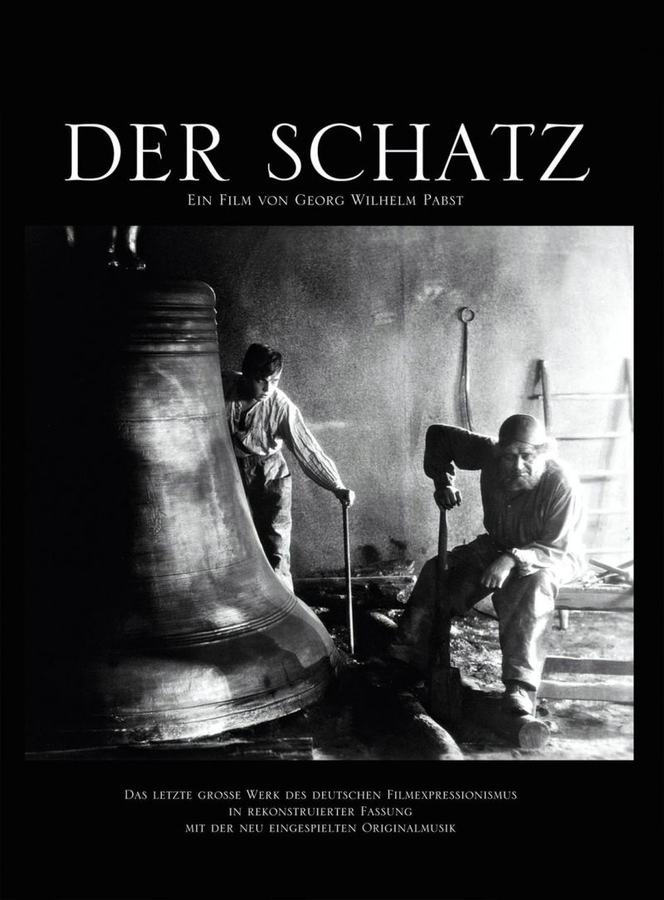
Director's Spotlight: Germany
A Deep Dive into the 1923 Vision of Georg Wilhelm Pabst
Deciphering the layers of The Treasure (1923) reveals a monumental shift in Drama filmmaking spearheaded by Georg Wilhelm Pabst. With its avant-garde structure and atmospheric tension, offering layers of thematic complexity that demand repeated viewing.
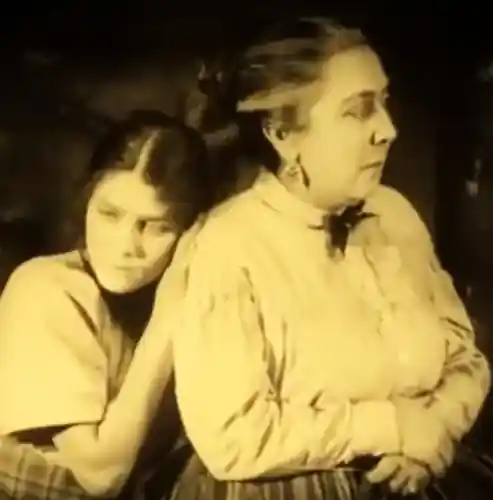
In The Treasure, Georg Wilhelm Pabst pushes the boundaries of conventional narrative. The film's unique approach to its subject matter has sparked endless debates and interpretations among cinephiles and critics alike.
| Cinematography | Deep Focus |
| Soundtrack | Minimalist |
| Editing | Disjunctive |
| Art Direction | Baroque |
Visualizing the convergence of Georg Wilhelm Pabst's style and the core Drama narrative.
In and around a bell maker near Marburg (today Slovenia) people tell the story of a treasure that was hidden during the Turki invasion of 1683, the year the Turkish Army was besieging Vienna. Everybody think it's nonsense except for an old worker there, who feels that the treasure must be in the bell maker's house. A young traveling worker who has fallen in love with the bell maker's daughter Beate makes fun of this, but she convinces him that the old worker is not that nuts. So he starts searching for himself, and soon he finds it, as well as the old worker. He tells his master, who decides, that the young one has to disappear. He and Beate are leaving, while the old worker offers his part of the treasure to the master if he allows him to marry Beate. Beate, after coming home, hears of that and leaves together with the young worker.
Decades after its release, The Treasure remains a vital piece of the cinematic puzzle. Its influence can be seen in countless modern works, solidifying Georg Wilhelm Pabst's status as a master of the craft in Germany and beyond.