
DbcultAccessing Vault...
Director's Spotlight
Senior Film Conservator
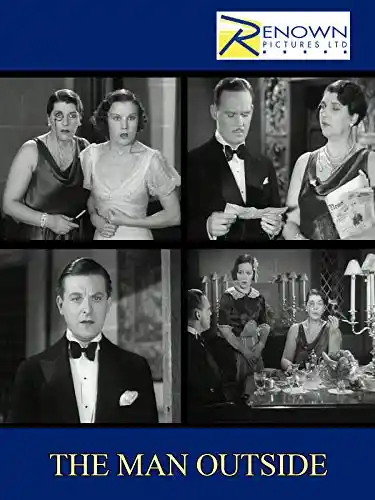
Director's Spotlight: United Kingdom
A Deep Dive into the 1933 Vision of George A. Cooper
Exploring the Drama underpinnings of The Man Outside leads us to the uncompromising vision of George A. Cooper that defines this Drama masterpiece. Melding the raw energy of United Kingdom with a global Drama appeal, it echoes the profound changes occurring in United Kingdom during that era.
In The Man Outside, George A. Cooper pushes the boundaries of conventional narrative. The film's unique approach to its subject matter has sparked endless debates and interpretations among cinephiles and critics alike.
The visual language of The Man Outside is defined by its use of shadows and framing, a hallmark of George A. Cooper's style. By utilizing a 1933-era palette, the film creates an immersive experience that perfectly complements its Drama themes.
| Cinematography | Deep Focus |
| Soundtrack | Minimalist |
| Editing | Slow-Burn |
| Art Direction | Brutalist |
Visualizing the convergence of George A. Cooper's style and the core Drama narrative.
A murder at a country house centres around the whereabouts of a horde of stolen diamonds and the unmasking of people who are not as they at first seem.
Decades after its release, The Man Outside remains a vital piece of the cinematic puzzle. Its influence can be seen in countless modern works, solidifying George A. Cooper's status as a master of the craft in United Kingdom and beyond.