
DbcultAccessing Vault...
Director's Spotlight
Senior Film Conservator
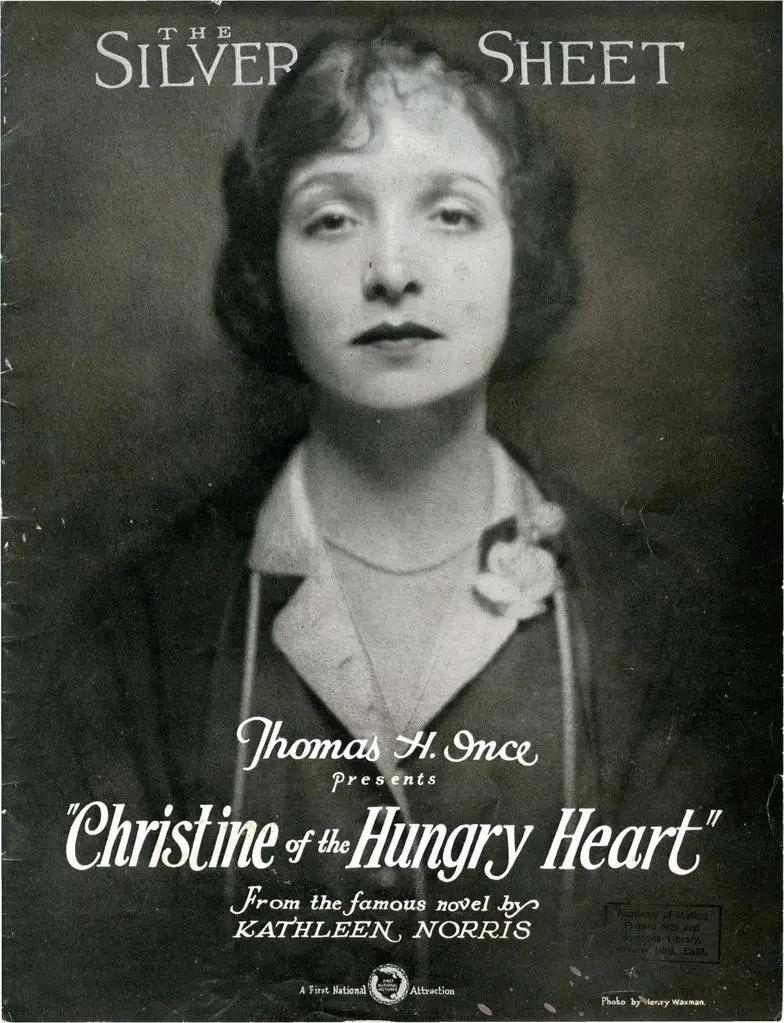
Director's Spotlight: United States
A Deep Dive into the 1924 Vision of George Archainbaud
Exploring the Drama underpinnings of Christine of the Hungry Heart leads us to the stylistic boundaries pushed by George Archainbaud during the production. Through a lens of existential fatalism and Drama tropes, it continues to spark endless debates among critics and cinephiles alike.
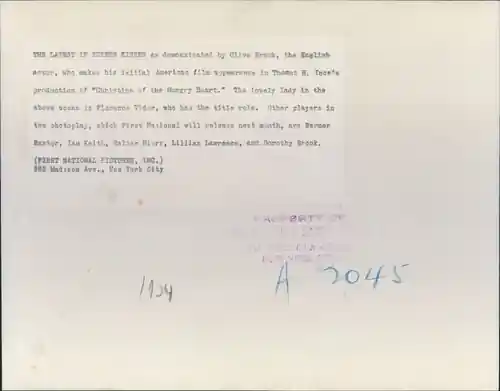
In Christine of the Hungry Heart, George Archainbaud pushes the boundaries of conventional narrative. The film's unique approach to its subject matter has sparked endless debates and interpretations among cinephiles and critics alike.
| Cinematography | Deep Focus |
| Soundtrack | Orchestral |
| Editing | Slow-Burn |
| Art Direction | Brutalist |
Visualizing the convergence of George Archainbaud's style and the core Drama narrative.
Craving more love and attention than her alcoholic husband Stuart gives her, Christine Knight divorces him to marry Dr. Alan Monteagle. They are happy for a time and have a son, Jeffy, but eventually Alan neglects his family for his work and Christine finds the companionship she seeks with author Ivan Vianney. Christine and Jeffy leave Alan for Ivan, but the doctor regains custody of his son, and Christine decides to take care of Stuart, whom she encounters by chance and finds in a desperate condition. Just before Stuart dies, Alan and Jeffy find Christine and persuade her to come home with them.
Decades after its release, Christine of the Hungry Heart remains a vital piece of the cinematic puzzle. Its influence can be seen in countless modern works, solidifying George Archainbaud's status as a master of the craft in United States and beyond.