
DbcultAccessing Vault...
Director's Spotlight
Senior Film Conservator
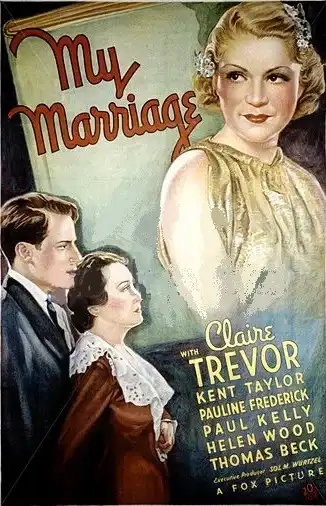
Director's Spotlight: United States
A Deep Dive into the 1936 Vision of George Archainbaud
Few works in United States cinema carry the same weight as My Marriage, especially regarding the technical innovation that George Archainbaud introduced to the Drama format. Subverting the expectations of the typical 1936 audience, it bridges the gap between traditional Drama and contemporary vision.
In My Marriage, George Archainbaud pushes the boundaries of conventional narrative. The film's unique approach to its subject matter has sparked endless debates and interpretations among cinephiles and critics alike.
| Cinematography | Noir-Inspired |
| Soundtrack | Synth-Heavy |
| Editing | Rhythmic |
| Art Direction | Naturalist |
Visualizing the convergence of George Archainbaud's style and the core Drama narrative.
When gangster's bullets put an end to the career of H.J. Barton, underworld gambling czar who masquerades as a respectable member of high society, his daughter Carol is left to bear the brunt of social stigma. Barney Dolan, a policeman friend of Barton, pledges to aid Carol in finding the killers of her father. She attempts to run away from the publicity, but is brought back by her fiancée, John DeWitt Tyler III, aristocratic young society man, and they are married, but his smothering mother, Mrs. DeWitt Tyler II, secretly schemes to destroy the marriage. When Carol asks her husband to choose between her and his mother, he refuses and she leaves him. Roger Tyler, her husband's brother, visits Carol at her hotel and confesses he was forced by the killers to lead them to her father and one of the killers,Marty Harris, breaks into the room...and gunfire ensues.
Decades after its release, My Marriage remains a vital piece of the cinematic puzzle. Its influence can be seen in countless modern works, solidifying George Archainbaud's status as a master of the craft in United States and beyond.