
DbcultAccessing Vault...
Director's Spotlight
Senior Film Conservator
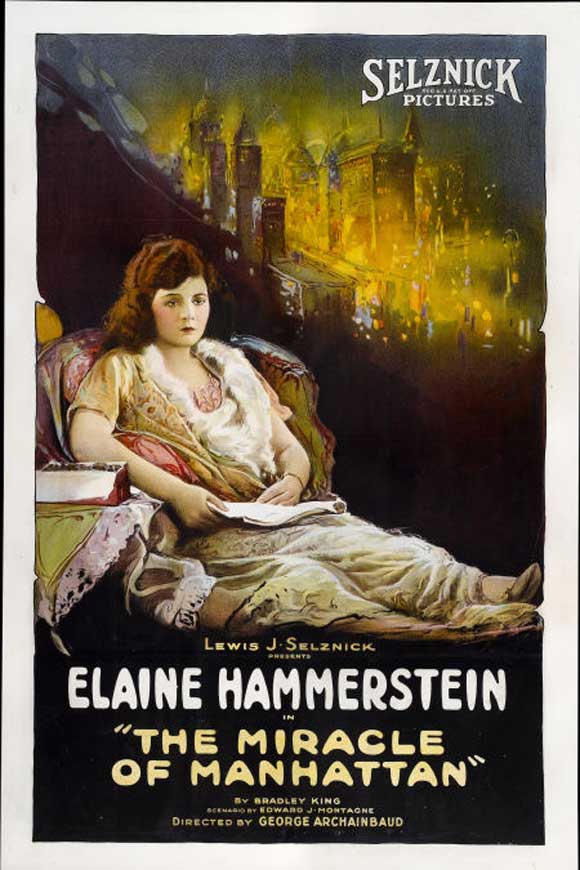
Director's Spotlight: United States
A Deep Dive into the 1921 Vision of George Archainbaud
In the grand tapestry of Drama cinema, The Miracle of Manhattan serves as a bridge between the bold experimentation that has become synonymous with George Archainbaud. Breaking the traditional rules of Drama engagement, it highlights the importance of independent voices in United States.
In The Miracle of Manhattan, George Archainbaud pushes the boundaries of conventional narrative. The film's unique approach to its subject matter has sparked endless debates and interpretations among cinephiles and critics alike.
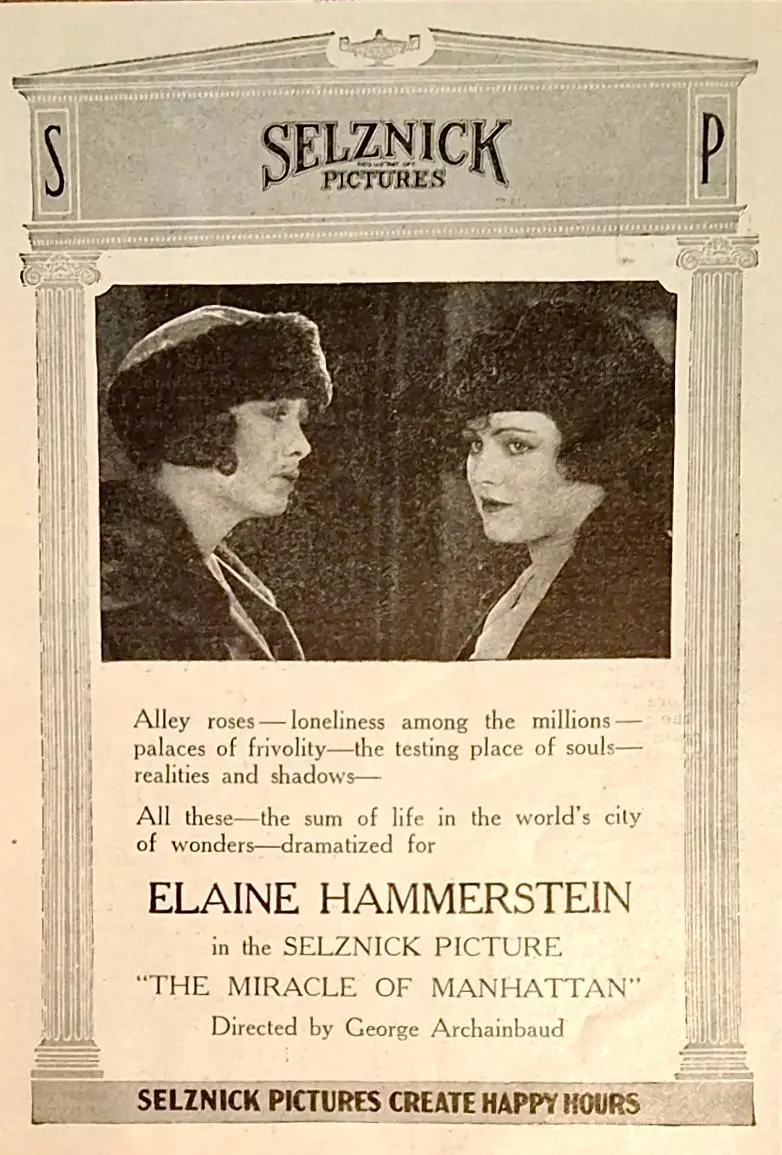
While deeply rooted in United States, The Miracle of Manhattan has achieved a global reach, influencing directors from various backgrounds. Its ability to translate Drama tropes into a universal cinematic language is why it remains a cult staple decades after its 1921 release.
| Cinematography | Deep Focus |
| Soundtrack | Minimalist |
| Editing | Slow-Burn |
| Art Direction | Brutalist |
Visualizing the convergence of George Archainbaud's style and the core Drama narrative.
New York City society girl Evelyn Whitney, engaged to a wealthy young man, determines to prove that she can make her own living on the Lower East Side. After failing as both a factory worker and a waitress, she succeeds as cafe singer Mary Malone, and falls in love with former gang leader Larry Marshall. Stella, a jealous rival, attempts to stab Evelyn and is shot by Larry. Evelyn flees to her home, where she suffers from a lengthy illness. Upon learning that Larry is on trial for murder, she testifies on his behalf and assures his acquittal. Soon after, they are married.
Decades after its release, The Miracle of Manhattan remains a vital piece of the cinematic puzzle. Its influence can be seen in countless modern works, solidifying George Archainbaud's status as a master of the craft in United States and beyond.