
DbcultAccessing Vault...
Director's Spotlight
Senior Film Conservator
Director's Spotlight: United States
A Deep Dive into the 1920 Vision of George Archainbaud
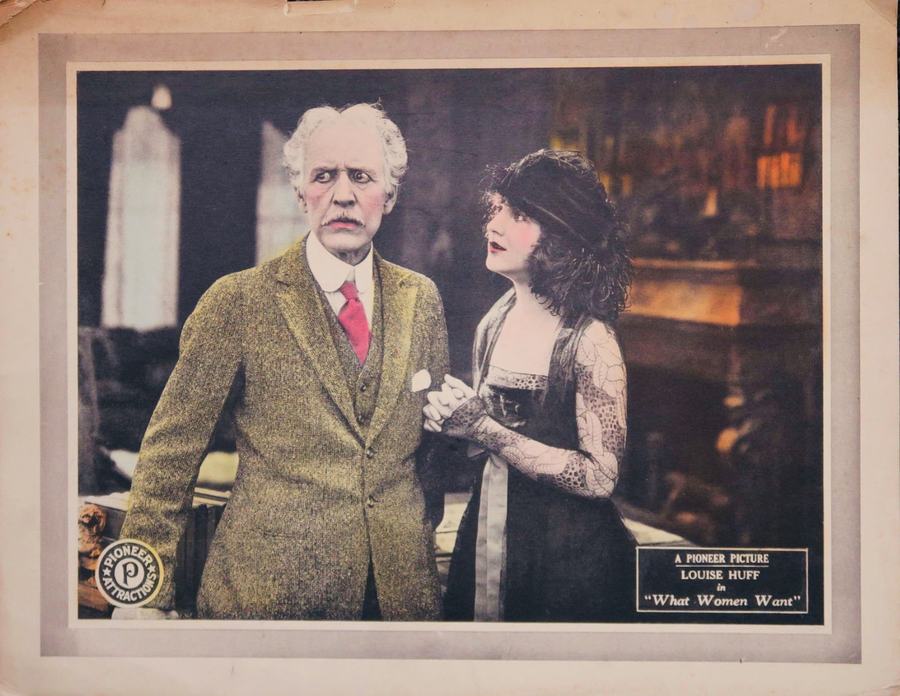
The 1920 release of What Women Want marked a significant moment for the stylistic boundaries pushed by George Archainbaud during the production. In the context of United States's rich cinematic history, it invites us to question our own perceptions of Drama narratives.
In What Women Want, George Archainbaud pushes the boundaries of conventional narrative. The film's unique approach to its subject matter has sparked endless debates and interpretations among cinephiles and critics alike.
To fully appreciate What Women Want, one must consider the cinematic climate of 1920. During this period, United States was undergoing significant artistic shifts, and George Archainbaud was at the forefront of this Drama movement, often challenging established norms.
| Cinematography | High-Contrast |
| Soundtrack | Minimalist |
| Editing | Disjunctive |
| Art Direction | Baroque |
Visualizing the convergence of George Archainbaud's style and the core Drama narrative.
During World War I, young Frenchwoman Francine D'Espard meets U.S. Army officer William Holliday at the front, and they become engaged. Returning to America, William finds his father at the mercy of his business rival, Ezekiel Bates. Shortly after, when Francine arrives in America to marry her fiancé, she is informed that her lover is about to marry Bates' daughter Susan. Her love now turning to hate, Francine devotes herself to the task of destroying her former suitor. Through her connections with the U.S. Secret Service, the two are involved in many adventures, and just as Francine is about to avenge herself, she discovers that Holliday has been true to her the whole time. Upon finding evidence that Bates, in addition to being the cause of all their troubles, has also defrauded the government, Francine has him arrested and finally reunites with her lover.
Decades after its release, What Women Want remains a vital piece of the cinematic puzzle. Its influence can be seen in countless modern works, solidifying George Archainbaud's status as a master of the craft in United States and beyond.