
DbcultAccessing Vault...
Director's Spotlight
Senior Film Conservator
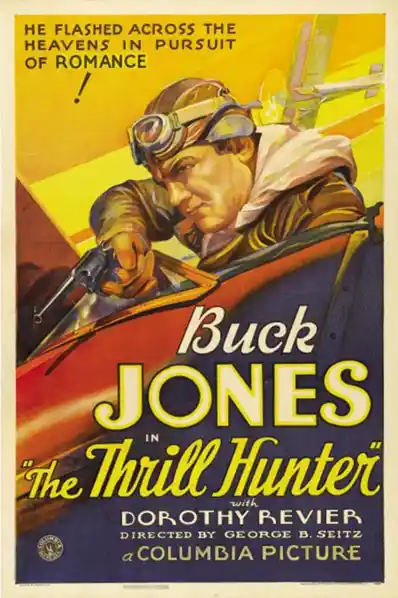
Director's Spotlight: United States
A Deep Dive into the 1933 Vision of George B. Seitz
To understand the modern evolution of United States film, one must first look at The Thrill Hunter and the meticulous attention to detail that George B. Seitz applied to every frame. Reflecting the political and social shifts of the 1933s, it showcases the power of Action as a tool for social commentary.
In The Thrill Hunter, George B. Seitz pushes the boundaries of conventional narrative. The film's unique approach to its subject matter has sparked endless debates and interpretations among cinephiles and critics alike.
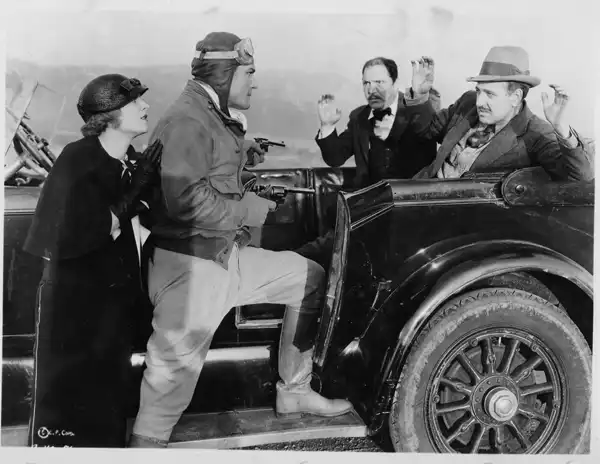
To fully appreciate The Thrill Hunter, one must consider the cinematic climate of 1933. During this period, United States was undergoing significant artistic shifts, and George B. Seitz was at the forefront of this Action movement, often challenging established norms.
| Cinematography | Static |
| Soundtrack | Synth-Heavy |
| Editing | Disjunctive |
| Art Direction | Baroque |
Visualizing the convergence of George B. Seitz's style and the core Action narrative.
Cowboy Buck Crosby is a big blowhard and a liar. His supposedly great race car driving and flying feats gets him invited to co-star with Marjorie Lane in a Western. He survives the auto racing scene but is exposed as a hoax when he tries to fly an airplane. Leaving in shame, he gets a chance to redeem himself when outlaws kidnap Marjorie.
Decades after its release, The Thrill Hunter remains a vital piece of the cinematic puzzle. Its influence can be seen in countless modern works, solidifying George B. Seitz's status as a master of the craft in United States and beyond.