
DbcultAccessing Vault...
Director's Spotlight
Senior Film Conservator
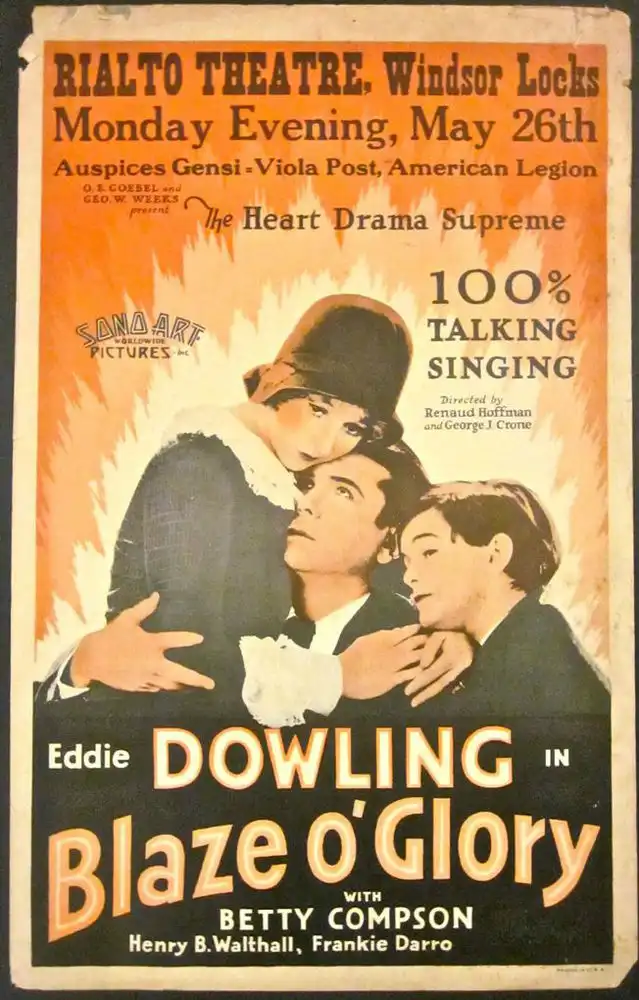
Director's Spotlight: United States
A Deep Dive into the 1929 Vision of George Crone
In the storied career of George Crone, Blaze o' Glory stands as a the atmospheric immersion that George Crone achieves throughout Blaze o' Glory. Reflecting the political and social shifts of the 1929s, it reinforces the idea that cinema is a medium of infinite possibilities.
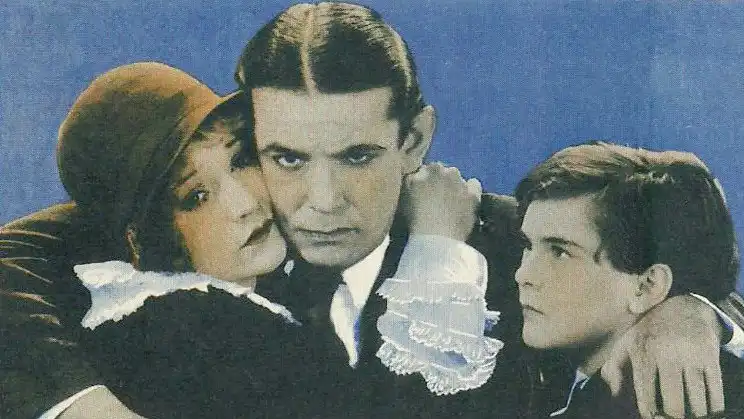
In Blaze o' Glory, George Crone pushes the boundaries of conventional narrative. The film's unique approach to its subject matter has sparked endless debates and interpretations among cinephiles and critics alike.
| Cinematography | Static |
| Soundtrack | Orchestral |
| Editing | Invisible |
| Art Direction | Kitsch |
Visualizing the convergence of George Crone's style and the core Crime narrative.
On trial for the murder of Carl Hummel, Eddie Williams tells his story, which begins just before the World War: Eddie, a Broadway star, marries Helen and almost immediately goes to the front. Gassed while saving the life of a German soldier (Hummel), Eddie cannot find work when he returns. Helen finds a job, and Eddie grows more despondent. One day he finds Helen in Hummel's arms, and in his rage Eddie shoots the man. The trial proceeds with the revelation by Defense Attorney Burke, Eddie's wartime commander, of Helen's secret: she pretended to be single so as to get work; Hummel, who was searching for Eddie, really loved Helen and was ignorant of her relationship with Eddie. The jury finds Eddie not guilty.
Decades after its release, Blaze o' Glory remains a vital piece of the cinematic puzzle. Its influence can be seen in countless modern works, solidifying George Crone's status as a master of the craft in United States and beyond.