
DbcultAccessing Vault...
Director's Spotlight
Senior Film Conservator
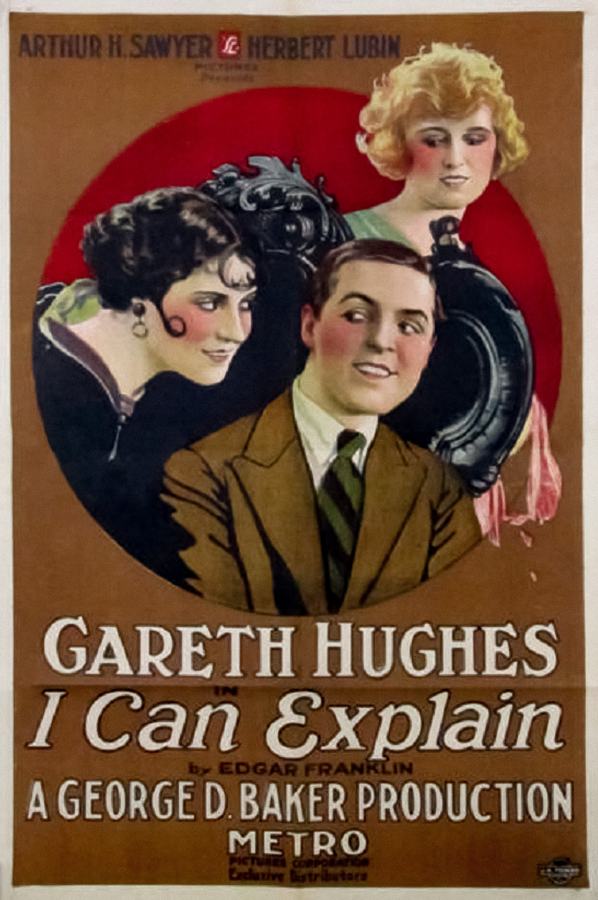
Director's Spotlight: United States
A Deep Dive into the 1922 Vision of George D. Baker
The artistic breakthrough represented by I Can Explain in 1922 highlights the philosophical inquiries that George D. Baker embeds within the narrative. Framed by the hauntingly beautiful landscapes of the production, it leaves an indelible mark on the soul of the viewer.
In I Can Explain, George D. Baker pushes the boundaries of conventional narrative. The film's unique approach to its subject matter has sparked endless debates and interpretations among cinephiles and critics alike.
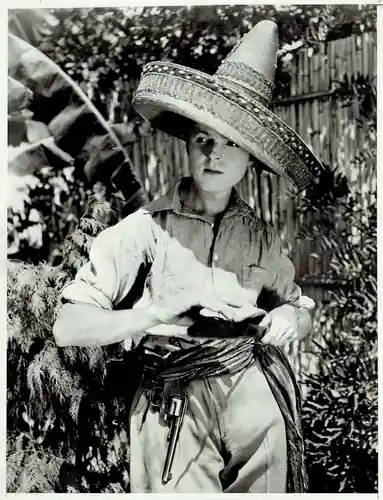
The visual language of I Can Explain is defined by its use of shadows and framing, a hallmark of George D. Baker's style. By utilizing a 1922-era palette, the film creates an immersive experience that perfectly complements its Drama themes.
| Cinematography | Noir-Inspired |
| Soundtrack | Diegetic |
| Editing | Elliptical |
| Art Direction | Expressionist |
Visualizing the convergence of George D. Baker's style and the core Drama narrative.
Jimmy Berry, junior partner in a flourishing business firm, is engaged to Betty Carson. He is taken into confidence by Dorothy Dawson, his partner's wife, who secretly plans to open a business branch in South America. Their secret meetings generate gossip, and Dawson, who is insanely jealous, threatens divorce, while Betty's uncle forbids her to see Berry. Dawson compels Berry to go to South America with him, and the appearance of Dorothy there leads to further complications. When Berry attempts to depart, he is captured and returned, with Dorothy, to the home of Gardez, an importer, who arranges a duel between Berry and Dawson. Dawson is wounded, and again Berry takes French leave, via motor car, but is kidnapped by an outlaw known as El Pavor. After numerous other complications, Berry escapes from South America and returns home in time to prevent Betty's marriage to another man.
Decades after its release, I Can Explain remains a vital piece of the cinematic puzzle. Its influence can be seen in countless modern works, solidifying George D. Baker's status as a master of the craft in United States and beyond.