
DbcultAccessing Vault...
Director's Spotlight
Senior Film Conservator
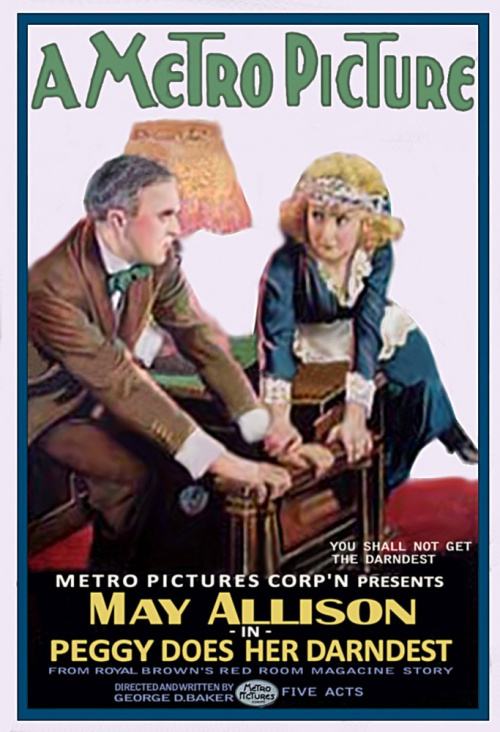
Director's Spotlight: United States
A Deep Dive into the 1919 Vision of George D. Baker
The 1919 release of Peggy Does Her Darndest marked a significant moment for the stylistic boundaries pushed by George D. Baker during the production. In the context of United States's rich cinematic history, it invites us to question our own perceptions of cult narratives.
In Peggy Does Her Darndest, George D. Baker pushes the boundaries of conventional narrative. The film's unique approach to its subject matter has sparked endless debates and interpretations among cinephiles and critics alike.
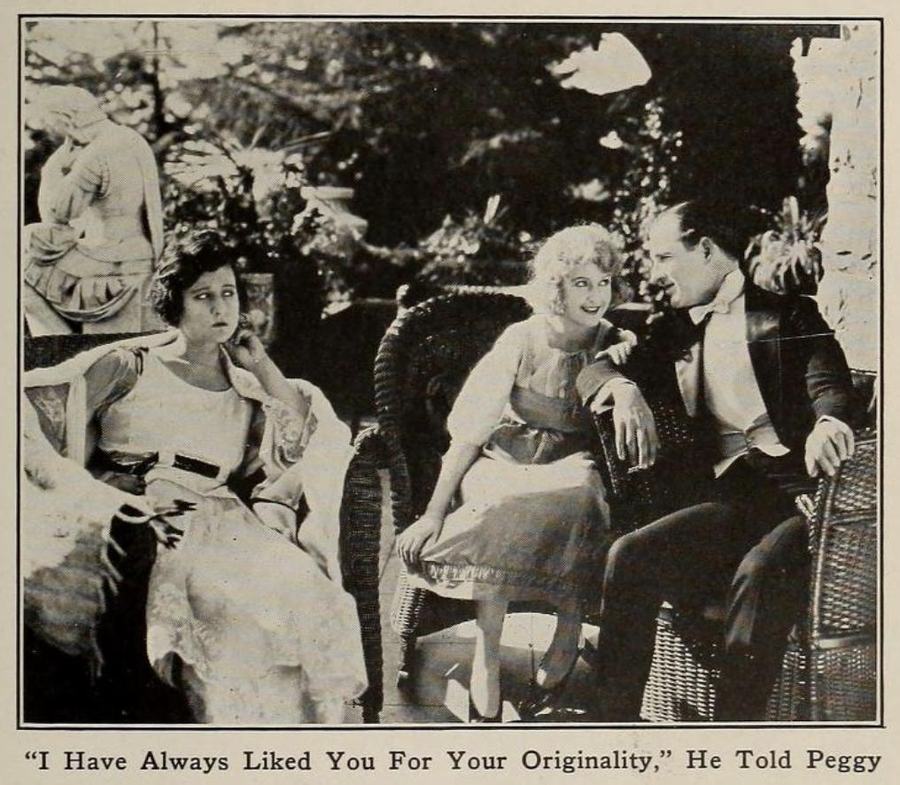
To fully appreciate Peggy Does Her Darndest, one must consider the cinematic climate of 1919. During this period, United States was undergoing significant artistic shifts, and George D. Baker was at the forefront of this cult movement, often challenging established norms.
| Cinematography | Deep Focus |
| Soundtrack | Minimalist |
| Editing | Disjunctive |
| Art Direction | Baroque |
Visualizing the convergence of George D. Baker's style and the core cult narrative.
The Honorable Hugh Wentworth, arriving from England with a valuable diamond to millionaire Edward Ensloe. Ensloe's eldest daughter Eleanor has romantic designs on Hugh, but he is more attracted to her tomboy sister Peggy. Eleanor is concerned with fashion and society while Peggy prefers tomboy pursuits with her younger brother Bob. Hugh stays at the Ensloe house and is amused by Peggy's correspondence course in detective work. After a detective is hired to pose as the butler to protect the rare gem, Peggy disguises herself as the maid and captures prowler "Lonesome Larry" Doyle with the use of jujitsu. Peggy saves the diamond and also wins the love of Hugh.
Decades after its release, Peggy Does Her Darndest remains a vital piece of the cinematic puzzle. Its influence can be seen in countless modern works, solidifying George D. Baker's status as a master of the craft in United States and beyond.