
DbcultAccessing Vault...
Director's Spotlight
Senior Film Conservator
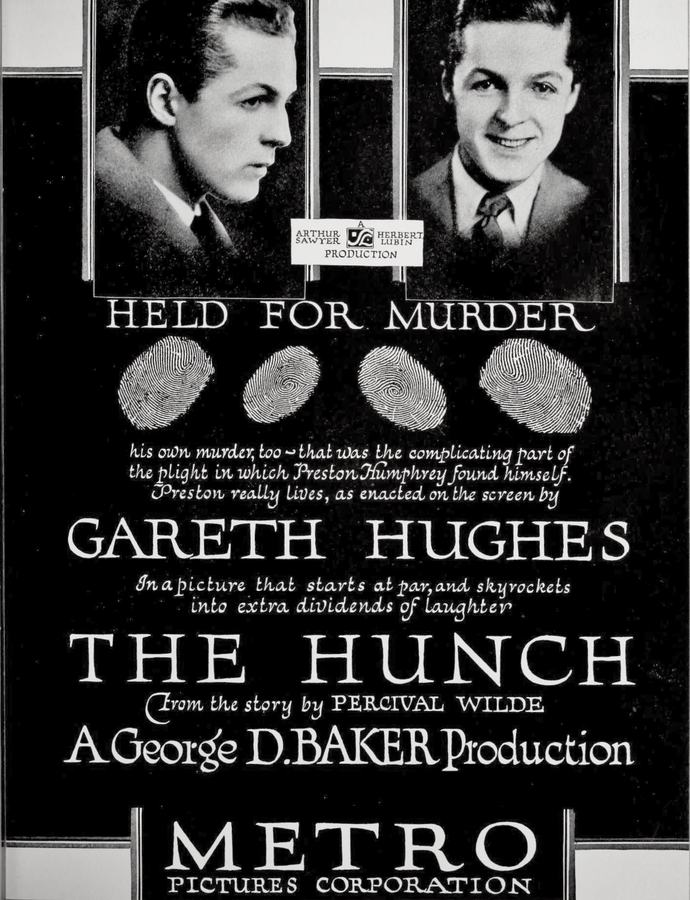
Director's Spotlight: United States
A Deep Dive into the 1921 Vision of George D. Baker
The 1921 release of The Hunch marked a significant moment for the stylistic boundaries pushed by George D. Baker during the production. In the context of United States's rich cinematic history, it invites us to question our own perceptions of Comedy narratives.
In The Hunch, George D. Baker pushes the boundaries of conventional narrative. The film's unique approach to its subject matter has sparked endless debates and interpretations among cinephiles and critics alike.
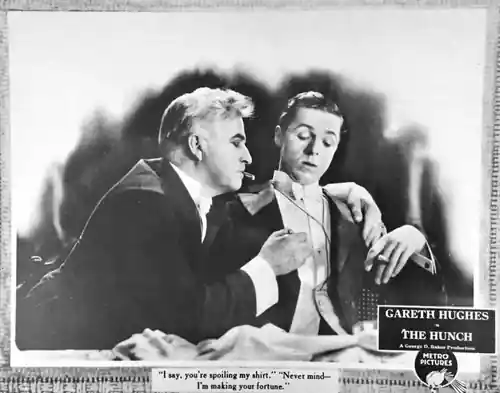
The visual language of The Hunch is defined by its use of shadows and framing, a hallmark of George D. Baker's style. By utilizing a 1921-era palette, the film creates an immersive experience that perfectly complements its Comedy themes.
| Cinematography | Static |
| Soundtrack | Orchestral |
| Editing | Invisible |
| Art Direction | Kitsch |
Visualizing the convergence of George D. Baker's style and the core Comedy narrative.
Following a jovial evening, Jimmy Humphrey awakens in his bathtub to find "Buy Jerusalem Steel" written on his shirt. Playing a hunch, he borrows money from his future father-in-law, John Thorndyke, to buy 5,000 shares. However, the stock falls and John demands that Jimmy make good on the loss. Refusing to give up on his hunch, Jimmy conspires with his fiancée Barbara, and a friend, Taylor, to fake his death by leaving his hat and a bloodstained knife in a conspicuous place. While traveling to the country, Jimmy is set upon by thieves, stripped of his clothing, and outfitted as a tramp. He is then arrested for his own murder, and Barbara and Taylor are charged as accessories. As John is about to post bail for the prisoners, he discovers that Jerusalem Steel's stock has dramatically increased in value. His wealth restored, John gives his blessing to Jimmy and Barbara.
Decades after its release, The Hunch remains a vital piece of the cinematic puzzle. Its influence can be seen in countless modern works, solidifying George D. Baker's status as a master of the craft in United States and beyond.