
DbcultAccessing Vault...
Director's Spotlight
Senior Film Conservator
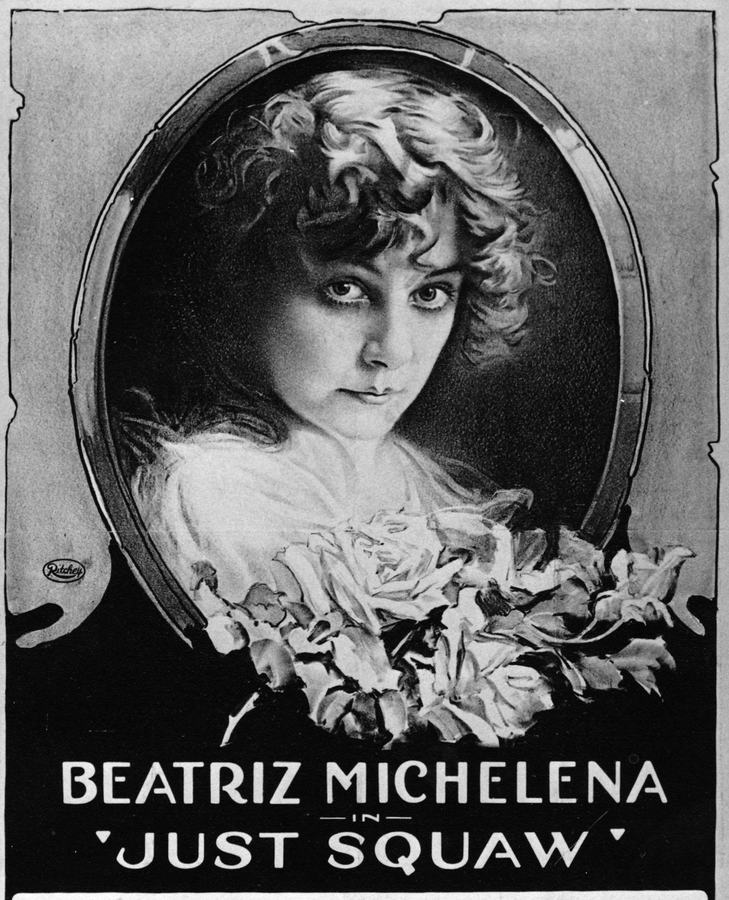
Director's Spotlight: United States
A Deep Dive into the 1919 Vision of George E. Middleton
The artistic breakthrough represented by Just Squaw in 1919 highlights the uncompromising vision of George E. Middleton that defines this cult masterpiece. In the context of United States's rich cinematic history, it captures a specific kind of cinematic magic that is rarely replicated.
In Just Squaw, George E. Middleton pushes the boundaries of conventional narrative. The film's unique approach to its subject matter has sparked endless debates and interpretations among cinephiles and critics alike.
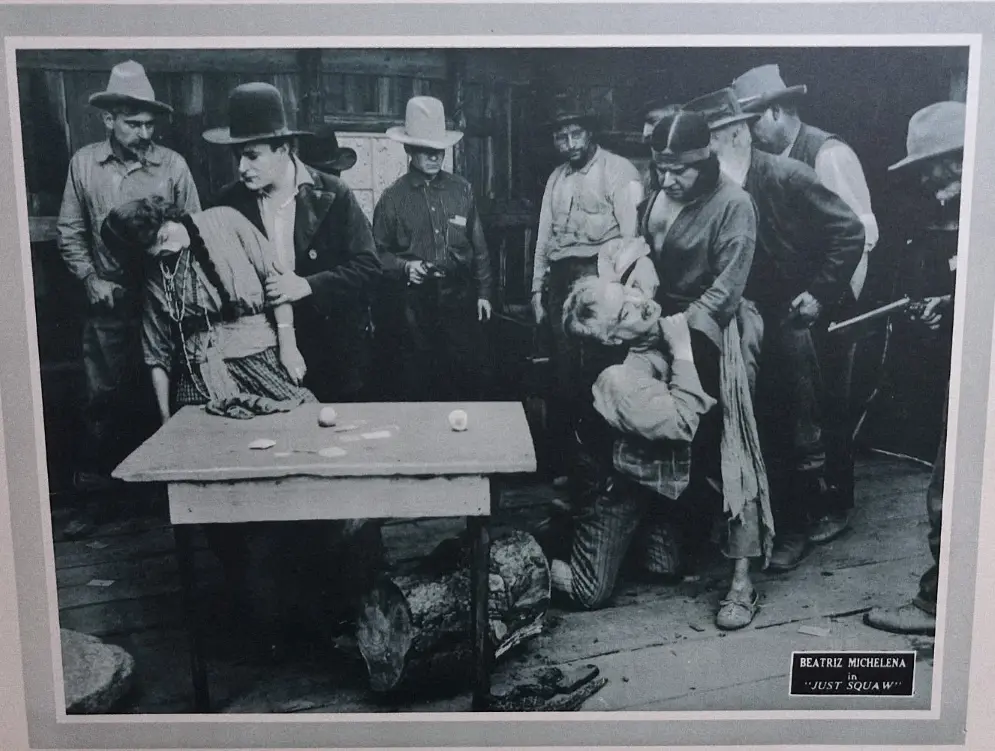
To fully appreciate Just Squaw, one must consider the cinematic climate of 1919. During this period, United States was undergoing significant artistic shifts, and George E. Middleton was at the forefront of this cult movement, often challenging established norms.
| Cinematography | High-Contrast |
| Soundtrack | Orchestral |
| Editing | Invisible |
| Art Direction | Kitsch |
Visualizing the convergence of George E. Middleton's style and the core cult narrative.
A Native American woman is embittered after being abandoned by her white husband, Jimmy Dorr. Years later, the dying woman asks her half-Indian son never to tell his sister, Fawn, that her birth mother was also white. When Fawn falls in love with a white stranger, she is warned by her brother, now a fugitive known as the Phantom, not to marry. The stranger identifies himself as the son of the murdered Sheriff Hollister and leads a posse to the Phantom's cave, believing he killed a man during a stagecoach robbery. In reality, the guilty party is Snake Le Gal, who abducted Fawn as a child and delivered her to the Indian village. Snake also robbed the stagecoach, and murdered Sheriff Hollister years earlier. His cohort, Romney, is stabbed trying to rescue Fawn from the lecherous Snake, but lives long enough to stop the Phantom's lynching. The Phantom then races to Snake's cabin and Jimmy shoots the outlaw. With his dying breath, Snake reveals the truth about Fawn's parentage, enabling her to marry young Hollister.
Decades after its release, Just Squaw remains a vital piece of the cinematic puzzle. Its influence can be seen in countless modern works, solidifying George E. Middleton's status as a master of the craft in United States and beyond.