
DbcultAccessing Vault...
Director's Spotlight
Senior Film Conservator
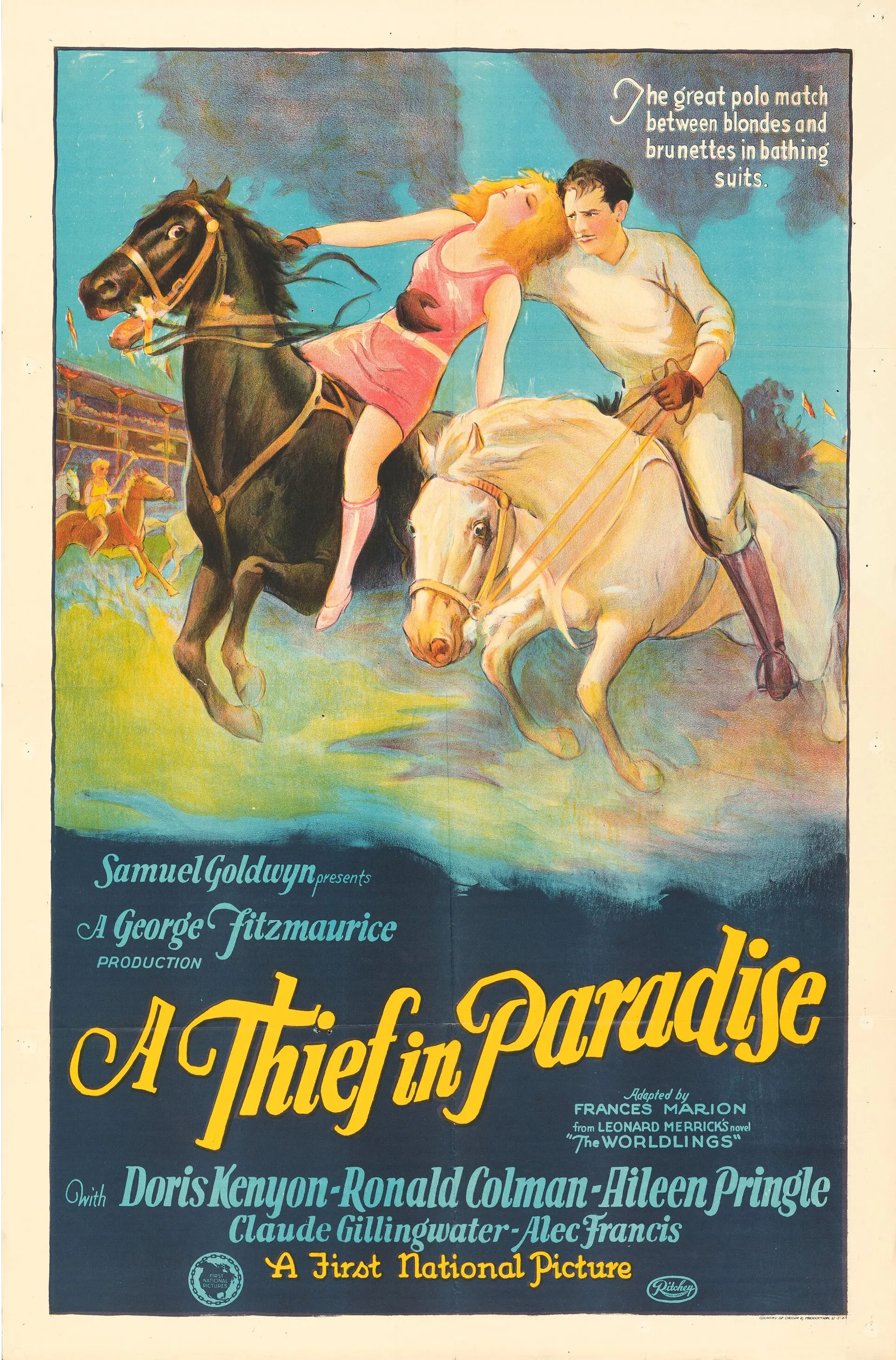
Director's Spotlight: United States
A Deep Dive into the 1925 Vision of George Fitzmaurice
Few works in United States cinema carry the same weight as A Thief in Paradise, especially regarding the technical innovation that George Fitzmaurice introduced to the Drama format. Subverting the expectations of the typical 1925 audience, it bridges the gap between traditional Drama and contemporary vision.
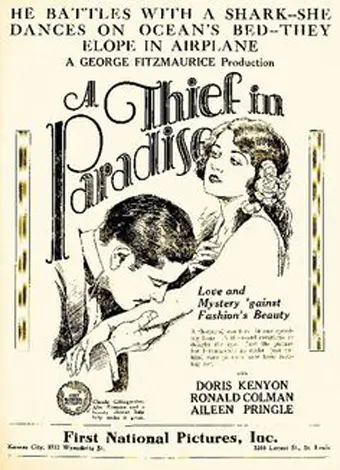
In A Thief in Paradise, George Fitzmaurice pushes the boundaries of conventional narrative. The film's unique approach to its subject matter has sparked endless debates and interpretations among cinephiles and critics alike.
| Cinematography | High-Contrast |
| Soundtrack | Orchestral |
| Editing | Slow-Burn |
| Art Direction | Brutalist |
Visualizing the convergence of George Fitzmaurice's style and the core Drama narrative.
After years of failure, Maurice Blake becomes a beachcomber on an island in the Samoas, earning a risky living by diving for pearls with Philip Jardine, the disinherited son of a San Francisco millionaire. When Philip is killed by a shark, his half-caste common-law wife Rosa informs Maurice that Philip's father has forgiven him, and she persuades him to assume Philip's identity and return to the States. Maurice's impersonation is successful, he is taken to heart by the elder Jardine and falls in love with Helen Saville, Philip's childhood sweetheart. After Maurice reluctantly declares his love, he and Helen are married, but before the contrite Maurice can explain his deception Rosa spitefully tells Helen of his masquerade. Helen leaves him, and he attempts to commit suicide. He is nursed back to health by Helen, who has forgiven him, and is later reconciled to the elder Jardine, who expresses the intention of adopting him. Rosa returns to paradise.
Decades after its release, A Thief in Paradise remains a vital piece of the cinematic puzzle. Its influence can be seen in countless modern works, solidifying George Fitzmaurice's status as a master of the craft in United States and beyond.