
DbcultAccessing Vault...
Director's Spotlight
Senior Film Conservator
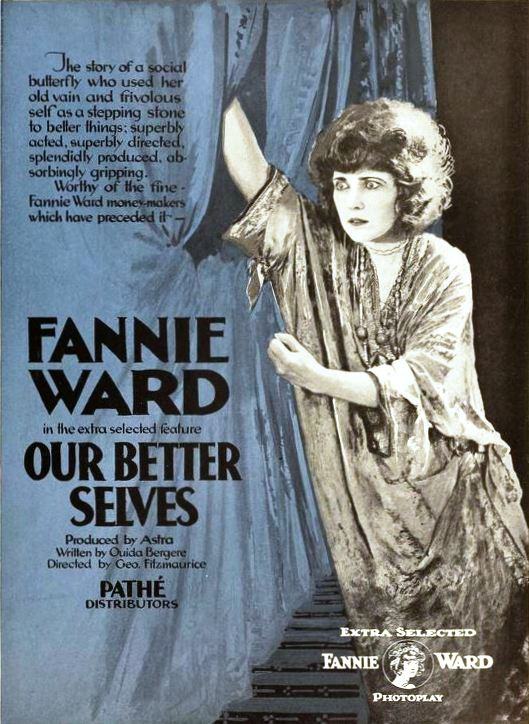
Director's Spotlight: United States
A Deep Dive into the 1919 Vision of George Fitzmaurice
Witnessing the stylistic transformation of cult through Our Better Selves reveals the global recognition that George Fitzmaurice garnered after the release of Our Better Selves. Serving as a mirror to the anxieties of a changing world, offering layers of thematic complexity that demand repeated viewing.
In Our Better Selves, George Fitzmaurice pushes the boundaries of conventional narrative. The film's unique approach to its subject matter has sparked endless debates and interpretations among cinephiles and critics alike.
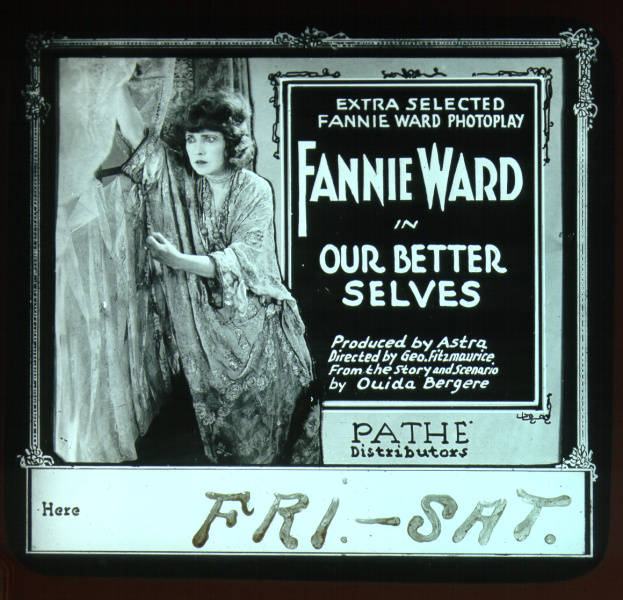
To fully appreciate Our Better Selves, one must consider the cinematic climate of 1919. During this period, United States was undergoing significant artistic shifts, and George Fitzmaurice was at the forefront of this cult movement, often challenging established norms.
| Cinematography | High-Contrast |
| Soundtrack | Diegetic |
| Editing | Rhythmic |
| Art Direction | Naturalist |
Visualizing the convergence of George Fitzmaurice's style and the core cult narrative.
The marriage of a wealthy and frivolous member of French nobility, Loyette Merval, to an American aristocratic idler named Willard Standish, is a loving one, except for their mutual dissatisfaction with Willard's idleness. After Willard becomes a chauffeur, Loyette's subsequent disgust causes him to quit. When the war begins, Willard joins the French Secret Service, while Loyette continues her social life, upset about their separation. After Willard, wounded, hides in a convent, Loyette leaves to find him. As the Germans approach, the nuns escape. Finding Willard alone, Loyette, disguised as a nun, hides him in the altar. Although ordered to be shot, Loyette's air of innocence saves her. When she overhears a plot to have the Allies chase the Germans over a mined hill, Loyette kills the soldier on watch. Although she and Willard are captured and killed, they meet crossing the River Styx and embrace as they sail to eternity.
Decades after its release, Our Better Selves remains a vital piece of the cinematic puzzle. Its influence can be seen in countless modern works, solidifying George Fitzmaurice's status as a master of the craft in United States and beyond.