
DbcultAccessing Vault...
Cult Cinema
Archivist John
Senior Editor
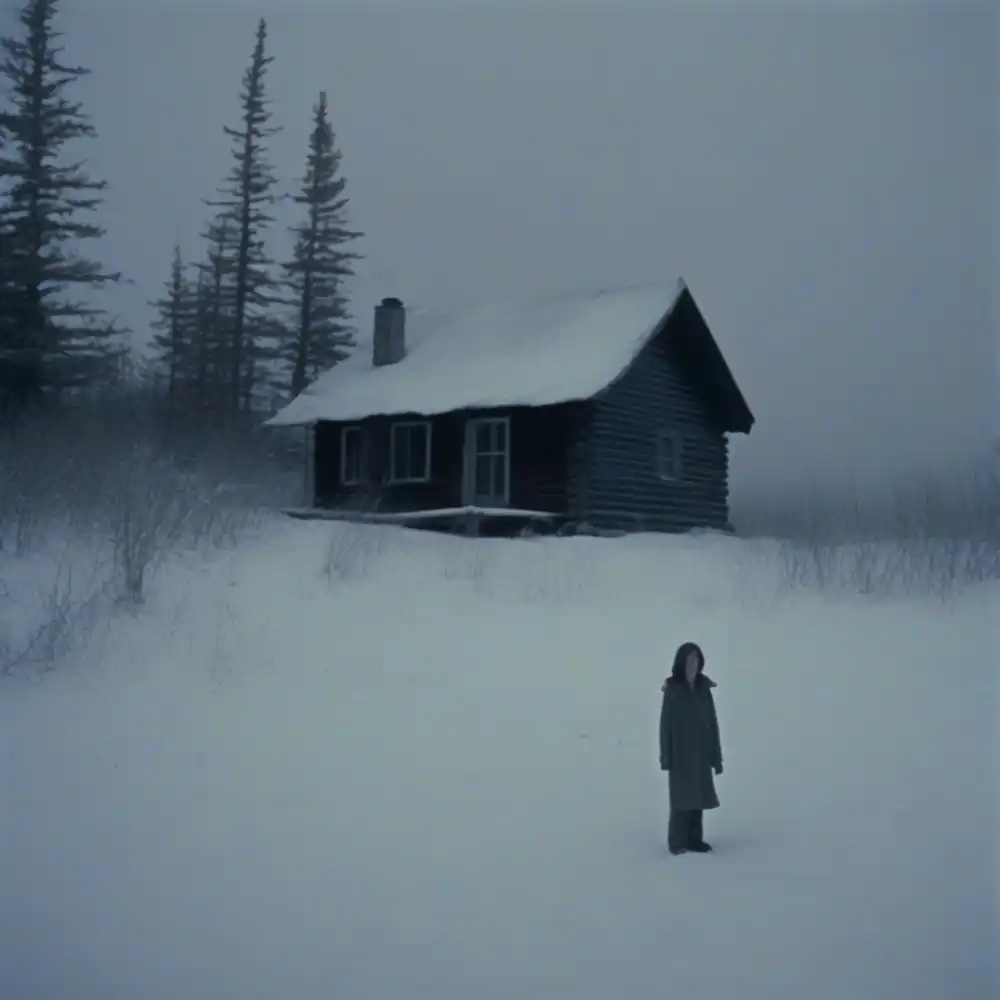
The 1970s were a strange, unkempt beast for cinema, particularly north of the 49th parallel. When we talk about cult film, the conversation often circles back to midnight screenings in American grindhouses or Euro-sleaze from Italian exploitation factories. But for a brief, glorious, and often profoundly disturbing period, Canada became an unlikely crucible for some of the most genuinely unsettling horror films ever made. This wasn't by grand design. It was a byproduct of generous government tax incentives, a financial loophole meant to stimulate a nascent national film industry, which instead inadvertently funded a wave of low-budget, high-concept genre pictures. These 'tax-shelter films' were frequently awkward, sometimes technically inept, but possessed a raw, frigid realism that felt utterly distinct. They lacked the polished cynicism of Hollywood or the flamboyant artistry of European horror, opting instead for a colder, more psychologically gnawing terror. It's time we acknowledge that the inherent flaws of many of these productions, far from being mere defects, are precisely what cemented their enduring, unsettling cult appeal. This awkwardness, this unvarnished quality, makes them feel more authentic, more like a disturbed transmission from an unreliable source, than any slickly produced studio horror.
From 1974 onwards, a series of amendments to Canadian tax laws allowed investors to write off significant portions of their film investments. The goal was to foster Canadian cultural identity on screen. The reality? A rush to churn out any film, often genre fare, that could qualify as 'Canadian content' to maximize those sweet deductions. Producers, many with little genuine filmmaking experience, found themselves with access to funds, creating a wild west of production. The quality control was... minimal. This meant that while auteurs like David Cronenberg were using the system to craft their unique body horror visions – Shivers (1975) and Rabid (1977) being prime examples of intelligent, visceral terror – a host of other, less refined projects emerged. These lesser-known films often stumbled into genuine horror through sheer budgetary constraint and a lack of traditional polish. Their amateurishness wasn't always a weakness; it often lent an air of unsettling veracity, stripping away the comfort of Hollywood artifice. The performances could be stiff, the editing clunky, but the underlying dread felt real, almost accidental.
What truly distinguishes Canadian tax-shelter horror is its pervasive sense of desolation. The settings themselves often feel isolated, cold, and unwelcoming – perfect backdrops for the psychological and physical torment that unfolds. Bob Clark’s Black Christmas (1974), though often credited as a foundational slasher, embodies this chill. The sorority house, ostensibly a place of warmth and sisterhood, becomes a claustrophobic cage. The killer's phone calls, delivered with grotesque, childlike voices, are less about jump scares and more about a sustained assault on sanity. The film’s ending, with Olivia Hussey’s character left alone, still believing her boyfriend is the killer, while the real psycho remains at large in the attic, is a masterclass in unresolved dread. There's no catharsis, just a lingering, icy terror. This refusal to offer a tidy resolution or a triumphant hero is a hallmark. It’s a cynical streak that feels earned, not forced.
Another film that perfectly captures this feeling is William Fruet's Death Weekend (1976), also known as The House by the Lake. This isn't subtle horror; it's a brutal, ugly home invasion picture. The rich couple's isolated lakeside retreat is invaded by a gang of misogynistic thugs. The violence feels raw, unglamorous, almost documentary-like in its unflinching portrayal of sexual assault and psychological degradation. There's a scene where the protagonist, Diane, is forced to strip, and the camera lingers on her fear, not her body, making it profoundly uncomfortable. The film eschews heroics for sheer survival, painting a world where civility is a thin veneer, easily shattered by primal aggression. It’s a film that leaves a mark precisely because it doesn't flinch, even when it probably should, and its low budget contributes to its grime. It’s a rough watch, but undeniably effective at delivering a sense of palpable threat.
While Cronenberg is the undisputed master of Canadian body horror, the tax-shelter era saw other filmmakers, sometimes less intentionally, explore physical grotesquery and psychological decay. George Mihalka's My Bloody Valentine (1981), though slightly after the peak of the tax-shelter boom, still carries its DNA: a small town, a dark secret, and visceral, practical effects. The pickaxe through the eye, the rock drill through the mouth – these moments aren't just gory; they feel deeply personal and agonizing. The film’s practical effects hold up precisely because they aren't trying to be overly stylized; they are designed to shock through sheer, blunt force. But go deeper, into films like Deranged (1974), an American-Canadian co-production directed by Alan Ormsby and Jeff Gillen. This film, loosely based on Ed Gein, is a masterclass in low-budget depravity. The unsettling realism of Roberts Blossom's performance as Ezra Cobb, a Norman Bates-meets-Leatherface figure, is amplified by the grimy, uncomfortable sets. The scene where Cobb digs up his mother’s corpse and tries to preserve her is stomach-churning, not through explicit gore but through the sheer perversity of the act and the character's unhinged dedication. The film’s lack of gloss makes its horror feel less like entertainment and more like a peep into a truly sick mind.
The best tax-shelter horrors don't offer release; they offer a mirror to uncomfortable truths, reflecting a world where horror is less about a monster and more about the corrosion of the human spirit. They are films that linger, not because of jump scares, but because of the sheer bleakness they project.
Beyond the explicit violence, many Canadian tax-shelter horrors excelled at a creeping psychological dread. Peter Medak's The Changeling (1980), while a more polished production and a later example, channels this specific Canadian sensibility of quiet, existential dread. George C. Scott's grieving composer moves into a sprawling, empty house, and the horror slowly unfolds through eerie sounds, unexplained phenomena, and a deep sense of historical injustice. The scene with the bouncing ball descending the staircase, or the séance where the dead child's voice is heard, are not cheap tricks. They are meticulously built moments of terror that play on isolation and vulnerability. This film, though funded towards the end of the tax-shelter era, perfected the chilly, atmospheric ghost story that felt miles away from the bombastic American horror of the same period. It's a film that respects intelligence and patience, letting the horror seep into your bones rather than jump out at you.
Canadian tax-shelter horror, despite often being dismissed as derivative or technically inferior, inadvertently birthed a distinct, colder, and more psychologically bleak subgenre that anticipates later independent horror trends. These films, born from financial opportunism rather than artistic grandiosity, often possessed a raw, unsettling energy that polished productions simply couldn't replicate. They were too strange, too confrontational, too willing to end on a note of despair to ever be mainstream hits. This is precisely why cult audiences embrace them. They represent a brief, unique period where the commercial imperatives of a tax loophole collided with the raw, untamed urges of genre filmmaking, producing a body of work that is imperfect but undeniably potent. We remember them not for their slickness, but for their grit, their unexpected moments of genuine terror, and their refusal to look away from the darker corners of human experience.
Think about how Rituals (1977), an almost forgotten Canadian survival horror, pits a group of doctors against an unseen assailant in the wilderness. It’s less about slasher tropes and more about psychological breakdown and the struggle against an indifferent, hostile environment. The film is grimy, the characters are unlikable, and the ending offers no real closure. It’s a bitter pill, but one that resonates with a certain kind of horror fan who prefers existential dread over explicit monsters. These films often failed to find a broad audience, were poorly distributed, or vanished into VHS obscurity, but that only deepened their cult status. For those of us who scour the depths for something genuinely different, something that feels less manufactured and more unearthed, the tax-shelter horrors of 1970s Canada offer a treasure trove of grim delights. Their enduring power lies in their inability to be anything other than what they are: flawed, fascinating, and utterly disquieting artifacts of a unique cinematic moment.