
DbcultAccessing Vault...
Director's Spotlight
Senior Film Conservator
Director's Spotlight: United States
A Deep Dive into the 1914 Vision of George Fitzmaurice
The enduring fascination with When Rome Ruled is a testament to the artistic risks taken by George Fitzmaurice that eventually paid off. Challenging the viewer to find meaning in the cult shadows, it reminds us of the fragility and beauty of the 1914s.
In When Rome Ruled, George Fitzmaurice pushes the boundaries of conventional narrative. The film's unique approach to its subject matter has sparked endless debates and interpretations among cinephiles and critics alike.
In this work, George Fitzmaurice explores the intersection of cult and United States cultural identity. The meticulous attention to detail suggests a deep-seated commitment to pushing the boundaries of the medium, ensuring that When Rome Ruled remains a relevant topic of study for cult enthusiasts.
| Cinematography | Handheld |
| Soundtrack | Diegetic |
| Editing | Rhythmic |
| Art Direction | Naturalist |
Visualizing the convergence of George Fitzmaurice's style and the core cult narrative.
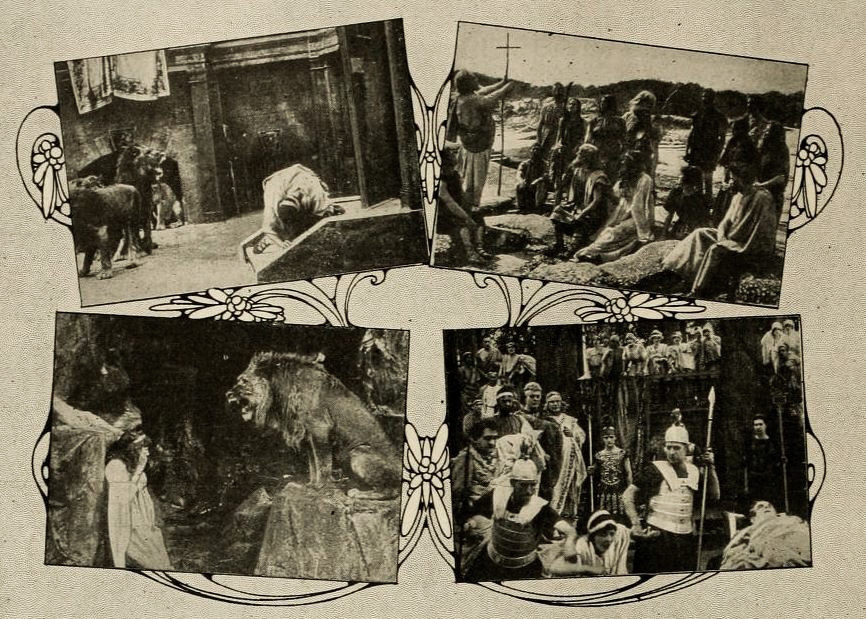
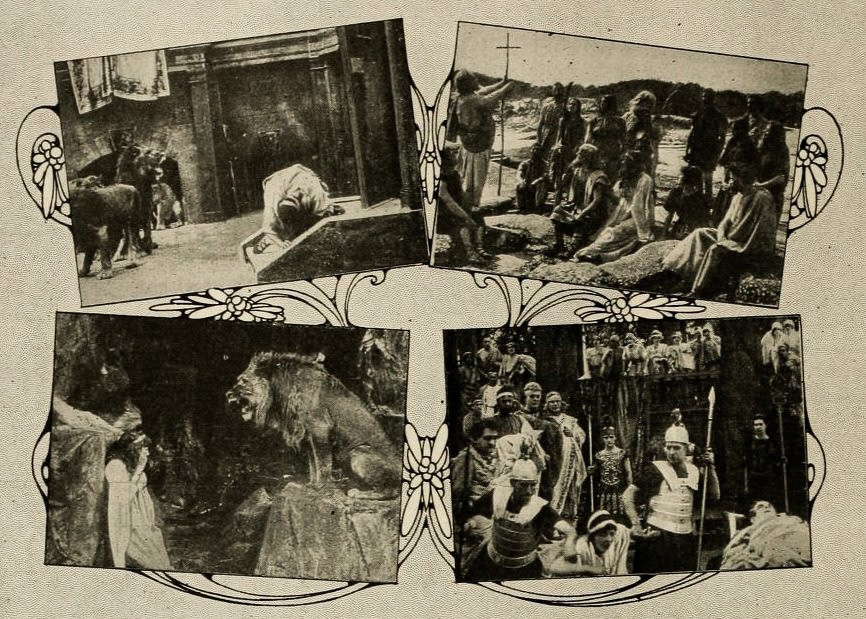
In one of the Roman colonies in North Africa lives with her father a beautiful young Christian girl, Nydia. A high priest of Jupiter, one of the principal Roman gods, sees her and desires to have her for one of the vestal virgins. He sends his attendants to seize her but is prevented by the passing of Caius, the son of the Roman governor. Caius is very much impressed by the beauty of Nydia and after leaving her safely at her home rides on to the court. The high priest, angry at being so easily thwarted, takes some of his attendants and goes to the home of Nydia to seize her. They are not successful although in the struggle Nydia's father is killed and their home is burned. Nydia escapes to the desert and hides in a cave. A shepherd passes and one of his sheep is carried off and eaten by a lion. The cave where Nydia hides is the lair of the lion and she is terrified as he comes in and stands by a rock near her and roars at her. The shepherd goes to the city to get help to kill the wild beast and lands at the palace of Caius just as a large company are celebrating the arrival of the young woman whom Caius is to marry. He leaves the feast and goes to help the shepherd. They find the cave, capture the lion and at the same time discover Nydia. Caius takes Nydia to his father's house and declares his intention of keeping her under his care. His father objects, she being a Christian. In spite of protests Caius places Nydia in a home, where he goes to visit her. On one of his visits he is followed by the high priest and his father. The high priest enters the room and accuses Nydia of seducing Caius. In a struggle that follows Caius kills the high priest. His father has Caius carried off by two attendants. He accuses Nydia of the crime. In spite of her protests she is condemned to be thrown to the lions. Caius' betrothed tells him of the event and he rushes to the lions' den to help Nydia. His betrothed, who has been instrumental in stirring up trouble, opens the door of the den to watch with satisfaction the end of her rival. Caius sees the door open and seizing Nydia, makes his escape. They manage to escape to the desert, where Caius adopts Christianity.
Decades after its release, When Rome Ruled remains a vital piece of the cinematic puzzle. Its influence can be seen in countless modern works, solidifying George Fitzmaurice's status as a master of the craft in United States and beyond.