
Cult Cinema
The Shadowed Hearth: How European Folk Horror Subverted Pastoral Dreams into Cult Nightmares
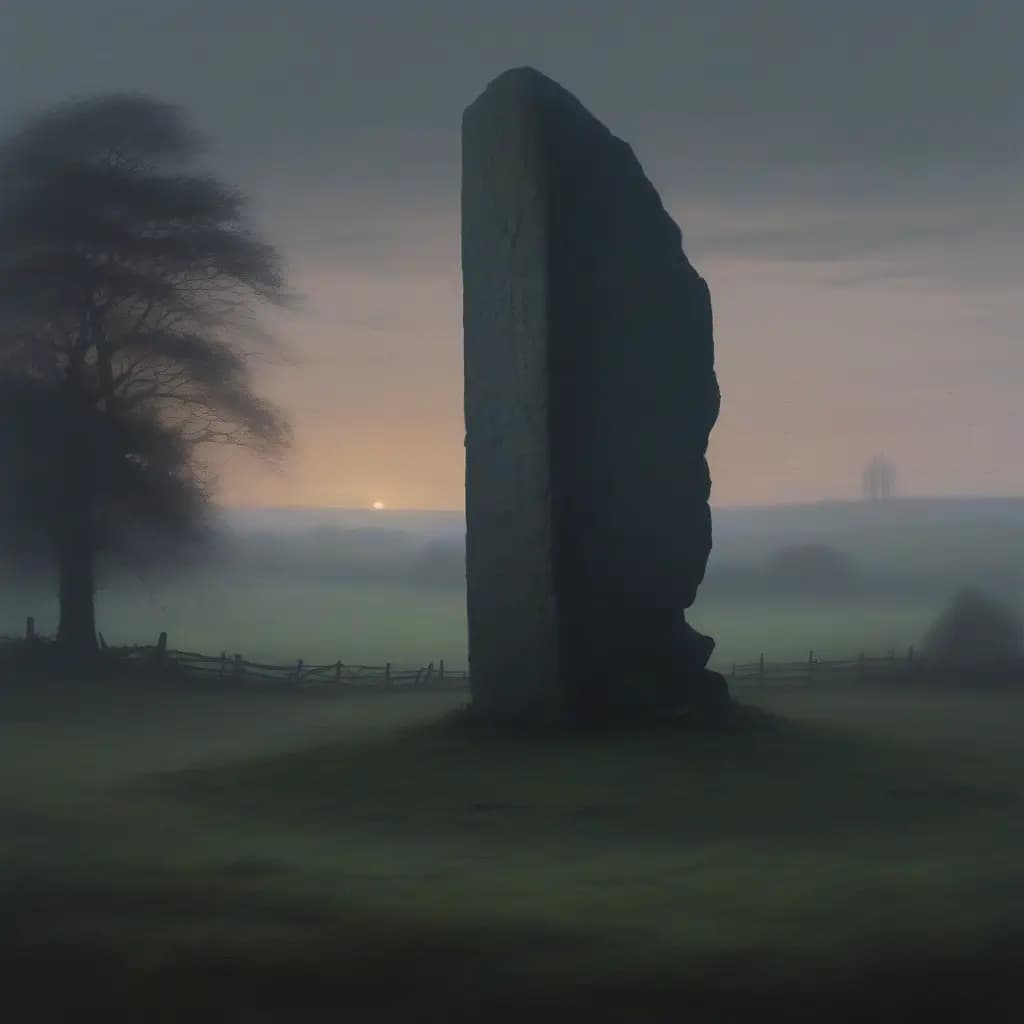
“Journey into the unsettling heart of European folk horror, where idyllic landscapes become stages for ancient evils and pastoral dreams curdle into chilling nightmares. Discover how this distinct subgenre forged its enduring cult status by tapping into primal fears and subverting our deepest comfort…”
There’s a peculiar comfort in the pastoral, isn't there? Rolling green hills, quaint villages, the gentle rhythm of rural life – it’s the stuff of postcards, of escapist fantasies. Yet, for a specific breed of cinematic nightmare, this very innocence is the perfect camouflage for something far more ancient, far more malevolent. We're talking about European folk horror, a subgenre that doesn't just dabble in the macabre but rather strips away the veneer of civilization to expose the raw, atavistic dread pulsating beneath the soil. It’s a cinema of insidious whispers, of sun-drenched terror, where the land itself remembers older gods and darker rituals. For decades, these films, often dismissed or misunderstood upon their initial release, have captivated a devoted following, earning their place as essential cornerstones of the most unsettling and intellectually stimulating corners of the cult film pantheon. They don’t just scare you; they burrow into your psyche, leaving a lasting impression of unease that’s hard to shake. This isn't about jump scares or overt monsters; it's about the slow, agonizing realization that humanity's deepest fears are not found in shadowed alleys, but in the very fields we cultivate, the traditions we inherit, and the communities we trust.
The Unholy Trinity: Britain's Landscape of Looming Dread
No discussion of European folk horror, particularly its foundational elements, can begin without acknowledging the potent, unsettling triumvirate that emerged from Britain in the late 1960s and early 1970s. These films didn't just define a genre; they carved out a psychological space for horror rooted in historical paranoia, pagan resurgence, and the chilling vulnerability of the outsider. At the forefront stands Michael Reeves's 1968 masterpiece, Witchfinder General (released as The Conqueror Worm in the US). Starring a terrifyingly cold Vincent Price, the film plunges into the brutal realities of the English Civil War, where religious fanaticism and superstition ran rampant. Reeves, a young director of immense promise whose life was tragically cut short, crafted a film steeped in historical cruelty, depicting the titular witchfinder, Matthew Hopkins, not as a supernatural entity but as a very human monster, empowered by fear and ignorance. The horror here isn't fantastical; it’s the visceral, unflinching depiction of human evil sanctioned by societal collapse. The picturesque English countryside becomes a backdrop for torture, rape, and murder, a stark subversion of its usual idyllic portrayal. The film's bleakness, its refusal to offer easy answers or moral victories, resonated deeply with a counter-culture audience disillusioned with authority, finding in its uncompromising vision a reflection of real-world atrocities.
Following closely was Piers Haggard's Blood on Satan's Claw (1971), a film that delves explicitly into the resurgence of pagan evil in a 17th-century rural English community. Here, the corruption is insidious, spreading like a fungal infection among the youth, driven by the discovery of a demonic entity in a ploughed field. It's a tale of possession, mass hysteria, and the terrifying power of collective delusion, all set against a backdrop of thatched cottages and ancient woodlands. The film's aesthetic – earthy, grimy, and deeply atmospheric – evokes a primal fear of the unknown, suggesting that the old ways, the dark forces, are merely dormant, waiting for an opportunity to reclaim their dominion. The sense of a community turning in on itself, sacrificing its own children to appease an ancient malevolence, is profoundly disturbing.

And then, of course, there is the undisputed zenith, Robin Hardy's The Wicker Man (1973). This film is the very definition of cult cinema, a masterclass in slow-burn dread and unsettling ambiguity. Sergeant Howie, a devout Christian police officer, travels to the remote Scottish island of Summerisle to investigate the disappearance of a young girl. What he finds is a community that has abandoned Christianity for a vibrant, sensuous, and ultimately terrifying form of paganism. The film's genius lies in its inversion of expectations: the islanders are not ghoulish monsters but beautiful, welcoming, and seemingly benevolent people whose beliefs lead them to a horrifying annual sacrifice. The vibrant folk music, the communal celebrations, the overt sexuality – all combine to create a deeply alluring yet utterly alien world that slowly tightens its grip on Howie. The final reveal, the iconic wicker man itself, is a moment of pure, devastating cinematic power, an image burned into the collective consciousness of horror aficionados. These three films, in their unique ways, established the core tenets of folk horror: a rural setting, a sense of isolation, the clash of old and new beliefs, and an underlying feeling that something ancient and malevolent is stirring just beneath the surface.
Beyond Albion: Continental Echoes of Ancient Evils
While the British films often dominate the conversation, the tendrils of folk horror stretch far across the European continent, each nation contributing its own unique flavor of cultural anxiety and mythological dread. Long before the 'Unholy Trinity,' the very seeds of this subgenre were sown in films like Häxan (1922), a Swedish-Danish silent documentary-drama directed by Benjamin Christensen. This audacious and visually stunning film explores the history of witchcraft, demonology, and hysteria through a series of dramatized vignettes. While not fictional folk horror in the modern sense, its unflinching portrayal of ancient superstitions, torture, and the societal fear of the unknown provides a proto-folk horror blueprint, showcasing how historical beliefs can manifest as genuine terror. Its daring visuals and thematic explorations of human cruelty under the guise of religious fervor mark it as a truly subversive work for its era, laying groundwork for future cinematic explorations of rural dread.
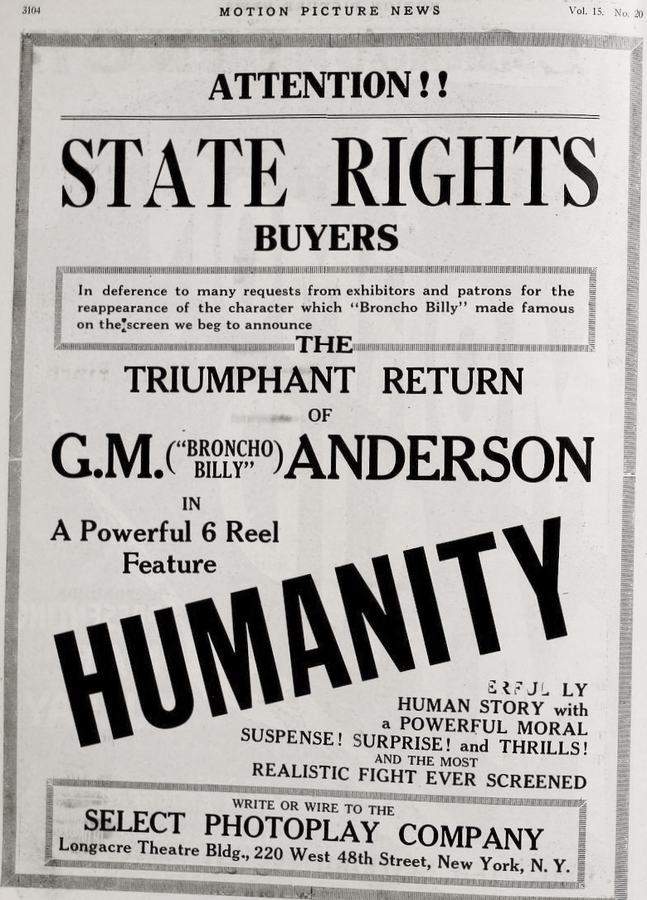
Moving into the Eastern Bloc, we find Viy (1967), a Soviet Ukrainian production based on Nikolai Gogol's novella. This vibrant, hallucinatory film is a direct dive into Slavic folklore, featuring a seminary student forced to spend three nights alone with the corpse of a witch. The film embraces its fantastical elements with gusto, presenting grotesque demons, flying coffins, and the terrifying titular creature, Viy, whose eyelids must be lifted by lesser demons to reveal his gaze. Its vivid, theatrical visuals and reliance on deeply ingrained local mythologies make it a distinct and powerful entry, demonstrating that folk horror isn't solely a Western European preoccupation but a universal human response to the terrifying power of the unknown in the natural world.
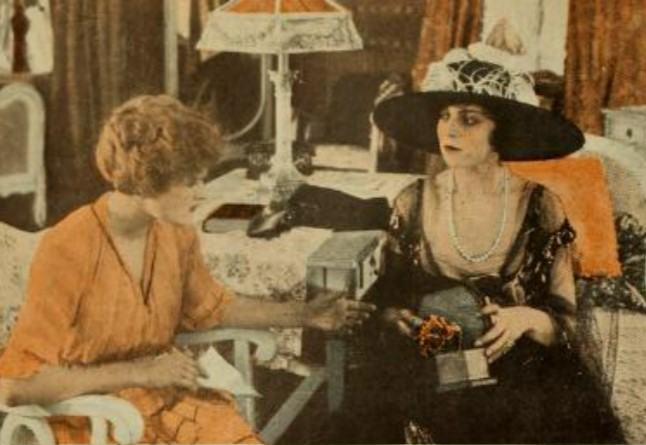
From Czechoslovakia, Valerie and Her Week of Wonders (1970) offers a dreamlike, surrealistic take on the dark fairytale. Jaromil Jireš's film is a gorgeous, unsettling coming-of-age story wrapped in a gothic, ethereal package. It follows a young girl's journey through a world populated by vampires, priests, and predatory figures, blurring the lines between reality and dream. While less overtly about pagan rituals, its exploration of innocence corrupted, ancient evils lurking in beautiful settings, and a narrative logic rooted in folklore and subconscious fears aligns it firmly with the genre's spirit. It's a film that disorients and bewitches, leaving an indelible mark with its unique visual poetry.
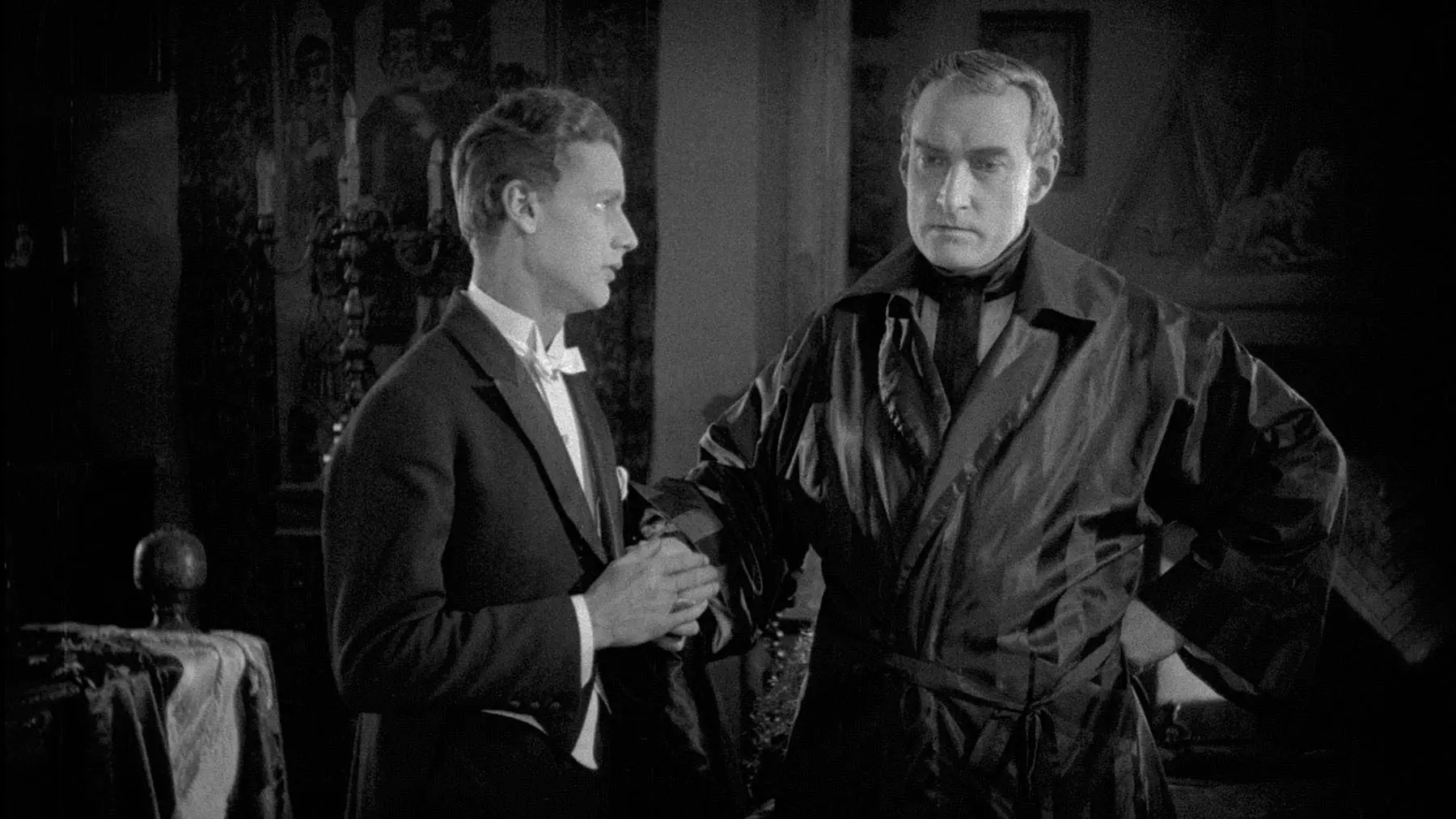
More recently, Estonia delivered November (2017), a breathtakingly bleak and beautiful film steeped in Estonian pagan mythology. Rainer Sarnet’s black-and-white masterpiece weaves together tales of spirits, werewolves, and a love triangle, all set against a harsh, unforgiving rural landscape. The film doesn't shy away from the grotesque or the absurd, depicting personified plagues and animated 'kratts' (magical servants made from household objects). It’s a film where humanity is constantly battling nature, poverty, and ancient supernatural forces, a brutal yet mesmerizing exploration of a unique cultural folklore. These diverse examples prove that European folk horror is a rich, multifaceted tapestry, each thread woven from the specific fears, legends, and landscapes of its origin.
The Architecture of Dread: Landscape as Character
What truly distinguishes European folk horror is its profound understanding of setting, transforming the landscape from a mere backdrop into an active, often malevolent, character. This isn't just about isolation, though that's certainly a key ingredient; it's about the land itself possessing a memory, a primordial energy that predates human memory and morality. The ancient forests, the desolate moors, the windswept islands – they are not empty spaces, but repositories of forgotten histories, dark deeds, and slumbering deities.
The countryside, often romanticized as a place of purity and escape, becomes a suffocating trap, a labyrinth where modern logic and urban sensibilities are utterly useless. The air itself seems to hum with an unseen menace, the rustling leaves whisper ancient curses, and every shadow seems to hold a secret. This deep connection to the earth, this sense of being consumed by the very ground beneath one's feet, is a core psychological weapon of the genre.
In The Wicker Man, Summerisle isn't just an island; it's a self-contained ecosystem of pagan belief, its fertile soil and abundant harvests directly linked to the community's brutal rituals. The land demands sacrifice, and the people willingly oblige. In Blood on Satan's Claw, the very act of disturbing the earth unearths an ancient evil, suggesting that the ground holds more than just crops – it holds malevolent spirits. The characters are not just in a place; they are of the place, inextricably linked to its soil, its seasons, and its sinister past. This contrasts sharply with urban horror, where the threat is often external, a monster or a killer invading a familiar space. In folk horror, the threat is internal, woven into the fabric of the community and the very landscape that sustains it. It is a terrifying realization that the ground beneath your feet might not be stable, but rather a thin crust over an abyss of primeval evil.
Rituals, Relics, and the Rupture of Reality
The heart of European folk horror often beats to the rhythm of forgotten rituals and the chilling echo of ancient beliefs. These films excel at exploring the collision between modern, rational thought and the raw, irrational power of paganism, superstition, and folklore. It's a rupture of reality, where the comfortable certainties of the contemporary world are systematically dismantled by forces that simply refuse to conform to reason.
The Power of Primitive Beliefs
Whether it's the puritanical zealotry in Witchfinder General perverting justice, or the joyous, yet deadly, paganism of Summerisle in The Wicker Man, the genre thrives on depicting belief systems that stand in stark opposition to mainstream society. These aren't just quaint traditions; they are living, breathing, and often brutal philosophies that dictate every aspect of a community's life. The horror emerges from the logic of these systems – a logic alien and horrifying to the outsider, yet perfectly coherent and necessary to the practitioners. The audience is forced to confront the unnerving idea that our own moral compass might be utterly irrelevant in certain contexts, that there are worlds operating on entirely different, terrifying principles.
The Outsider's Descent into Madness
A common trope, and a deeply effective one, is the unsuspecting outsider who stumbles into this world. Their attempts to apply rational thought, to impose order, are met with polite but firm resistance, slowly escalating into outright hostility. Sergeant Howie's unwavering Christian faith in The Wicker Man is not just challenged; it is systematically ridiculed and ultimately exploited. The protagonist's journey is often one of psychological breakdown, as the inexplicable nature of the events around them chips away at their sanity. They are not just physically threatened but spiritually and mentally undone, their worldview shattered by the sheer force of ancient, unyielding evil. This descent into a localized madness, where the rules of the world are rewritten, is a powerful draw for cult audiences who appreciate intellectual horror that lingers long after the credits roll.
Why the Shadowed Hearth Burns Bright: The Enduring Cult Appeal
So, what is it about these films, often slow-paced, visually distinct, and frequently ambiguous, that has cemented their place in the hearts of devotees? It's more than just a passing fascination; it’s a deep, abiding reverence for a subgenre that offers something fundamentally different from mainstream horror. European folk horror speaks to a primal unease, a collective ancestral memory of a time when humanity was more vulnerable to the whims of nature and the darkness within itself.
- Intellectual and Atmospheric Dread: These films prioritize atmosphere, mood, and psychological tension over cheap thrills. They invite active engagement, demanding that the viewer piece together clues, interpret symbolism, and grapple with uncomfortable truths. The horror is often suggested, implied, growing organically from the setting and the characters' interactions, rather than being delivered through predictable jump scares. This appeals to an audience seeking more than just a momentary fright; they crave a lasting sense of dread that provokes thought and discussion.
- Exploration of Societal Anxieties: Folk horror often serves as a mirror to contemporary societal fears. The British films, for instance, emerged during a period of significant social upheaval, reflecting anxieties about tradition versus modernity, religious dogma, and the dark undercurrents of national identity. They tap into a collective discomfort with the past, suggesting that historical traumas and forgotten evils are never truly buried, merely dormant. This resonance with deeper cultural concerns gives them a gravitas that transcends mere entertainment.
- Subversion of Comfort: The most potent aspect is the subversion of the familiar. The pastoral ideal, the innocence of childhood (as seen in Blood on Satan's Claw or Valerie and Her Week of Wonders), the warmth of community – all are twisted into instruments of terror. This betrayal of trust, this turning of comfort into dread, is profoundly unsettling. It challenges our preconceived notions of safety and virtue, forcing us to confront the darkness that can lurk in the most seemingly benign places.
- Rich Symbolism and Ambiguity: These films are often dense with symbolism, drawing from ancient mythologies, religious iconography, and psychological archetypes. Their endings are frequently ambiguous, refusing neat resolutions and instead inviting endless interpretation and re-watching. This open-endedness fosters a vibrant fan community, eager to dissect every frame, discuss every theory, and celebrate the films' enduring mysteries.
- A Sense of Forbidden Knowledge: There's a thrill in discovering these films, especially the more obscure continental entries. They feel like glimpses into forbidden histories, into cultural mythologies that are both fascinating and terrifying. This sense of unearthing something ancient and powerful adds another layer to their cult appeal, making each viewing feel like a ritualistic engagement with cinematic esoterica.
The enduring power of European folk horror lies in its ability to strip away the artifice of modern life, confronting us with the raw, untamed forces that shaped our ancestors' fears. It's a journey not just into the past, but into the darker recesses of the human psyche, reminding us that some nightmares are rooted not in fantastical monsters, but in the very soil we walk upon, the stories we tell, and the traditions we hold dear. These films are not just horror; they are cautionary tales, archaeological digs into the collective unconscious, and profoundly disturbing meditations on humanity's place in a world far older and more mysterious than we often care to admit.
The Lingering Echoes of the Old Ways
The appeal of European folk horror is not merely nostalgic; it's profoundly contemporary. In an age saturated with information, where every mystery seems to have a Google answer, these films offer a refreshing dive into the inexplicable. They remind us that there are still shadows in the world, primal forces that defy rationalization, and communities whose logic operates on an entirely different plane. The fear they evoke is not of a fleeting jump scare, but of a deep, existential dread – the chilling realization that perhaps the old gods never truly died, but merely retreated to the shadowed hearths and ancient groves, waiting for their moment to reclaim what was once theirs. They are cinematic incantations, whispered warnings from the past, ensuring that the pastoral dream remains forever tinged with the possibility of a waking nightmare. This is why the faithful return to them again and again, finding new layers of dread and meaning in their rich, unsettling tapestries. They are more than films; they are experiences, rituals, and enduring testaments to the power of the land and the darkness within the human heart.
Community
Comments
Log in to comment.
Loading comments…