
Film History
The Morality Trap: How Early Cinema’s ‘Educational’ Scandals Birthed the Exploitation Cult
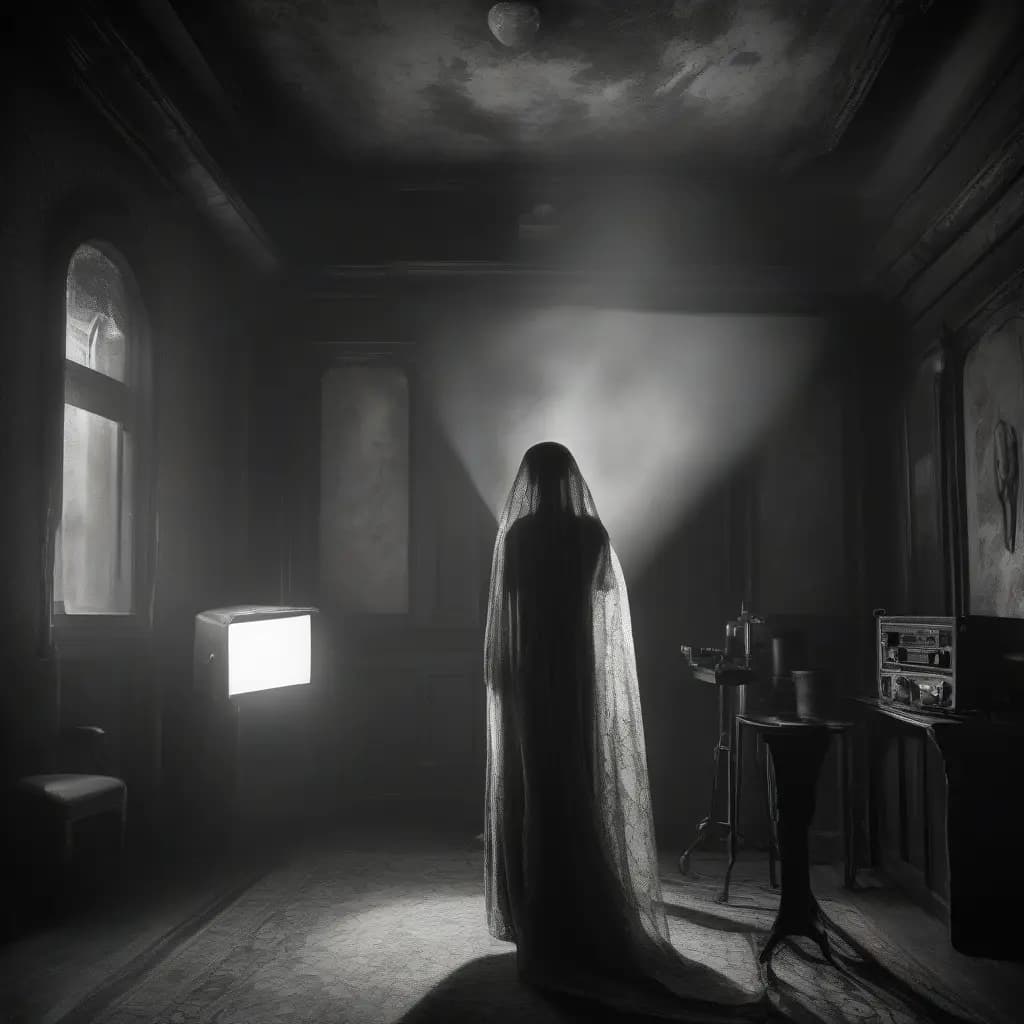
“Before the midnight movie was a ritual, it was a scandal—unmasking the hypocritical 'social hygiene' films of the 1910s that used the guise of education to pioneer the aesthetics of exploitation.”
Long before the term 'cult cinema' was codified in the smoky basements of 1970s Manhattan, a different kind of transgressive ritual was taking place in the flickering nitrate shadows of the early 20th century. It was a ritual born of hypocrisy, fueled by the Victorian era’s dying gasps and the burgeoning curiosity of a modern world. This was the era of the 'Social Hygiene' film—a genre that claimed to educate the masses on the perils of vice while simultaneously providing the most salacious, graphic, and unsettling imagery ever projected on a screen. These were the true ancestors of the midnight movie: films that existed on the periphery of respectability, drawing audiences who were half-terrified and half-enthralled by the 'forbidden' knowledge being offered under the guise of moral instruction.
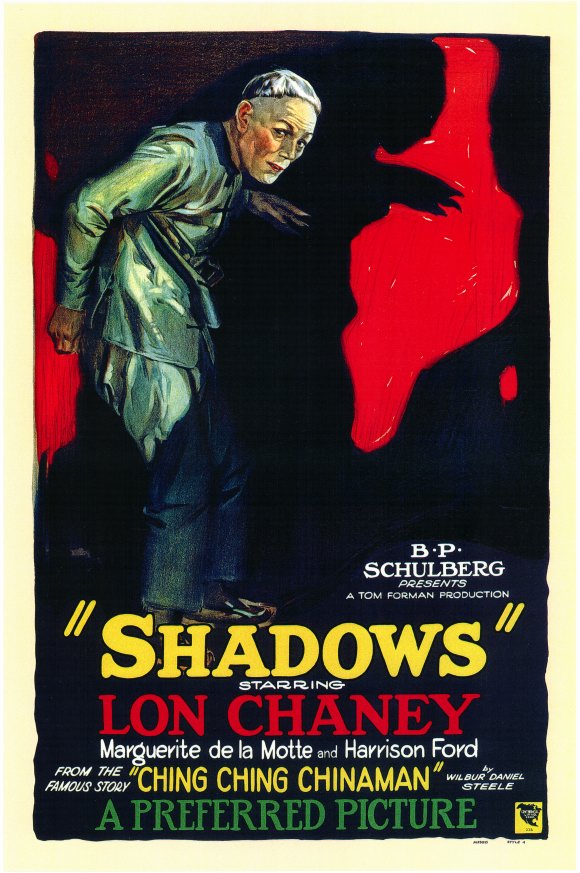
To understand the modern cult obsession with the 'transgressive,' one must first look at the 'Morality Trap.' This was a clever marketing maneuver where filmmakers would present harrowing tales of syphilis, abortion, and criminal depravity, wrapping them in a thin veneer of 'civic duty' to bypass the censors of the day. It created a unique psychological space for the viewer—a space where you weren't just watching a movie; you were witnessing a secret. This sense of being an 'initiate' into a dark truth is the bedrock of cult fandom, and it began with the grainy, hand-tinted warnings of the 1910s and 20s.
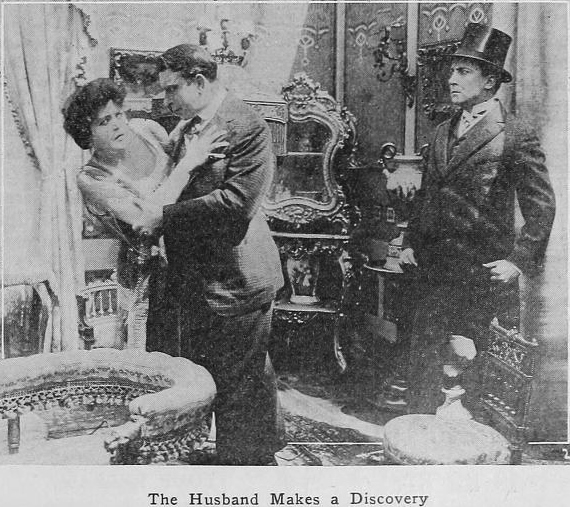
The Cloak of Virtue: Social Hygiene as Proto-Grindhouse
The most potent example of this phenomenon is the German series Es werde Licht! (Let There Be Light!). By the time the fourth installment, Sündige Mütter (Sinful Mothers), hit the screens, the formula was perfected. Ostensibly a film about the dangers of unprotected sexual intercourse and the tragedy of unwanted pregnancies, it functioned as a visceral, often terrifying exploration of the female body and the clinical coldness of the era's medical taboos. For a 1919 audience, seeing the consequences of 'sin' laid bare in such stark, uncompromising detail was a shock to the system. It wasn't just a drama; it was an event that felt dangerous to attend.
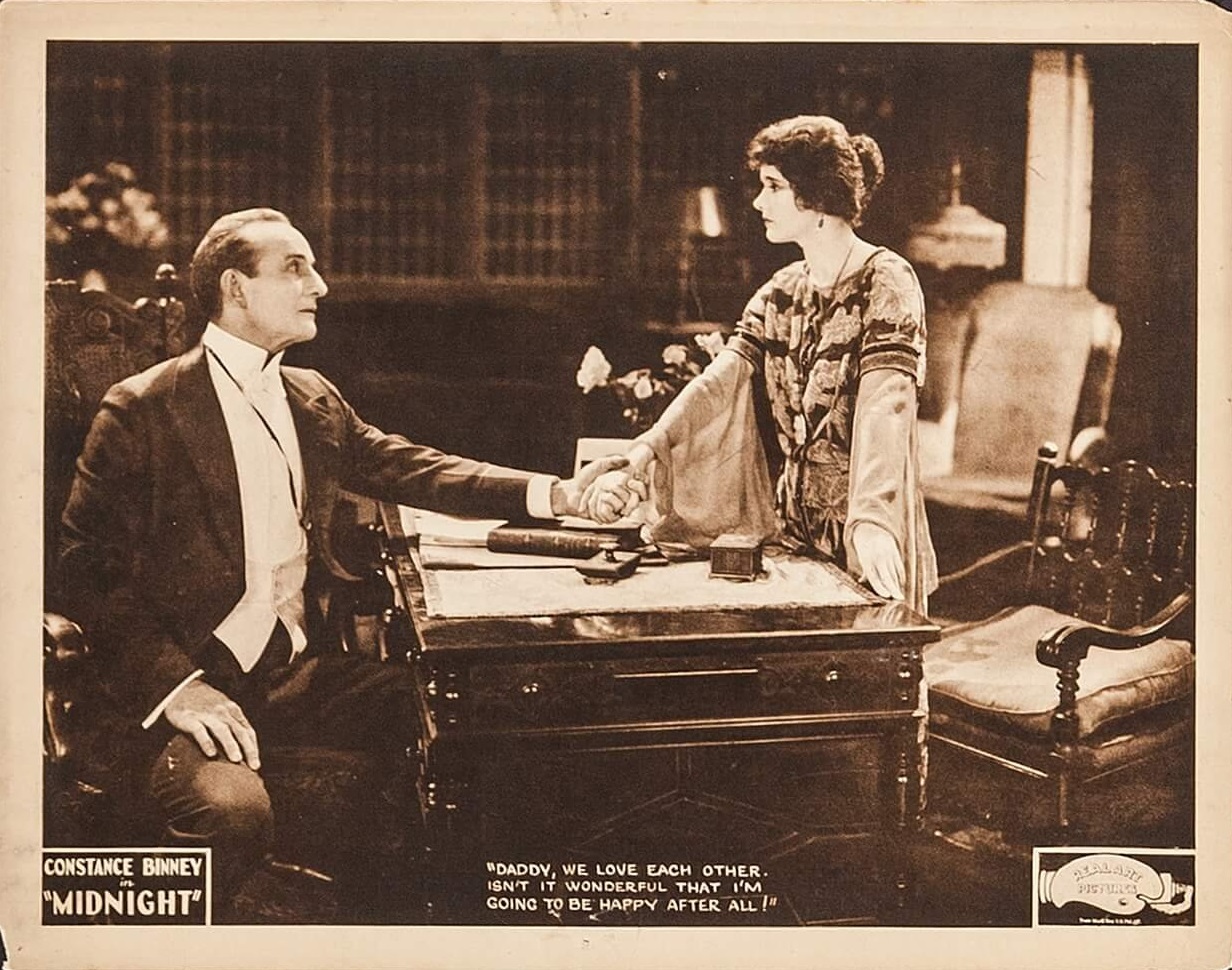
This 'danger' is what transforms a standard film into a cult object. When a movie like Es werde Licht! is banned in certain districts or restricted to 'adults only' screenings, it gains a secondary life. It becomes a whispered-about legend. The 'social hygiene' movement essentially invented the 'forbidden' allure that would later drive the success of films like Reefer Madness or the early works of John Waters. The audience wasn't there for the lecture; they were there for the glimpses of the abyss that the lecture provided.
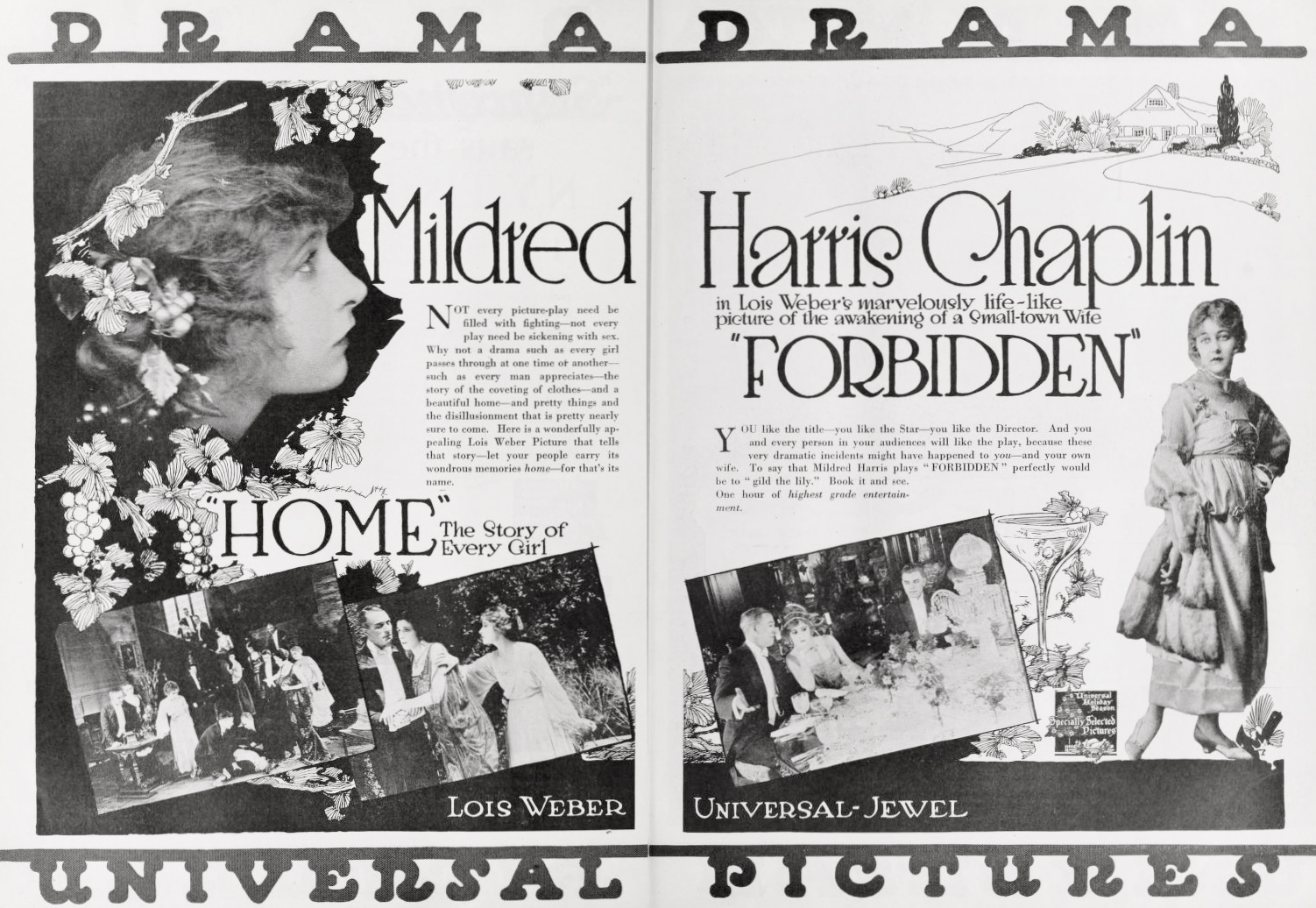
The Architecture of the Taboo: Slums, Prisons, and Lost Souls
Beyond the biological taboos, early cinema fixated on the 'moral rot' of the urban landscape. Films like The Right Way (1921) offered a bifurcated look at the justice system. While it claimed to show the 'correct' path of reform, it spent an inordinate amount of time detailing the 'master criminal' techniques learned in reformatories. It was a how-to guide masquerading as a warning. This duality is a hallmark of the cult aesthetic: the film tells you 'don't do this' while the camera lingers lovingly on the 'doing.'

Consider the grim, atmospheric weight of Le marchand de plaisirs (1923). It presents a world of crushing poverty, alcoholism, and a climactic act of patricide. It’s a drama that feels less like a narrative and more like a descent. The 'cult' of the miserable thrived in these early years because they captured a reality that the 'polite' cinema of the time refused to acknowledge. These films were the 'snuff' films of their day—not in the literal sense, but in their willingness to show the unvarnished, ugly end of the social spectrum. When we look at the 'grimy' aesthetic of 1970s exploitation, we are seeing the direct descendant of these early explorations of the slum and the cell.

- The obsession with 'hidden' lives: From orphans in The Big Adventure to the 'fallen' women of Sapho.
- The fetishization of technology and doom: The submarine blueprints in The Devil at His Elbow representing a looming, mechanical threat.
- The subversion of the pastoral: Westerns like The Hellion that traded heroics for gritty, criminal-led narratives.
The Racial Boundary: Cult Cinema’s Early Confrontations
One of the most potent triggers for 'cult' status is the confrontation of social boundaries that the mainstream is too cowardly to touch. In the early 20th century, race was the ultimate 'forbidden' topic. A film like The Burden of Race (1921) represents a critical moment in the genealogy of the cult film. By depicting a romance between a Black man and a woman of Asian descent, and framing it within the context of 'racial animosity,' the film stepped into a minefield. It wasn't just a movie; it was a provocation.
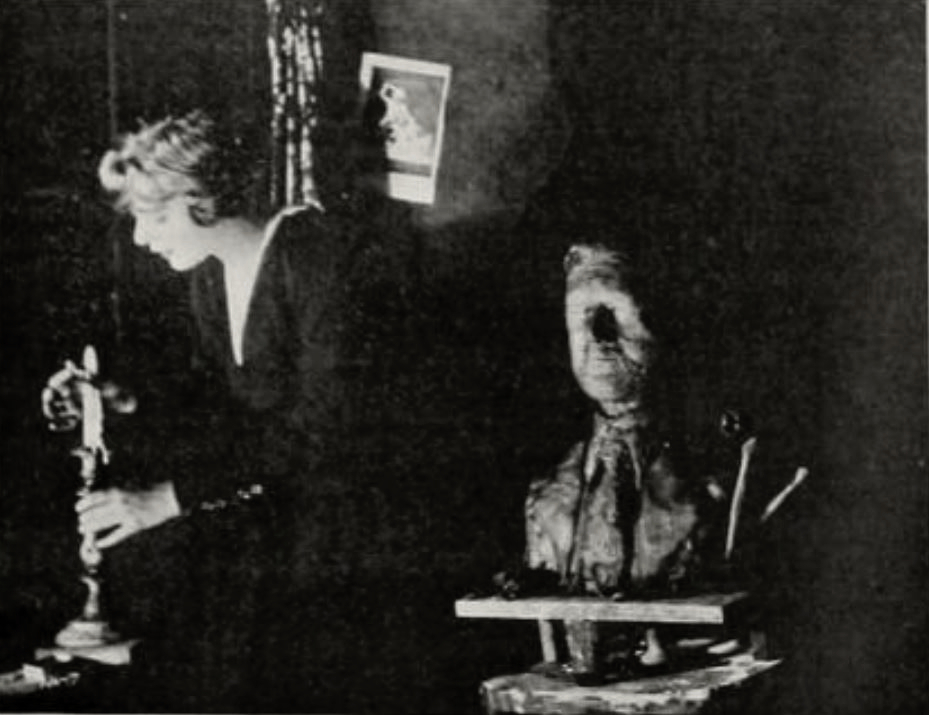
The cult film is often defined by its 'otherness'—its refusal to adhere to the racial and social hierarchies of its time. These early reels were the first to prove that there was an audience hungry for stories that didn't fit the 'Great White Way' narrative.
This hunger for the 'other' is what drives the international cult cinema market today. Whether it’s the visceral body horror of Japanese cinema or the transgressive social dramas of the French New Wave, the seed was planted by these early, often clumsily handled attempts to showcase the 'burden' of identity. They were 'outsider' films for an audience that felt, in some way, like outsiders themselves.
Surrealism and the Logic of the Fever Dream
If the social hygiene films provided the grit, the early 'trick' and fantasy films provided the surrealism that defines the cult experience. Cult movies often operate on 'dream logic'—a rejection of linear, rational storytelling in favor of the bizarre and the inexplicable. We see this in Niobe (1915), where a statue comes to life in the dream of a hen-pecked man, or the sheer, nonsensical chaos of His Jonah Day, where a man is swallowed by a whale and fights an octopus in the same breath.
This disruption of reality is essential. A cult film must feel like it belongs to another world—a world with its own physics and moral codes. When a character in Pace That Kills struggles with a bottle of booze in an animated frenzy, it’s not just a gag; it’s a break from the 'real' world. This 'otherworldliness' is what allows fans to inhabit a film, to quote it, and to treat it as a sacred text. The early silents didn't have the budget for CGI, but they had the imagination to create spaces where the impossible was mundane.
The Ritual of the 'Unseen'
There is a specific thrill in watching something that was 'never meant to be seen'—or at least, something that survived despite the odds. The fragility of nitrate film means that much of this early 'cult' history is lost. This scarcity adds a layer of mysticism. When we watch a fragment of The Pill Pounder (1923), we are engaging in a form of cinematic archaeology. We are looking at a piece of a world that was almost erased. This 'rarity' is a powerful driver of cult devotion; the harder a film is to find, the more 'holy' it becomes to the true believer.
The Legacy of the Leering Lens
The 'Morality Trap' of the 1910s eventually evolved into the 'Pre-Code' era of the early 30s, and later, the grindhouse circuit of the 60s and 70s. But the DNA remains identical. The cult film is, at its heart, a rebellion against the 'proper.' It is a celebration of the fringe, the failure, and the forbidden. Whether it’s the 'educational' horrors of Es werde Licht! or the surrealist slapstick of a man fighting an octopus, these films were the first to realize that the most loyal audience is the one that is being told 'look away.'
As we navigate the endless digital archives of modern cinema, we must remember that our desire for the 'weird' and the 'transgressive' didn't start with VHS tapes or internet forums. It started in the dark, with a hand-cranked projector and a film that promised to 'save your soul' while showing you exactly how to lose it. The cult cinema experience is a conversation with these ghosts—a recognition that the shadows of the past are just as vibrant, dangerous, and intoxicating as the neon-soaked nightmares of today.
The next time you find yourself at a midnight screening, or diving into a deep-web archive of forgotten 'trash' cinema, remember the 'sinful mothers' and the 'pill pounders.' They were the first to set the trap, and we have been happily falling into it for over a century. The cult is eternal because the human desire to peek behind the curtain of morality is never satisfied. We don't want the light; we want the flicker.
Community
Comments
Log in to comment.
Loading comments…