
Film History
The Celluloid Scourge: Why the Brutal Transgressions of 1910s Cinema Still Scar the Modern Mind
“Long before the midnight movie was born, the 1910s were churning out works of visceral revenge and social deviance that make modern horror look tame.”
There is a persistent, almost condescending myth that early cinema was a playground of chaste romance and flickering slapstick—a world where every villain twirled a mustache and every heroine was saved by a locomotive-dodging hero. But if you peel back the layers of dust and nitrate decay, you find something far more jagged. The 1910s and early 1920s weren’t just the birth of the medium; they were the birth of the transgressive impulse. Long before the term 'cult film' was even a whisper in the back of a smoky theater, directors were experimenting with the kind of psychological brutality and social deviance that would eventually form the DNA of the midnight movie circuit.
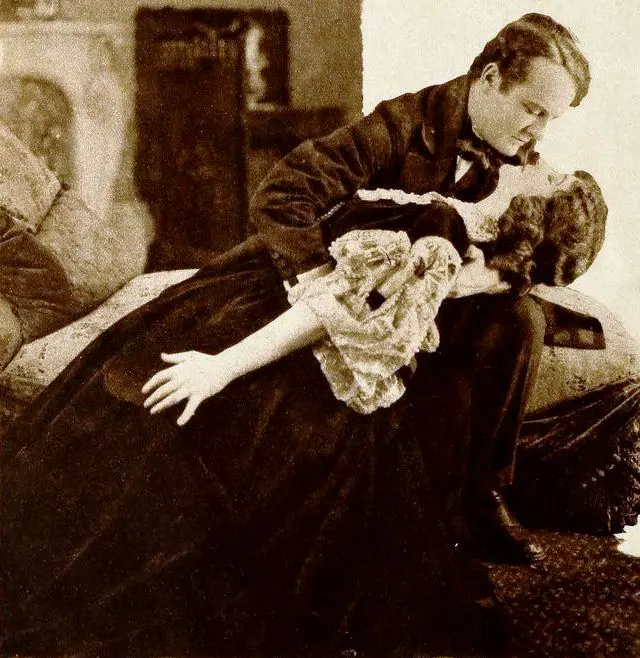
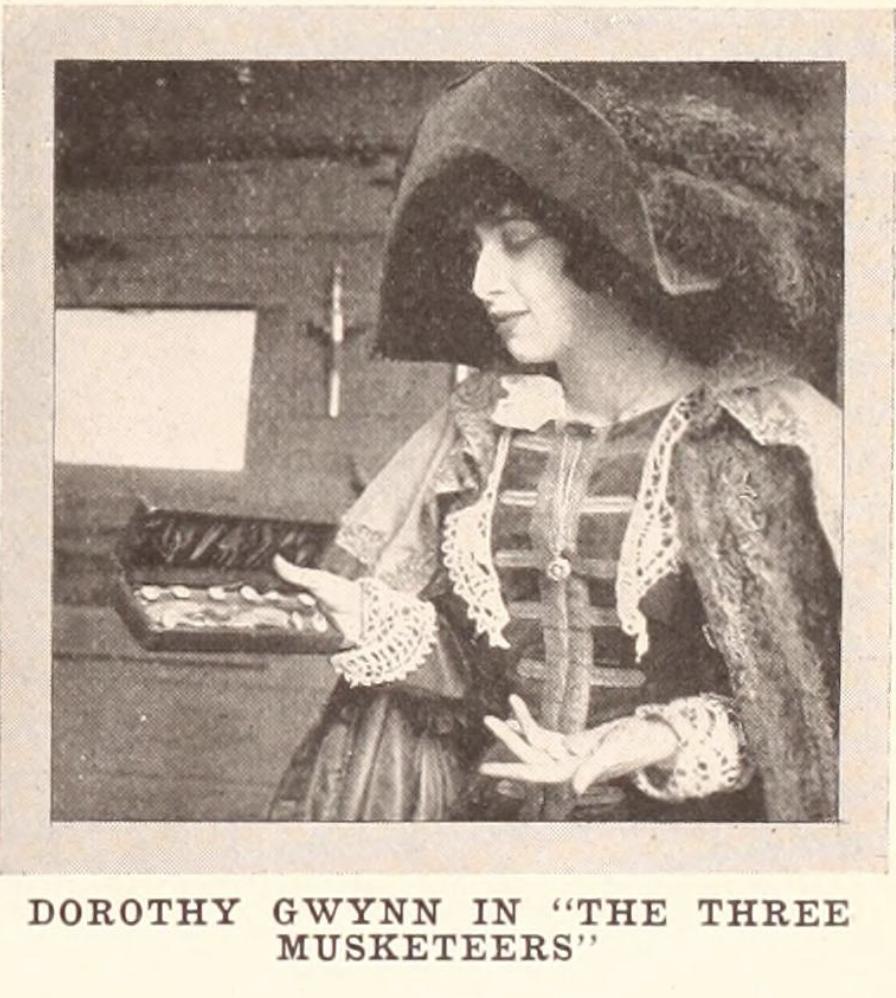
To understand the modern obsession with the 'unwatchable' or the 'extreme,' we have to look at the scars left by the silent era. We aren't talking about the polished, high-adventure escapism of The Three Musketeers (1921). We are talking about the films that lived in the gutters, the ones that stared directly into the eyes of madness, revenge, and the grotesque. These were the true ancestors of the fringe, the works that proved cinema's primary function wasn't just to entertain, but to unnerve.
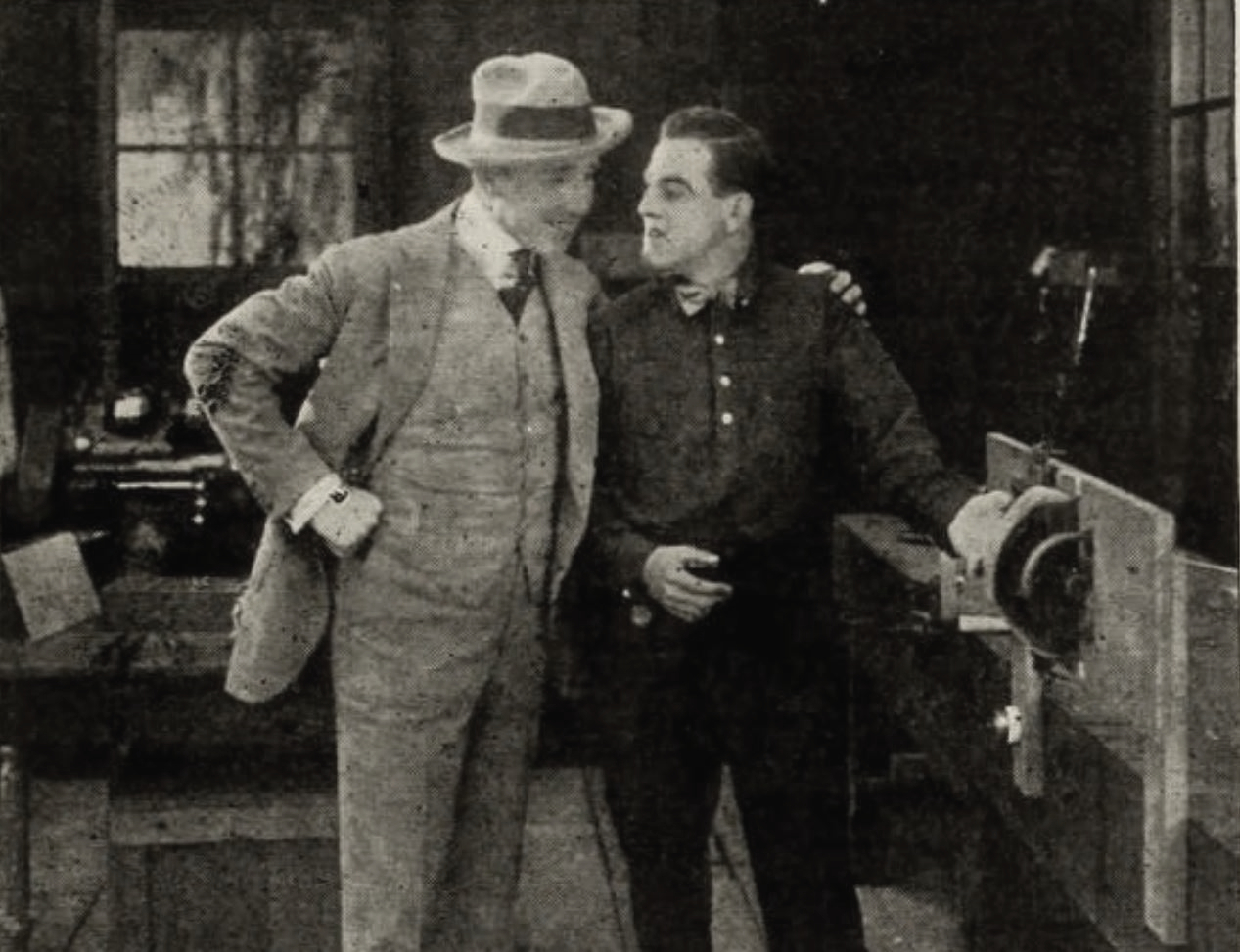
The Meat Grinder of Morality: Behind the Door
If there is a single film that serves as the primordial soup for the 'revenge' subgenre, it is Irvin Willat’s Behind the Door (1919). For years, this film was a ghost story told by film historians—a legendary piece of cruelty that many thought was lost to the ravages of time. When it was finally reconstructed, it proved to be every bit as harrowing as the rumors suggested. It tells the story of Oscar Krug, a German-American naval officer who, during the height of World War I, sees his wife brutalized by a German U-boat commander.
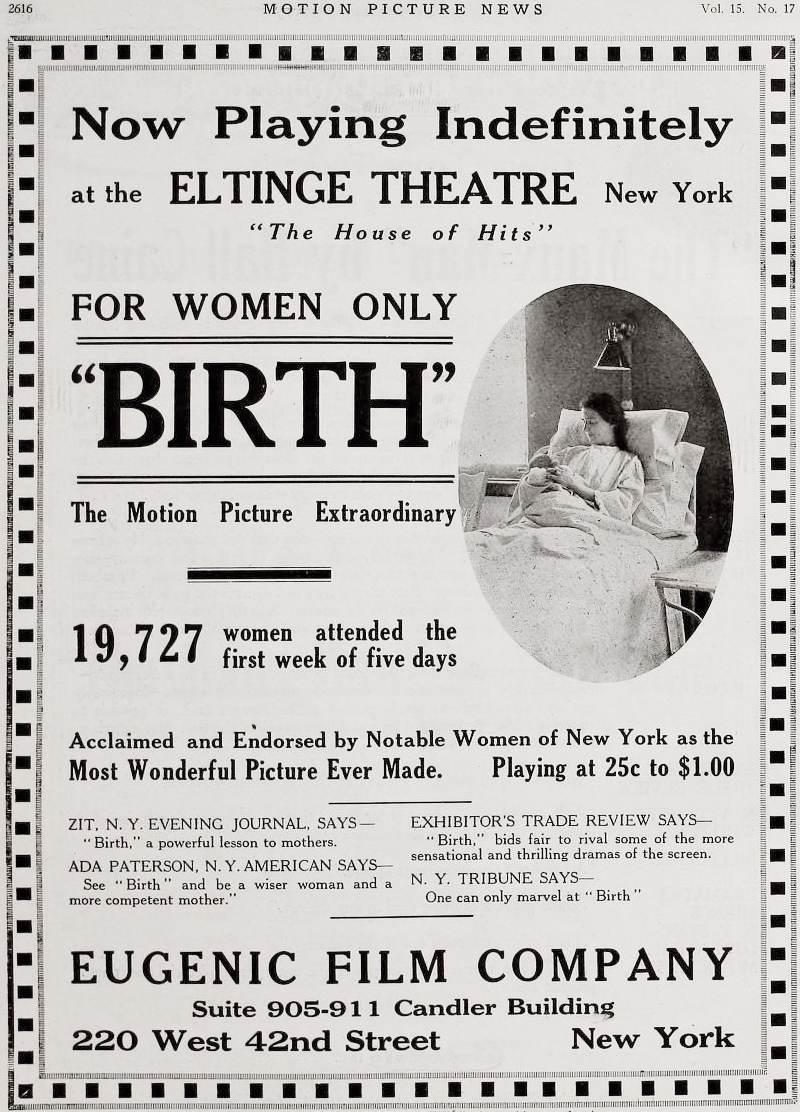
What follows isn't a standard military victory. It is a slow, methodical descent into the kind of visceral horror we now associate with the 'torture porn' era of the early 2000s. Krug captures the commander and, in the confined, claustrophobic darkness of his cabin, enacts a vengeance so hideous—involving skinning a man alive behind a closed door—that it left 1919 audiences reeling. It was a moment where the screen ceased to be a window and became a mirror for the collective trauma of the Great War. This wasn't just a movie; it was a cinematic trauma that bypassed the intellect and struck the central nervous system.
"The true power of early cinema lay not in its ability to show us the world, but in its reckless desire to tear the world apart and show us the viscera beneath."
The Grotesque and the Divine: The Woman Who Gave
While Willat was exploring the limits of physical violence, other filmmakers were diving into the murky waters of the 'grotesque'—a cornerstone of what we now call the cult aesthetic. In The Woman Who Gave (1918), the narrative hinges on the dichotomy between the beautiful and the malformed. We see Colette, a model caught between two artist brothers: the handsome Don and the hunchbacked Adrien Walcott. This isn't a simple love triangle; it’s a study in obsession and the 'otherness' of the physical form.
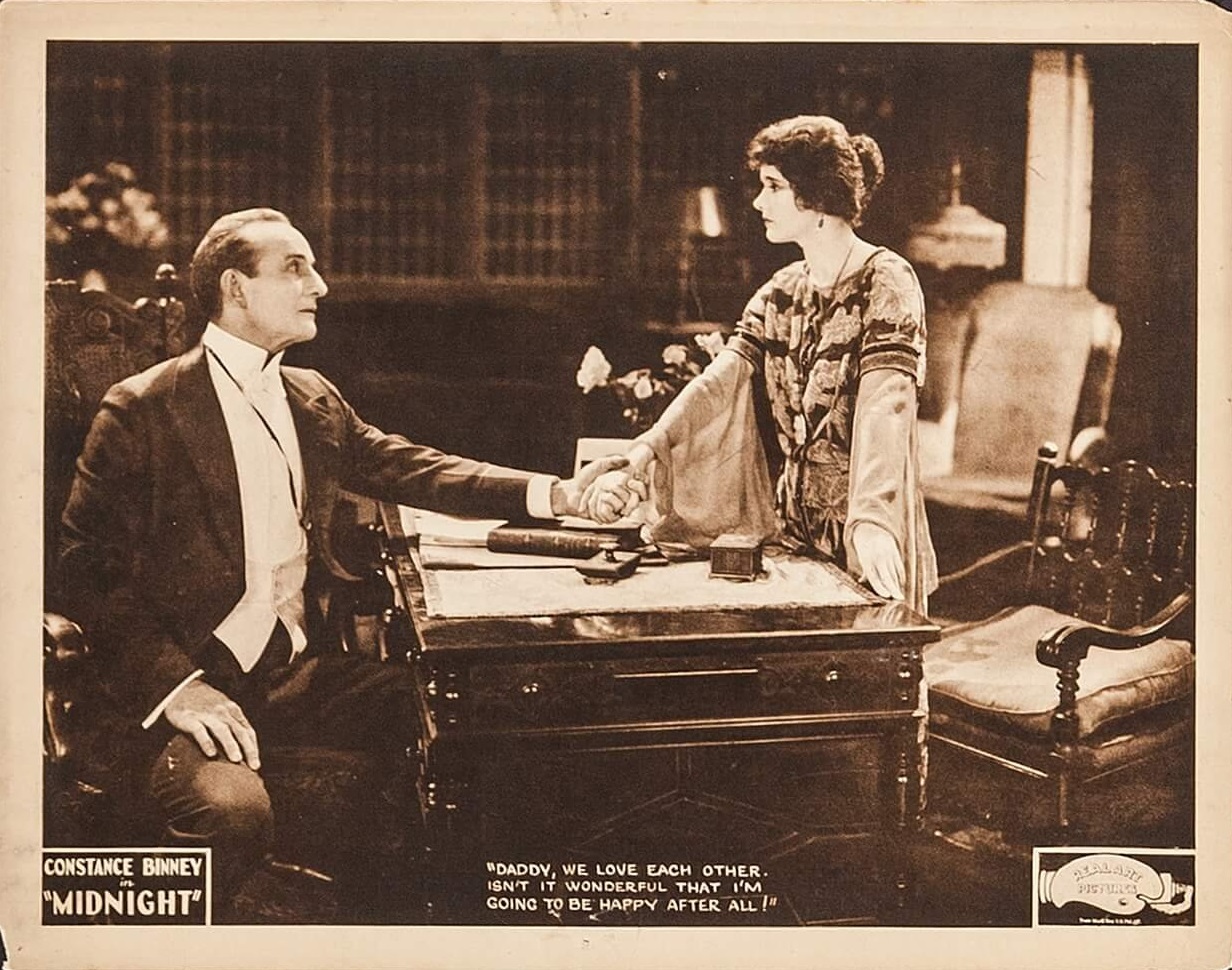
Adrien, the hunchback, creates a portrait so haunting it attracts the attention of the villainous Prince Vacarra. Here, the film touches on something deep within the cult psyche: the idea that brilliance and beauty are often born from deformity and suffering. It’s a theme that would later be championed by filmmakers like Tod Browning. The film’s willingness to linger on the 'unpleasant'—on the prince’s predatory gaze and the hunchback’s tragic isolation—marks it as a precursor to the psychological horror that would eventually dominate the midnight circuit.
The Double and the Damned: Psychological Shadows
Cult cinema has always been obsessed with the 'double'—the idea that we all have a darker self waiting to emerge. This psychological tension is palpable in The Shadow of Rosalie Byrnes (1920). The film utilizes the twin trope—Leontine, the unscrupulous actress, and Leona, the compassionate artist—to explore the fragility of identity and the ease with which one can be consumed by another's sins.
This isn't just a melodrama; it’s an early experiment in the 'bad seed' narrative. By having Leona take on the 'shadow' of her mother’s scandalous past and her sister’s misdeeds, the film creates a sense of existential dread. It suggests that our lives are not our own, but are instead dictated by the ghosts and doubles that haunt our periphery. This sense of being 'haunted' by one's own image is a recurring motif in cult classics like Persona or Mulholland Drive, proving that the silent era was already mapping the labyrinth of the subconscious.
The Stain of the Forbidden
Social taboos were the fuel that powered the early fringe. Take The Hidden Scar (1916), for example. In an era where the 'fallen woman' was a common trope, this film pushed the envelope by focusing on the 'stain' of an illegitimate child and the impossibility of escaping one's history. It’s a bleak, unforgiving look at how society weaponizes morality to destroy the individual. This 'outsider' status—the person who cannot fit into the sterilized norms of the day—is the very heart of why certain films attract a fervent, devotional following. We root for the pariah because the pariah is the only one telling the truth.
The Outlaw Ethos: From Janosik to the Midnight Renegade
Beyond the domestic and the psychological, the early 1920s also gave us the blueprint for the 'cult hero.' In Jánosík (1921), the Slovak legend of the highwayman Juraj Janosik is brought to life. This wasn't just a historical epic; it was a manifesto for the rebel. Janosik is the archetype of the transgressive hero—the man who operates outside the law because the law itself is corrupt.
The film’s raw energy and its celebration of the 'noble bandit' resonate with the same spirit that would later define the anti-heroes of the 1970s. It’s about the power of the fringe to challenge the center. When we watch early masterpieces like this, we aren't just seeing history; we are seeing the first flickers of a cinematic revolution that would eventually move from the town square to the underground basement theaters of the world.
The Enduring Scar
So, why do these century-old reels still matter to the modern cult enthusiast? Because they remind us that the 'edge' of cinema has always been there. Films like Behind the Door or The Woman Who Gave weren't mistakes; they were deliberate attempts to push the medium into uncomfortable, dangerous territory. They were the first to realize that a camera could be a weapon, a scalpel, or a key to a forbidden room.
When we obsess over a new transgressive masterpiece today, we are simply continuing a conversation that began in the nitrate era. We are the descendants of those 1910s audiences who walked out of the theater with their hearts racing and their worldviews shattered. The 'cult' isn't a modern invention; it is a long-standing tradition of seeking out the scars that cinema leaves behind. We don't watch these films to be comforted. We watch them because, like the characters in The Hidden Scar, we know that the most interesting stories are the ones that are never supposed to be told.
- The 1910s were a laboratory for psychological and physical transgression.
- Irvin Willat's Behind the Door (1919) remains one of the most brutal revenge films ever made.
- Early cinema's obsession with the 'grotesque' paved the way for horror's most enduring tropes.
- The concept of the 'cinematic double' was perfected long before the advent of sound.
- Cult cinema's heart has always belonged to the pariah, the outlaw, and the 'hidden' truth.
As we move further into the digital age, the visceral power of silent era transgression only grows. These films, once considered 'lost' or 'obsolete,' are now being rediscovered by a new generation of viewers who crave the raw, unpolished intensity of a medium still figuring out its own power. The celluloid scourge isn't a relic of the past; it's a living, breathing part of our cinematic present.
Community
Comments
Log in to comment.
Loading comments…