
DbcultAccessing Vault...
Director's Spotlight
Senior Film Conservator
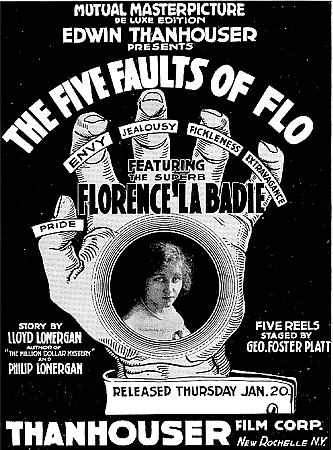
Director's Spotlight: United States
A Deep Dive into the 1916 Vision of George Foster Platt
The brilliance of The Five Faults of Flo (1916) is inseparable from the visionary mind of its creator, George Foster Platt. Serving as a mirror to the anxieties of a changing world, it persists as a haunting reminder of our own cinematic history.
In The Five Faults of Flo, George Foster Platt pushes the boundaries of conventional narrative. The film's unique approach to its subject matter has sparked endless debates and interpretations among cinephiles and critics alike.
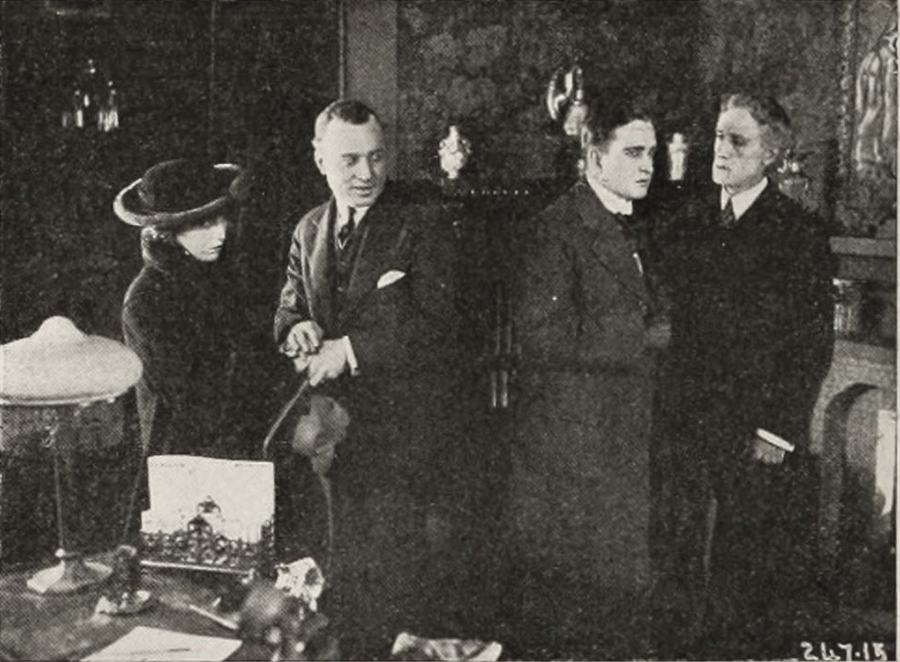
The visual language of The Five Faults of Flo is defined by its use of shadows and framing, a hallmark of George Foster Platt's style. By utilizing a 1916-era palette, the film creates an immersive experience that perfectly complements its cult themes.
| Cinematography | Static |
| Soundtrack | Synth-Heavy |
| Editing | Disjunctive |
| Art Direction | Baroque |
Visualizing the convergence of George Foster Platt's style and the core cult narrative.
From girlhood through marriage, Flo outgrows five major faults: pride, envy, fickleness, extravagance, and jealousy. First, she gets rid of her excessive pride when the butcher's daughter almost dies after Flo rejects her from an exclusive school club. Then, Flo covets a friend's diamond, but when the jewel is stolen and Flo is falsely accused, her envy vanishes, even though she is cleared of the charge. After her engagement, a brief flirtation almost leads to a fatal car accident that cures Flo of fickleness. Then, when Flo's extravagance comes close to ruining her father, she comes to understand that she must be careful with money. Finally, when Flo realizes that she has mistaken her husband's kindness for an affair with another woman, she loses her jealous streak, and a now-faultless Flo can settle down to a happy married life.
Decades after its release, The Five Faults of Flo remains a vital piece of the cinematic puzzle. Its influence can be seen in countless modern works, solidifying George Foster Platt's status as a master of the craft in United States and beyond.