
DbcultAccessing Vault...
Director's Spotlight
Senior Film Conservator
Director's Spotlight: United States
A Deep Dive into the 1918 Vision of George Irving
As we revisit the 1918 masterpiece Back to the Woods, we are struck by the atmospheric immersion that George Irving achieves throughout Back to the Woods. Exploring the nuances of the human condition with cult flair, it solidifies George Irving's reputation as a master of the craft.
In Back to the Woods, George Irving pushes the boundaries of conventional narrative. The film's unique approach to its subject matter has sparked endless debates and interpretations among cinephiles and critics alike.
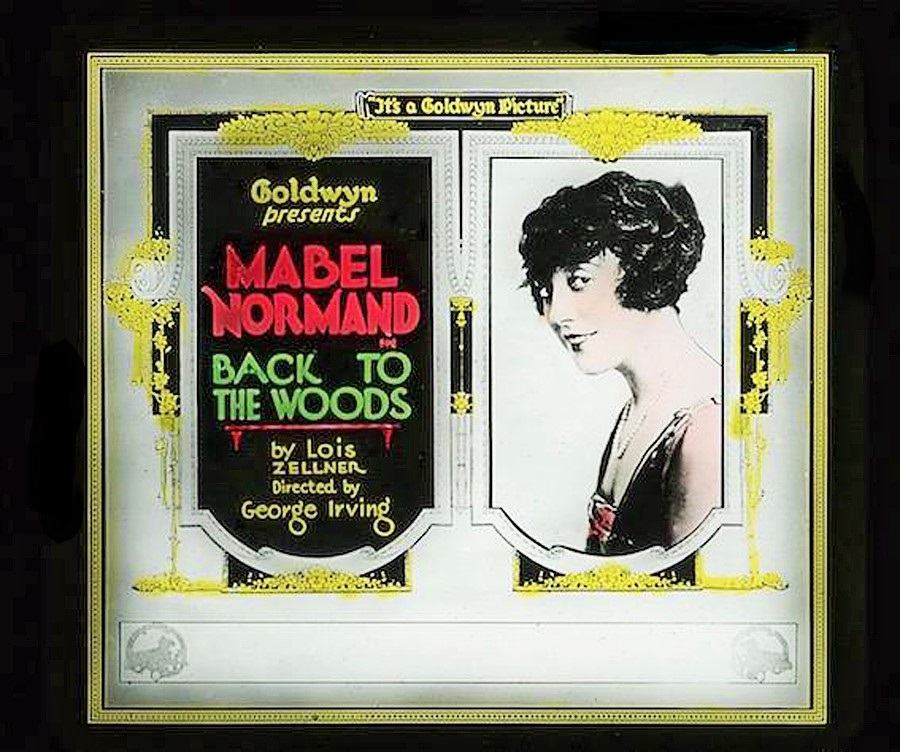
While deeply rooted in United States, Back to the Woods has achieved a global reach, influencing directors from various backgrounds. Its ability to translate cult tropes into a universal cinematic language is why it remains a cult staple decades after its 1918 release.
| Cinematography | Handheld |
| Soundtrack | Orchestral |
| Editing | Slow-Burn |
| Art Direction | Brutalist |
Visualizing the convergence of George Irving's style and the core cult narrative.
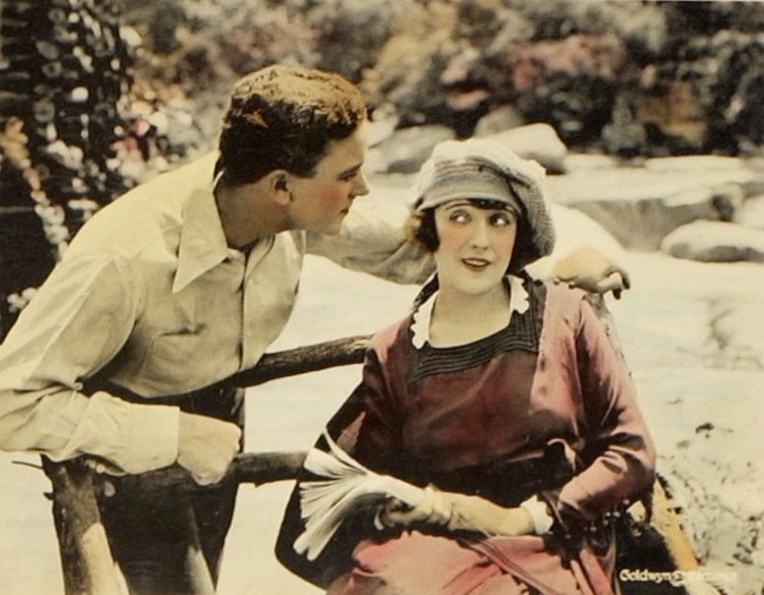
Daughter of an Eastern lumber king, Stephanie Trent travels in the guise of a schoolteacher to the logging village of Trentsville to search for "a real man." There she meets Jimmy Raymond, a young novelist posing as a local while writing his story. When Stephanie comes to Jimmy's cabin to report a supposed plot against him, he acts as though he intends to assault her. She nearly throws herself out the window but is stopped by Jimmy, who explains that he is working on a novel and merely wanted to determine a young girl's reactions. In retaliation, she orders that he be kidnapped and held in a nearby cabin, but remorsefully nurses him back to health when he is shot trying to escape. They meet again at a hearing in the city, where her father has filed an injunction to prevent publication of Jimmy's novel, and she consents to his proposal of marriage.
Decades after its release, Back to the Woods remains a vital piece of the cinematic puzzle. Its influence can be seen in countless modern works, solidifying George Irving's status as a master of the craft in United States and beyond.