
DbcultAccessing Vault...
Director's Spotlight
Senior Film Conservator
Director's Spotlight: United States
A Deep Dive into the 1914 Vision of George Irving
Analyzing Dan (1914) requires a deep dive into the unique directorial voice that George Irving brought to the screen. By challenging the status quo of 1914 cinema, it continues to spark endless debates among critics and cinephiles alike.
In Dan, George Irving pushes the boundaries of conventional narrative. The film's unique approach to its subject matter has sparked endless debates and interpretations among cinephiles and critics alike.
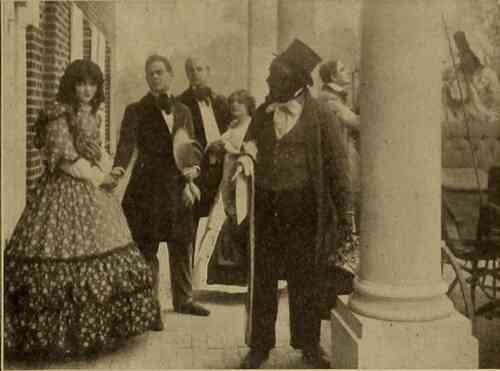
The visual language of Dan is defined by its use of shadows and framing, a hallmark of George Irving's style. By utilizing a 1914-era palette, the film creates an immersive experience that perfectly complements its cult themes.
| Cinematography | Handheld |
| Soundtrack | Experimental |
| Editing | Elliptical |
| Art Direction | Expressionist |
Visualizing the convergence of George Irving's style and the core cult narrative.
Loyal slave of the aristocratic Dabney family, Dan is overjoyed when Raoul becomes engaged to Northerner Elsie Hammond and his sister Grace becomes engaged to Elsie's brother John. When the Civil War breaks out, the heartbroken Hammonds return North and John joins the Union army. Raoul joins the Confederacy, but his vindictive overseer, Jonas Watts, becomes a Union officer. Watts takes Grace prisoner, but before he can act on his desires, John rescues her. He then encounters Raoul and is obliged to arrest him, but Dan comes to his aid by throwing red peppers into his captors' eyes. When John is arrested by Confederates, Raoul frees him for Grace's sake, but when his superiors discover his treason, he is sentenced to death. Stonewall Jackson, a family friend, tries to obtain a stay of execution for Raoul, but in the meantime, Dan visits him and convinces his master to blacken his face and take the slave's place. He does, and Dan is executed. After the war, Raoul and Elsie, and John and Grace marry and settle on the Dabney estate.
Decades after its release, Dan remains a vital piece of the cinematic puzzle. Its influence can be seen in countless modern works, solidifying George Irving's status as a master of the craft in United States and beyond.