
DbcultAccessing Vault...
Director's Spotlight
Senior Film Conservator
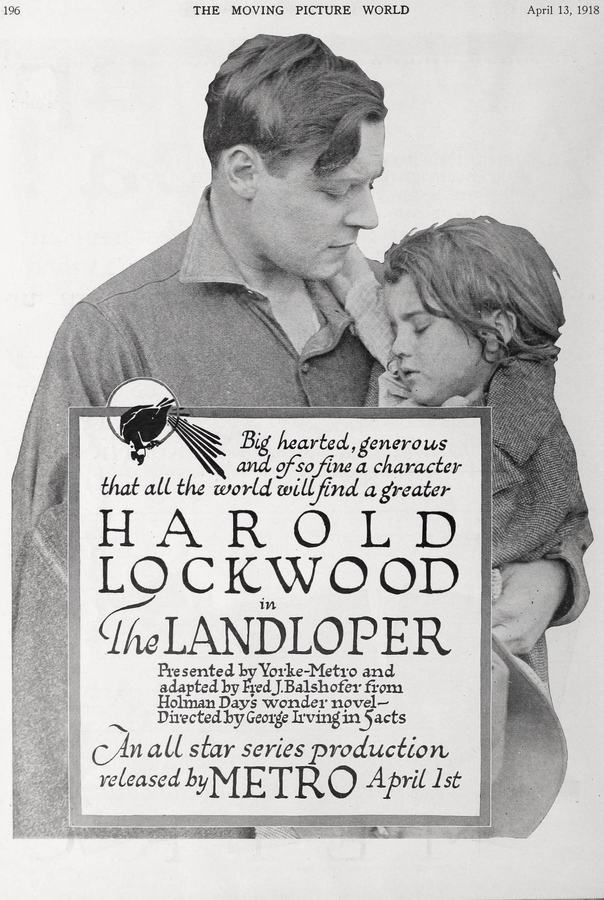
Director's Spotlight: United States
A Deep Dive into the 1918 Vision of George Irving
When we examine the cinematic landscape of United States, The Landloper emerges as a landmark work of the enduring legacy of George Irving's artistic contribution to the genre. Through a lens of existential fatalism and cult tropes, it captures a specific kind of cinematic magic that is rarely replicated.
In The Landloper, George Irving pushes the boundaries of conventional narrative. The film's unique approach to its subject matter has sparked endless debates and interpretations among cinephiles and critics alike.
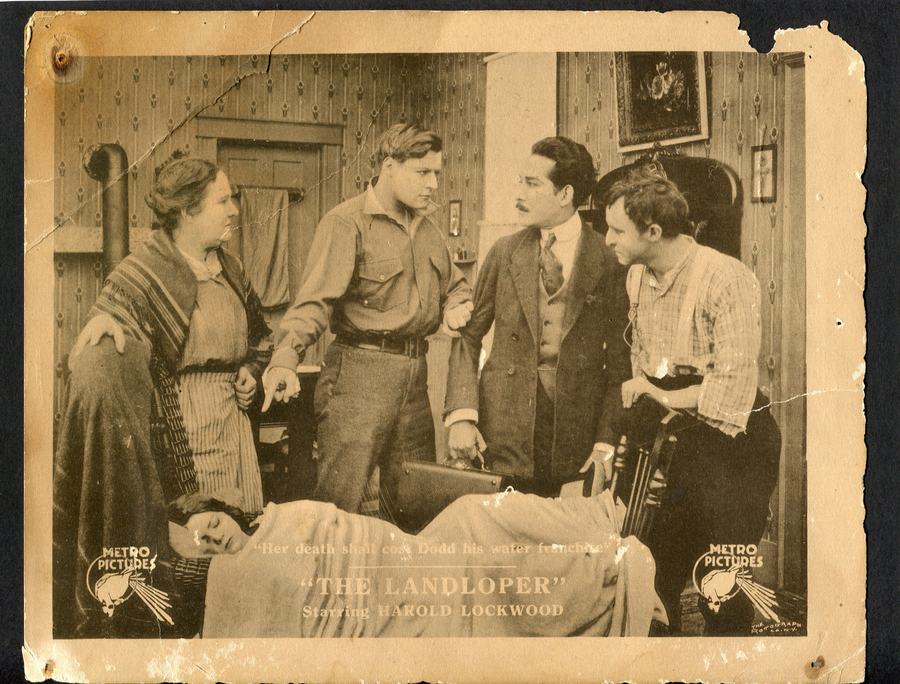
The visual language of The Landloper is defined by its use of shadows and framing, a hallmark of George Irving's style. By utilizing a 1918-era palette, the film creates an immersive experience that perfectly complements its cult themes.
| Cinematography | Deep Focus |
| Soundtrack | Diegetic |
| Editing | Rhythmic |
| Art Direction | Naturalist |
Visualizing the convergence of George Irving's style and the core cult narrative.
At a lavish luncheon in Palm Beach, Walker Farr, a wealthy and idle young man, bets that he can live in perfect contentment as a penniless hobo and sets out to prove it. On the road, Walker meets Kate Kilgour and her fiancé, Richard Dodd, but upon his arrival in the town of Marion he learns that she is being forced into the marriage by her mother, who owes Richard $5,000. Walker helps a deformed but cheerful river man named Etienne Pickerone to retrieve the body of a woman who has drowned herself, and after reading the note found on her clothing, he goes directly to her house and adopts her little girl Rose-Marie. For a time, Walker works as an ice wagon driver to support the child, but a typhoid epidemic caused by contaminated drinking water strikes the town, and Rose-Marie dies. Having learned that Col. Simon Dodd, Richard's uncle and a corrupt local official, is responsible for the epidemic, Walker leads an election campaign that results in Dodd's defeat. After Kate settles her debt with Richard, which leaves her free to marry Walker, the "hobo" discloses his real identity, and all ends happily.
Decades after its release, The Landloper remains a vital piece of the cinematic puzzle. Its influence can be seen in countless modern works, solidifying George Irving's status as a master of the craft in United States and beyond.