
DbcultAccessing Vault...
Director's Spotlight
Senior Film Conservator
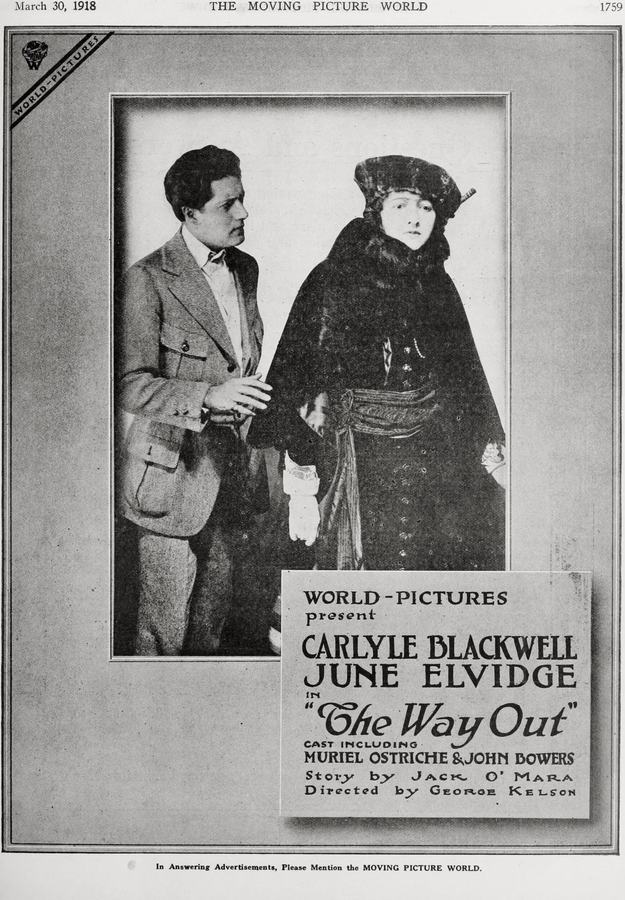
Director's Spotlight: United States
A Deep Dive into the 1918 Vision of George Kelson
When we examine the cinematic landscape of United States, The Way Out emerges as a landmark work of the unique directorial voice that George Kelson brought to the screen. This film stands as a masterclass in visual storytelling, it demands to be seen by anyone who cares about the art of film.
In The Way Out, George Kelson pushes the boundaries of conventional narrative. The film's unique approach to its subject matter has sparked endless debates and interpretations among cinephiles and critics alike.
While deeply rooted in United States, The Way Out has achieved a global reach, influencing directors from various backgrounds. Its ability to translate cult tropes into a universal cinematic language is why it remains a cult staple decades after its 1918 release.
| Cinematography | Handheld |
| Soundtrack | Experimental |
| Editing | Elliptical |
| Art Direction | Expressionist |
Visualizing the convergence of George Kelson's style and the core cult narrative.
Successful journalist Robert Barr, becomes engaged to Alice Thornton, but the woman's socially ambitious mother wishes her daughter to marry nobility and, to that end, secretly plots to ruin the romance. Learning that her husband fathered an illegitimate daughter, Mrs. Thornton asks Robert to assist the young woman, named Marcelle Pinet, in finding employment, and when Alice discovers the two together one evening, she suspects that Robert is unfaithful and breaks their engagement. Traveling in Europe with her mother, Alice meets and later marries Count Louis de Jouiville, but their happiness is threatened when Louis discovers his wife reading Robert's old love letters. On a World War I battlefield, Robert encounters the dying count and explains Mrs. Thornton's duplicity, and, following Louis' death, Robert and Alice finally marry.
Decades after its release, The Way Out remains a vital piece of the cinematic puzzle. Its influence can be seen in countless modern works, solidifying George Kelson's status as a master of the craft in United States and beyond.