
DbcultAccessing Vault...
Director's Spotlight
Senior Film Conservator
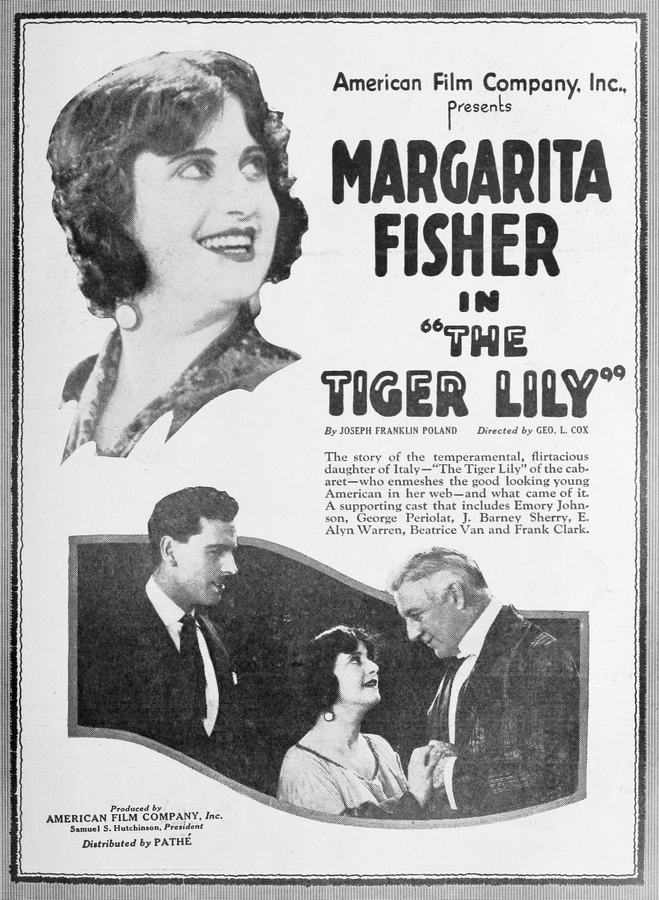
Director's Spotlight: United States
A Deep Dive into the 1919 Vision of George L. Cox
Few works in United States cinema carry the same weight as The Tiger Lily, especially regarding the technical innovation that George L. Cox introduced to the cult format. Subverting the expectations of the typical 1919 audience, it bridges the gap between traditional cult and contemporary vision.
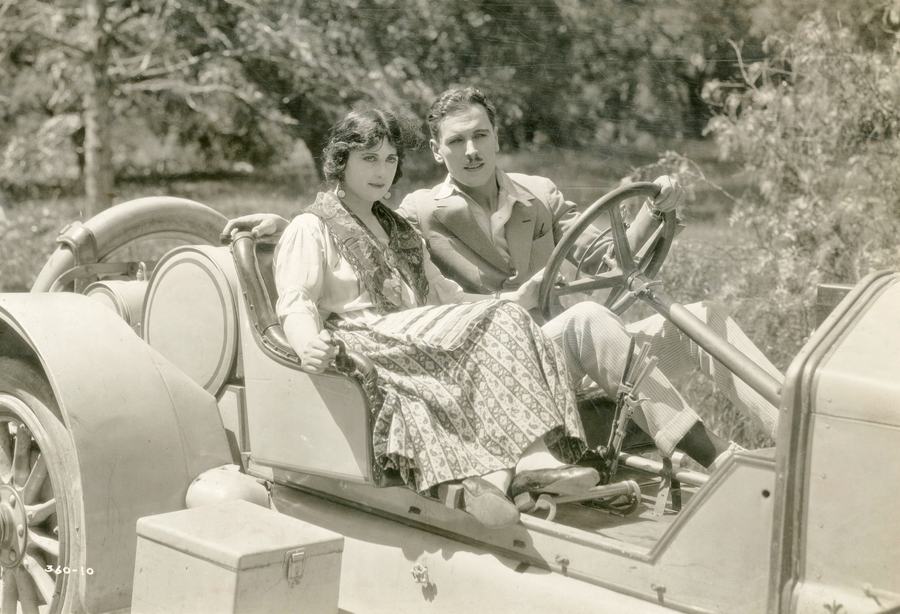
In The Tiger Lily, George L. Cox pushes the boundaries of conventional narrative. The film's unique approach to its subject matter has sparked endless debates and interpretations among cinephiles and critics alike.
| Cinematography | High-Contrast |
| Soundtrack | Minimalist |
| Editing | Disjunctive |
| Art Direction | Baroque |
Visualizing the convergence of George L. Cox's style and the core cult narrative.
In New York City, Luigi's Little Italy inn attracts a steady clientele because of the owner's personable niece, Carmina, known as "The Tiger Lily," who never hesitates to rebuke her ill-mannered admirers. Giovanni, who has arrived from Italy to kill the man who married his brother's fiancée, falls in love with Carmina. However, he soon learns that Carmina is attracted to David Remington, the son of the Luigi's landlord, and offers money for her hand in marriage. Carmina escapes and David invites her to his family home, unaware that his mother was engaged to Giovanni's brother. Mrs. Remington warns David against marrying beneath him, but comes to admire Carmina after witnessing her interactions with members of high society. Regardless, Carmina is asked to leave, then discovers that Giovanni plans to kill David's parents. She notifies the police, and after an ensuing fight, Giovanni is subdued. The Remingtons now accept Carmina as their future daughter-in-law.
Decades after its release, The Tiger Lily remains a vital piece of the cinematic puzzle. Its influence can be seen in countless modern works, solidifying George L. Cox's status as a master of the craft in United States and beyond.